

Shake or Stir? How to Choose the Right Cocktail Technique
Compare shaking, stirring and building through the Negroni, Daiquiri and long drinks, focusing on clarity, texture and carbonation.
MIXY · Editorial
Technique is more than presentation
Shaking and stirring can combine the same ingredients with different textures, aeration and appearance. The choice depends on the drink’s intended structure rather than the maker’s habit. Identify whether the goal is clarity, foam, citrus integration or carbonation.
If a recipe specifies a method, start with it. A theatrical alternative used before understanding the result makes comparison harder. Technique is a variable to standardise just as carefully as ingredient quantities.
When to stir
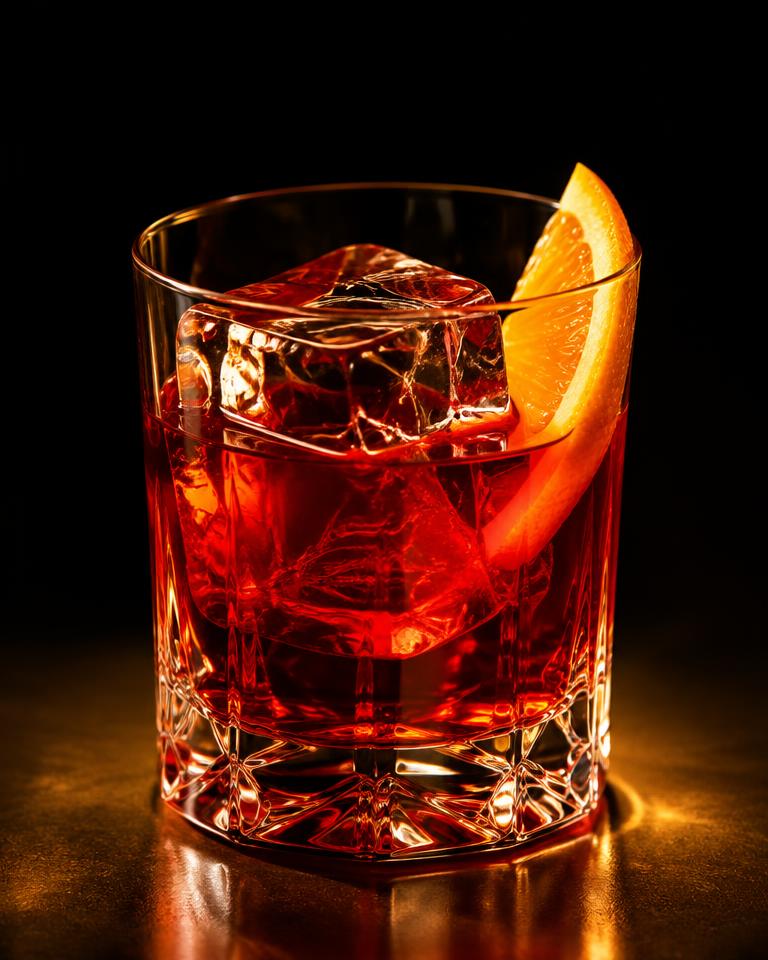
Clear, spirit-forward recipes are generally stirred. Calm spoon movement around the ice limits air while chilling and water contribution still occur. In examples such as the Negroni and Manhattan, the goal is integration without pronounced aeration.
Use a vessel and ice quantity suited to the recipe. Do not judge stirring only by the clock; starting temperature and ice conditions also matter. Serve with the specified glass and ice.
From knowledge to practice
Go deeper with a guide
A practical technique comparison
Read the intended texture rather than choosing a method automatically from an ingredient name. Many citrus recipes are shaken, but exceptions exist; clarity alone does not determine preparation. Nor must every component of a carbonated drink be built: the non-carbonated part may be shaken first and the mixer added at service.
Do not impose one shaking or stirring time on every drink. Ice quantity, surface area, starting temperature, vessel volume and movement change the outcome. A time specified by a recipe is a starting point for those conditions; assess chilling, texture and serving consistency together.
| Method | Intended result | Example / caution |
|---|---|---|
| Stir | Integrated texture with limited aeration | Negroni; chilling and dilution still occur |
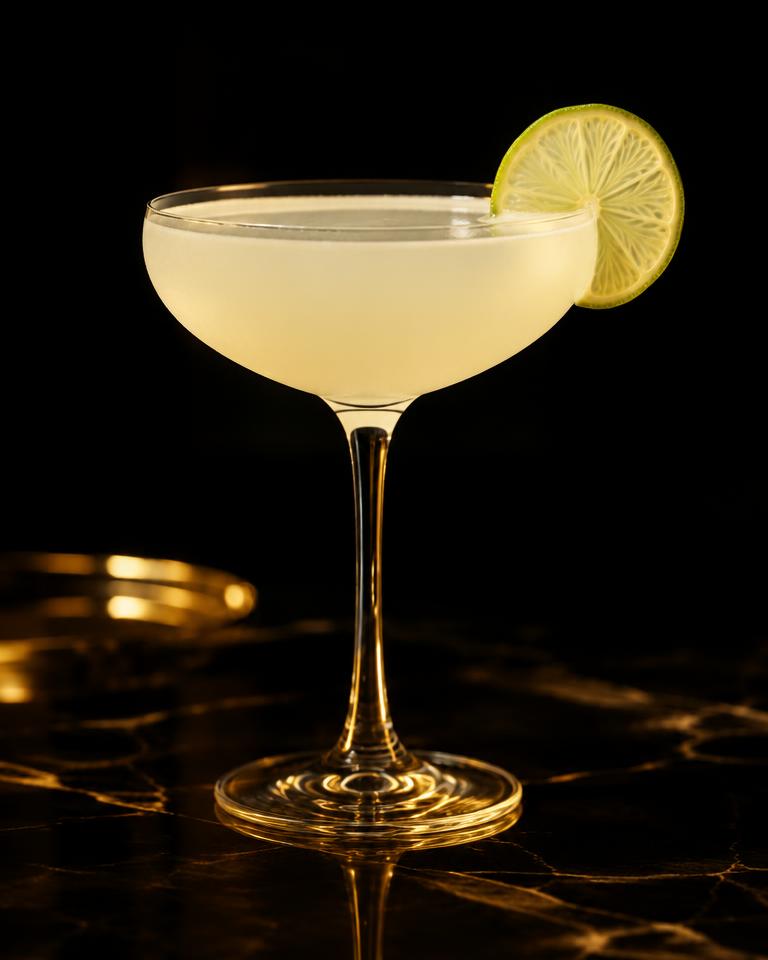
| Shake | Integration of citrus and sweetener | Daiquiri; avoid overfilling the shaker |
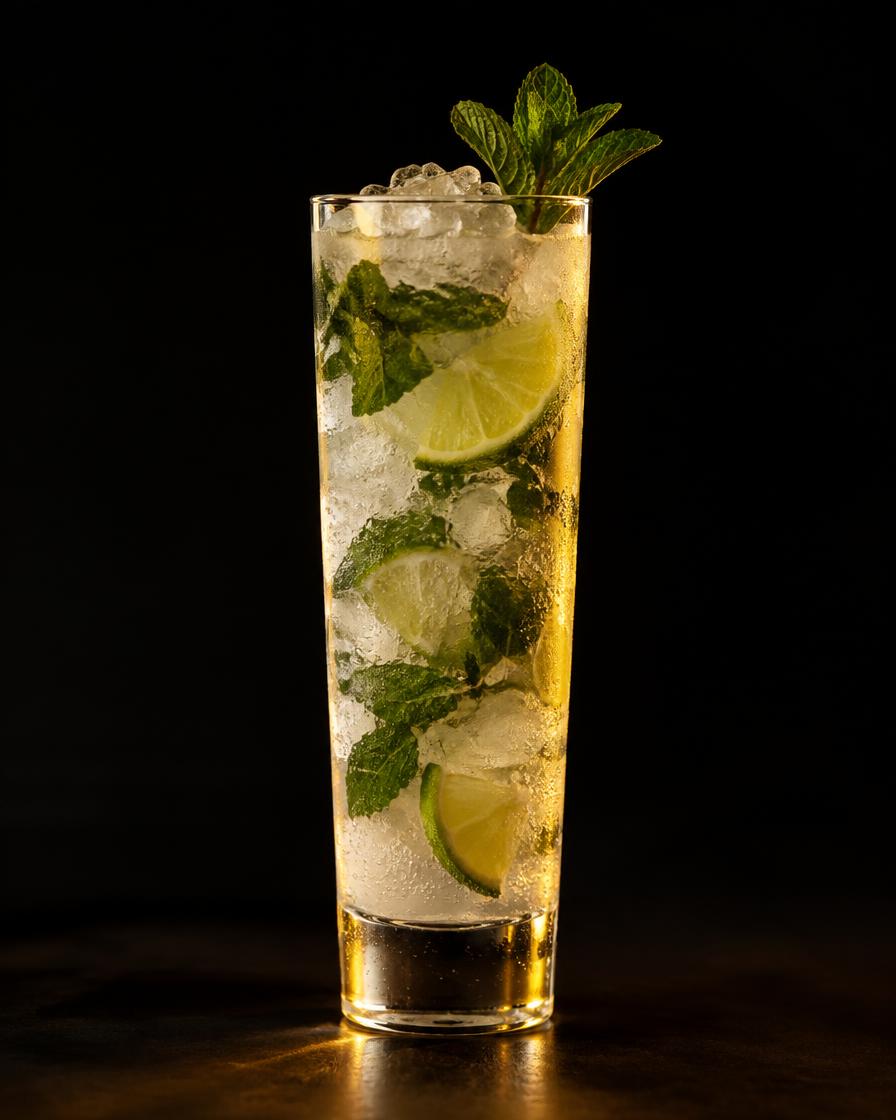
| Build | Direct service that preserves carbonation | Gin & Tonic; brief, gentle integration |
| Dry shake | Foam appropriate to the recipe | Only when specified; check allergens |
When to shake
Citrus, dense syrup and some textured ingredients generally benefit from shaking. In a Daiquiri, this integrates rum, lime and sweetener while also chilling and diluting. Avoid overfilling, check the seal and use controlled movement.
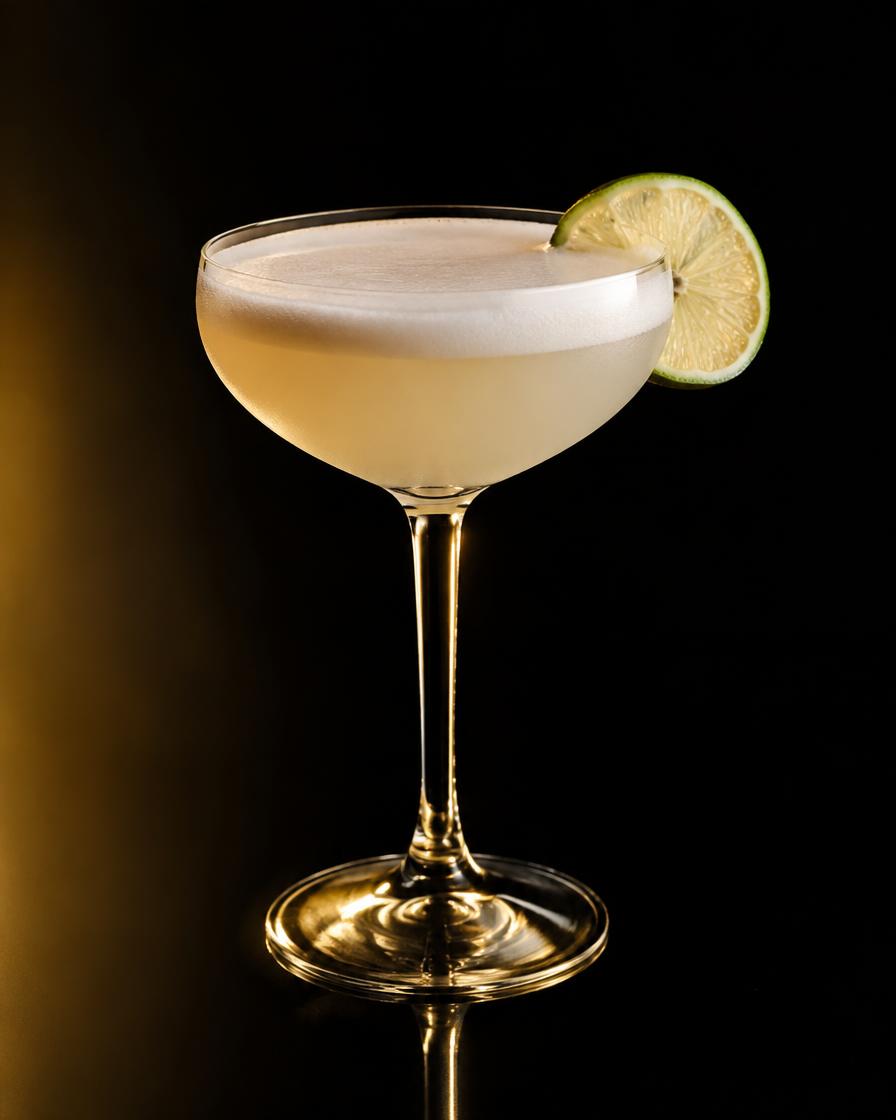
A recipe requiring foam may also specify a dry shake. Egg-containing recipes require safe product selection and allergen checks; consider suitable pasteurised products or a recipe-compatible alternative. A technique name does not replace food-safety requirements.
Recipe selection
Put the method into practice
Why carbonated drinks are often built
Building assembles a drink in its serving glass. Ice and measured ingredients are followed by the carbonated mixer, generally added last. Brief, gentle movement helps integration; overmixing can reduce carbonation. In highballs the objective is a balanced lively serve, not foam.
Never shake carbonated ingredients in a sealed shaker. If a recipe combines shaking with a carbonated mixer, prepare the non-carbonated components first and add the mixer at the specified serving stage. Do not infer capacity from a glass name alone; leave appropriate room for the serving.
Straining and serving are part of the method
The primary strainer retains ice and larger particles. A fine sieve may follow for small shards or pulp but is not mandatory for every cocktail. Unnecessary delays can affect foam and serving temperature.
When trying a technique, keep quantities and ice conditions consistent. Treat recipe, method, glass and garnish as one service specification. The links below connect deeper technical explanations with recipes using these methods.
Explore further
Explore cocktails
Shaken cocktails
From the Daiquiri to the sour family: recipes prepared by shaking.