
Mixology & Technique
Ice & Dilution
How ice size, temperature and time shape the final drink.
01
Cold and water arrive together
Ice absorbs heat and melts. That dilution is usually necessary: it lowers alcoholic heat, opens aroma and integrates sugar and acid.
02
Control the variables
Use plentiful cold ice, work with a consistent technique and taste the result. Large clear cubes slow service dilution; crushed ice chills quickly and continues changing a drink.
03
Cubes, large blocks and crushed ice
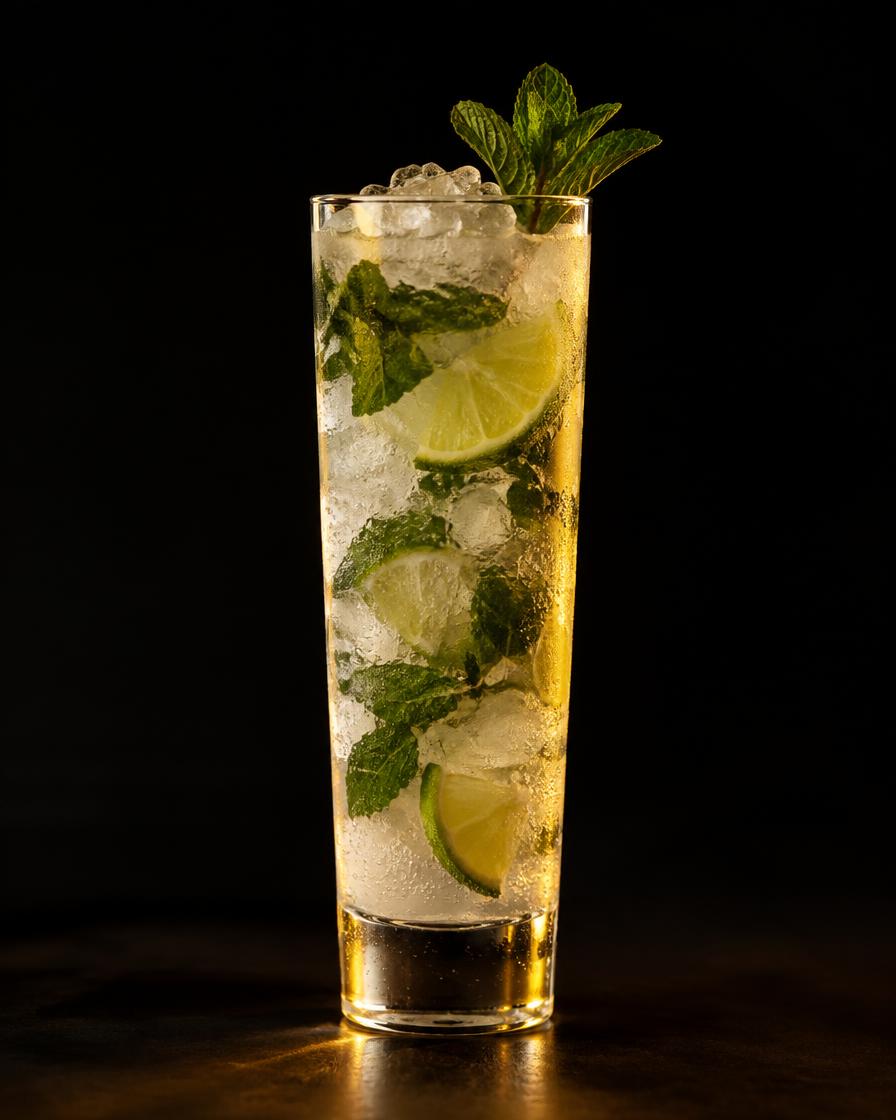
Regular cubes provide consistency in shaking and stirring. Large blocks suit short drinks that should evolve slowly; crushed ice suits juleps, swizzles and tropical recipes. Melting depends on more than size: quantity, surface area, starting temperature and movement interact. Clarity alone guarantees neither quality nor hygiene.
04
Including dilution in the formula
Compare volumes before and after mixing under controlled conditions to track water addition; not all meltwater necessarily reaches the glass. Do not impose one dilution percentage on every recipe. Water is measured separately for a pre-chilled batch, while later service-ice dilution is also considered. The aim is reduced alcohol heat without losing aroma.
05
Ice hygiene
Ice is a food ingredient requiring potable water, clean equipment and protected storage. Ice used to chill bottles must not go into cocktails. Do not bury the scoop handle in ice or collect ice with bare hands or glasses. Discard ice with absorbed odors, contamination or possible glass fragments.
06
Ice geometry and measurable dilution
At equal total mass, small pieces provide more contact surface than a large block. Melting also depends on starting temperature, surface water, drink temperature and movement. Clear ice can look attractive, but clarity alone proves neither microbiological safety nor slower melting. Use food-safe water and a clean dedicated scoop stored separately.
Weighing before mixing and after straining helps compare water contribution under consistent conditions. Residue in tools and straining losses prevent laboratory-level precision. Taste immediately and again after several minutes: a crushed-ice julep and a large-cube Old Fashioned evolve differently. Adding sugar to conceal a dilution problem often disrupts another balance axis. Correct ice quantity, mixing time and starting temperature before changing the sweetener.
Related cocktails
Related cocktails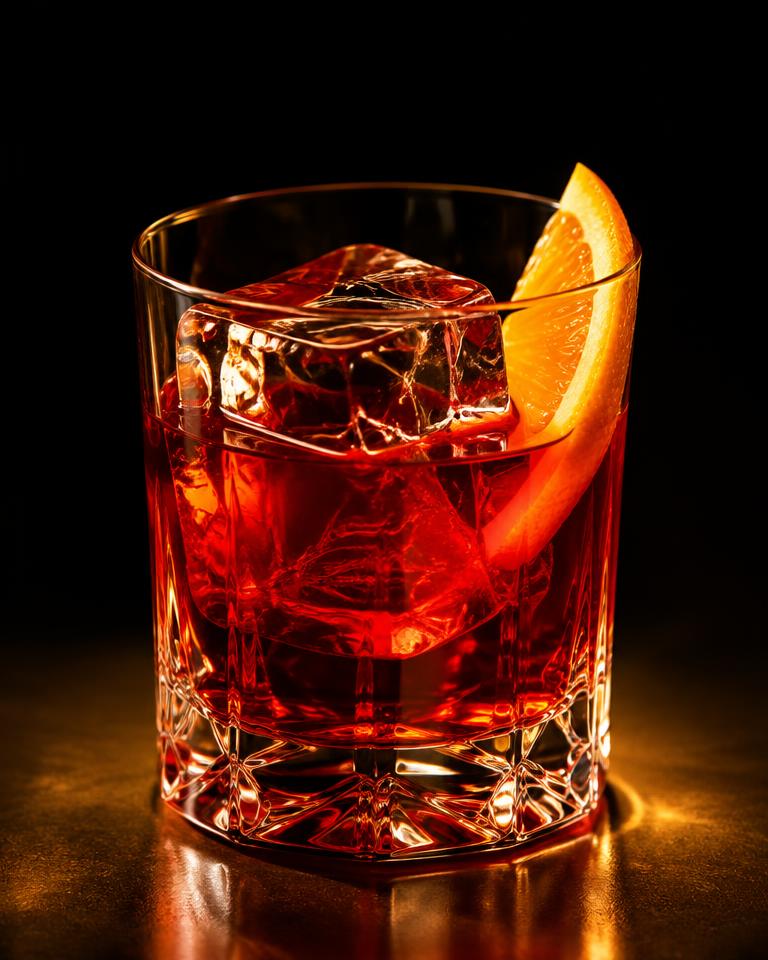 Gin
Negroni
Equal parts gin, Campari and sweet vermouth — bittersweet and assertive.
 Whiskey
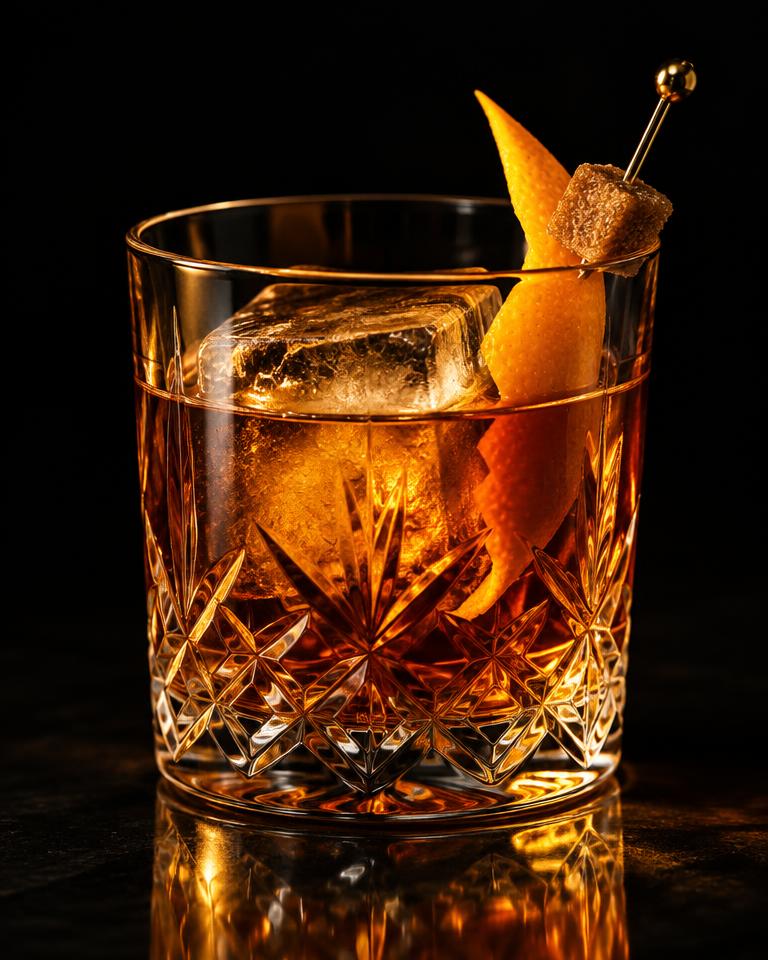
Old Fashioned
Whiskey, sugar, bitters and water — the original definition of a cocktail.
 Rum
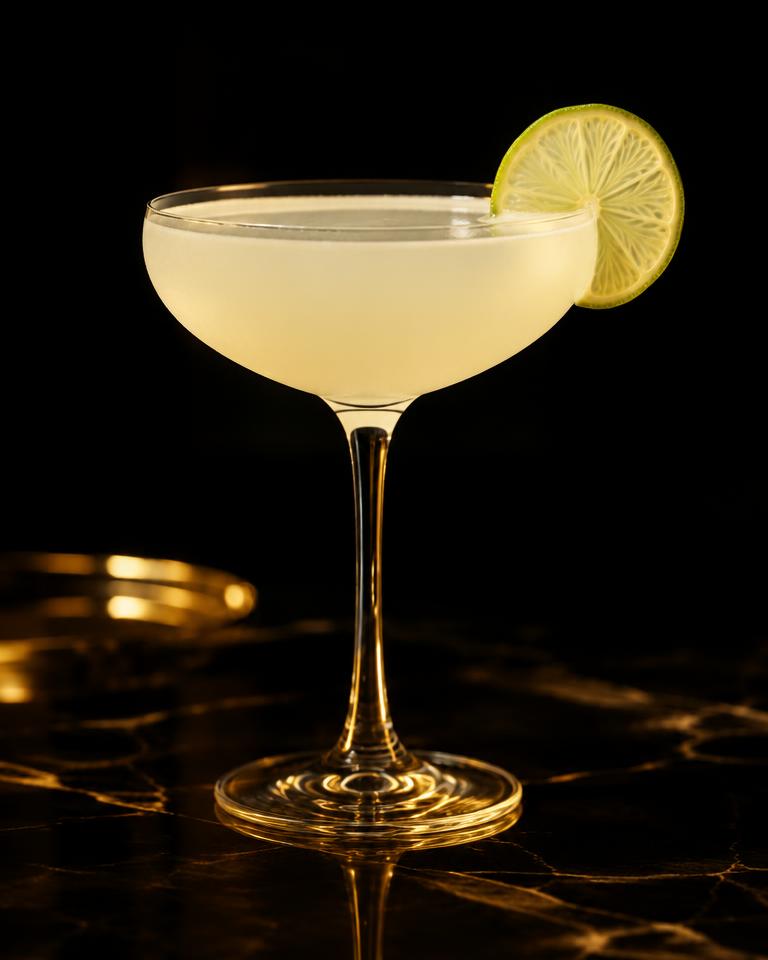
Daiquiri
White rum, lime and sugar — a bartender's benchmark of balance.
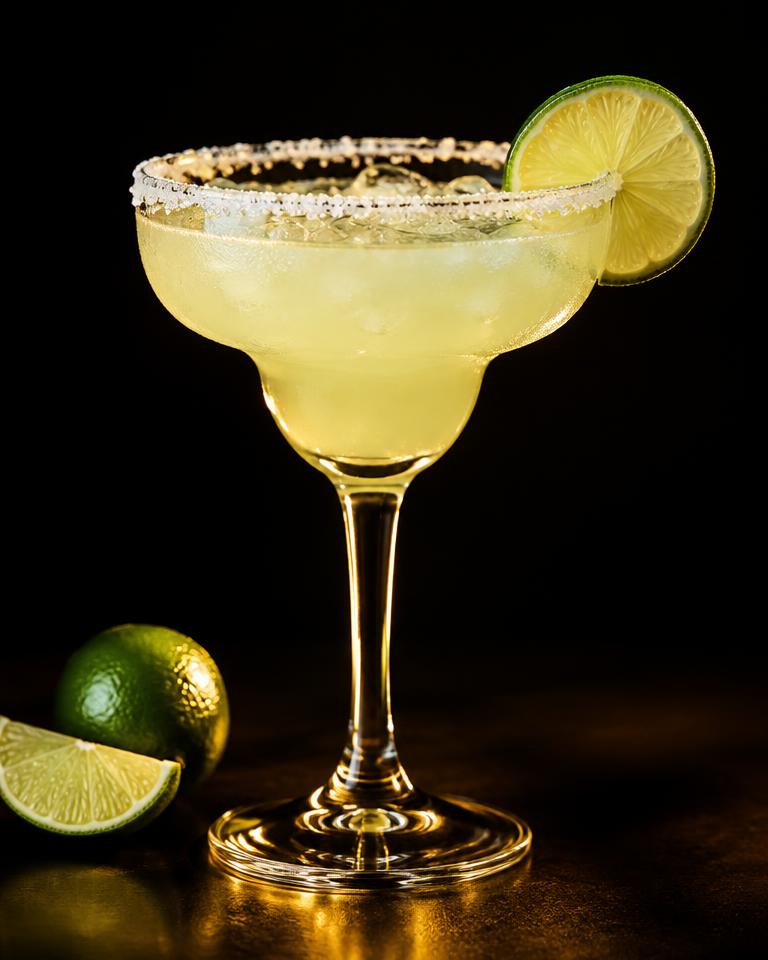 Tequila
Margarita
Tequila, orange liqueur and lime with a salted rim.