
Mixology & Technique
Core Mixing Techniques
When to shake, stir, build, muddle and double strain.
01
Choose by ingredients
Spirit-only drinks are usually stirred for clarity and a silky texture. Citrus, dairy, egg or dense syrups generally benefit from shaking. Built drinks prioritize speed and controlled carbonation.
- Stir for clarity
- Shake for integration
- Build for length
- Muddle with restraint
- Fine strain when texture demands it
02
Technique is measurable
Time, ice, starting temperature and movement determine the result. Repeat a method before changing the recipe; inconsistency can look like an ingredient problem.
03
Shaking and dry shaking
Add measured ingredients and sufficient ice, seal and shake with control, then strain as specified. Time is not the only measure: ice and ingredient temperature matter too. A dry shake develops foam without ice; a second shake with ice chills. Use pasteurized egg or a suitable alternative, and add carbonated ingredients afterward.
04
Stirring and building
Move the spoon calmly around the ice in a mixing glass to minimize air and preserve clarity. Strain after sufficient chilling and dilution. A built drink is assembled in its serving glass, with the carbonated mixer added last and integrated gently. A Martini and a highball are not mixed for the same purpose.
05
Muddling and double straining
With leaves such as mint, the goal is releasing oils rather than shredding fibers. Fruit may need firmer pressure; crushing seeds and white pith can add bitterness. Double straining combines a primary strainer and a fine sieve. Avoid unnecessary delays, which can reduce foam and raise service temperature.
06
Matching method to formula
Shaking is a common starting point for sours and egg drinks; stirring for clear, spirit-forward recipes. Blending, swizzling, rolling and throwing offer different texture and aeration goals. They are not merely theatrical substitutes. Define the intended result, repeat with consistent ice and measures, then taste and record.
07
Method selection and final straining
Shaking integrates ingredients while adding air and small ice fragments. Stirring aims for a clearer, silkier result with less aeration. Controlled vigorous movement differs from prolonged weak movement; leave adequate shaker headspace. Dry shaking develops foam without ice. Pasteurized egg or suitable aquafaba still requires allergen and storage controls. Never place soda or sparkling wine in a sealed shaker.
Building helps preserve carbonation in highballs: add stable ingredients first and the cold sparkling component last, minimizing movement. Muddling releases mint oils without shredding leaves or juice from lime pieces. Double straining removes fine ice and pulp but is not mandatory in every recipe; retained fruit can be intentional. Record method, strainer and working sequence so different bartenders reproduce the same drink rather than silently changing its texture.
Related cocktails
Related cocktails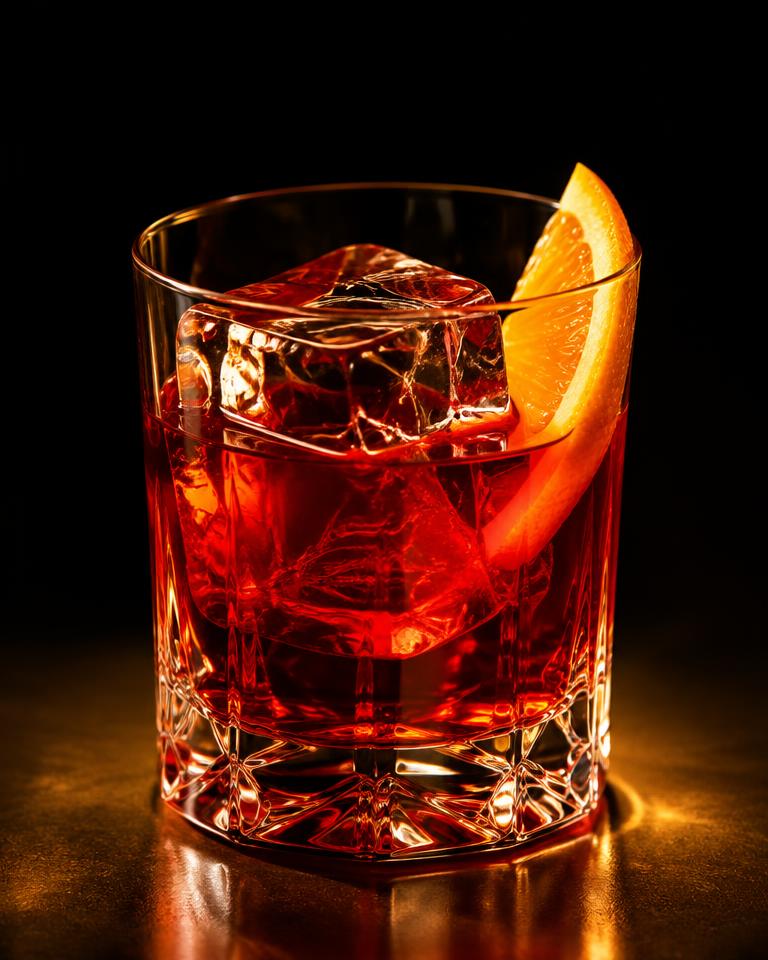 Gin
Negroni
Equal parts gin, Campari and sweet vermouth — bittersweet and assertive.
 Whiskey
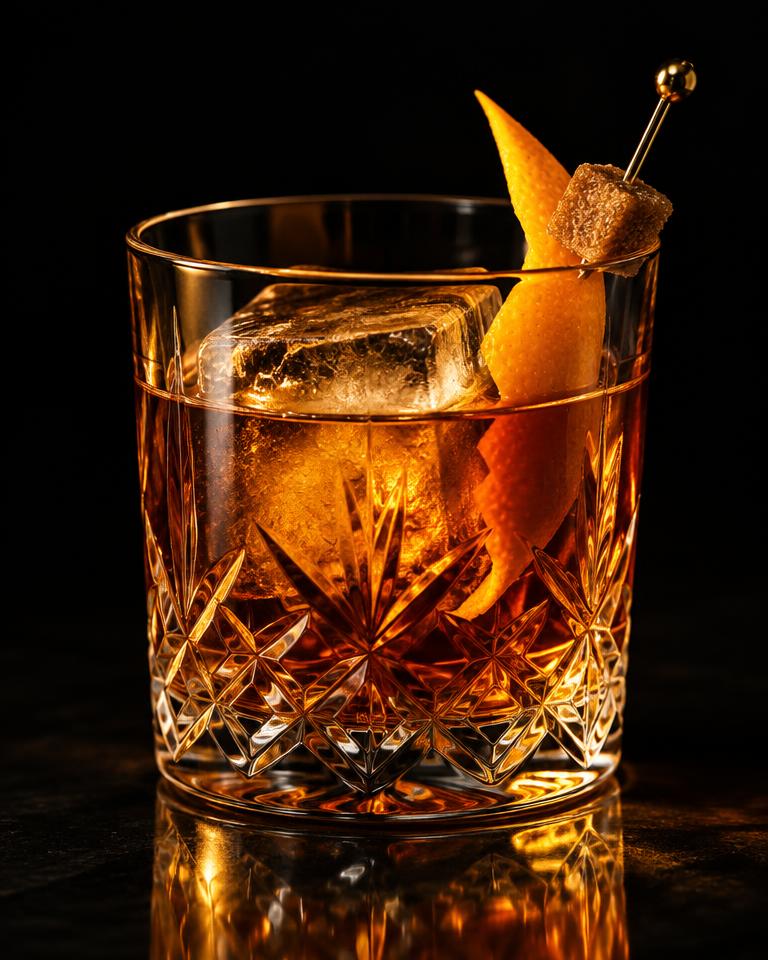
Old Fashioned
Whiskey, sugar, bitters and water — the original definition of a cocktail.
 Rum
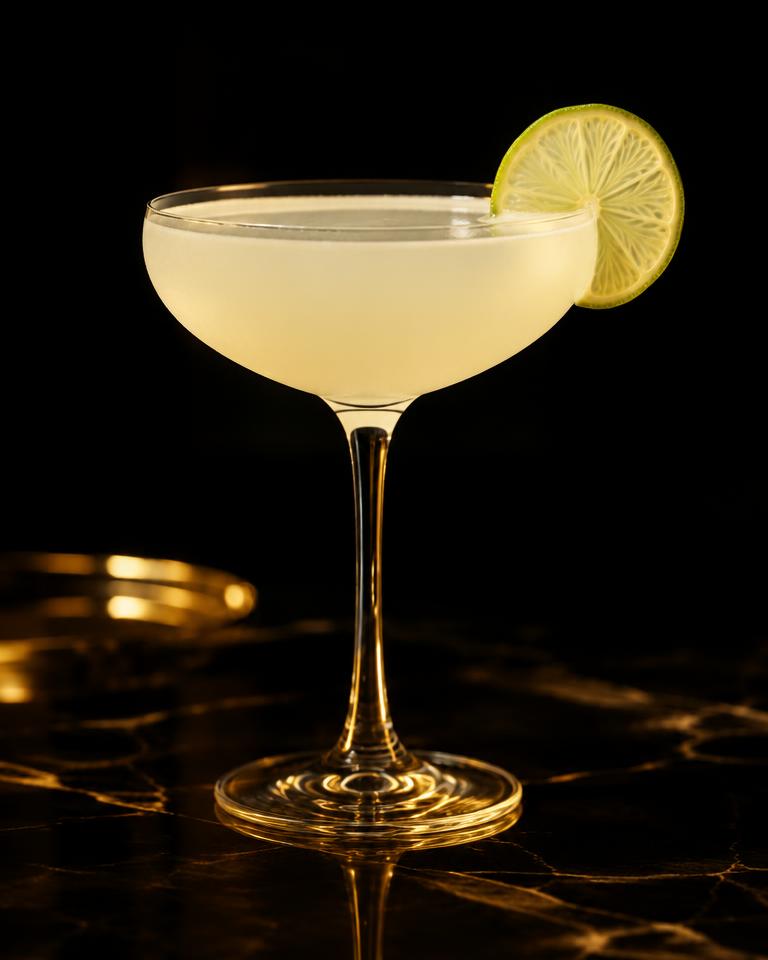
Daiquiri
White rum, lime and sugar — a bartender's benchmark of balance.
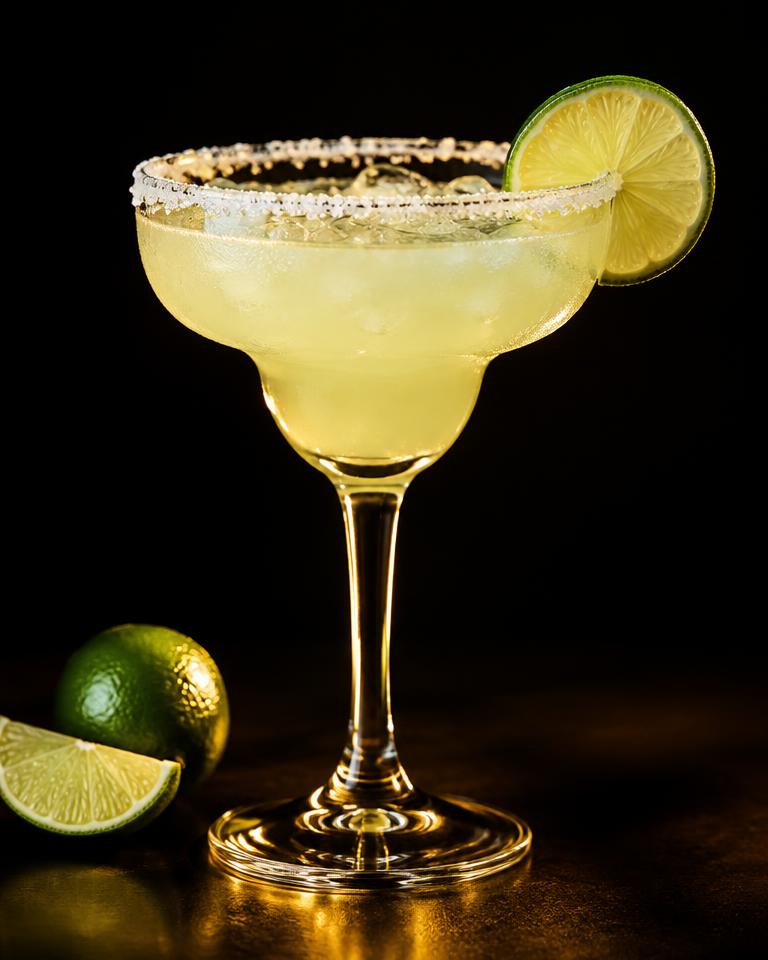 Tequila
Margarita
Tequila, orange liqueur and lime with a salted rim.