
Bar Knowledge
Glassware
Choosing a glass for temperature, aroma, volume and presentation.
01
Why shape matters
A glass controls serving volume, warming rate and how aroma reaches the nose. The right choice supports the drink; it should never make it harder to hold or enjoy.
02
Core families
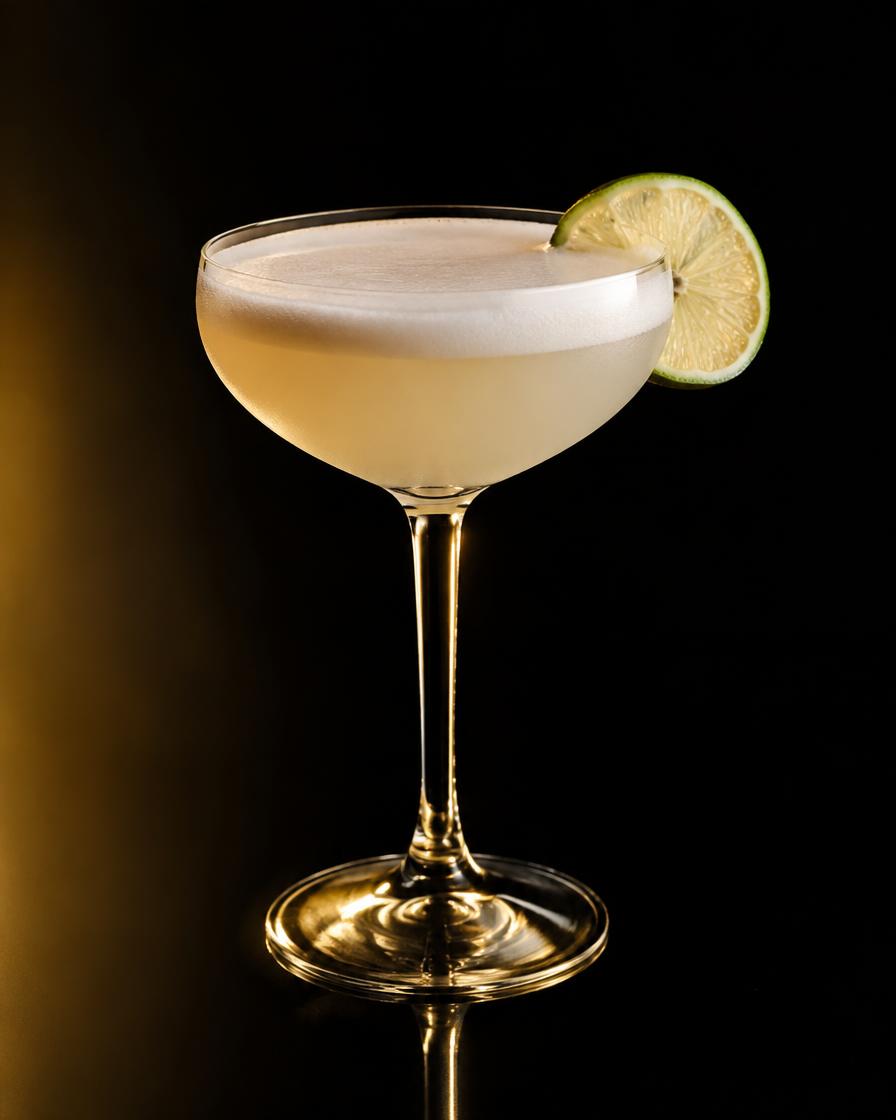
Coupe and cocktail glasses serve chilled drinks without ice. Rocks glasses accommodate large cubes and short drinks. Highballs leave room for ice and carbonated lengtheners; stemmed wine glasses suit spritzes.
03
Stemmed and short glass selection
A coupe has a broad bowl and a stem, suitable for chilled, ice-free sours and aromatic recipes. A Nick & Nora offers a narrower rim for small serves. Rocks glasses hold short drinks and large cubes; double rocks provide more volume. Holding a stemmed glass by the bowl warms it faster; allow headroom appropriate to the serving size.
04
Long drinks and special serves
Highball and Collins glasses provide space for ice and carbonated mixers, with capacities varying by manufacturer. Use a stemmed wine glass for spritzes and heat-rated handled glassware for hot drinks. Do not infer volume from the name: measure with water and record it in the service specification. Oversized glassware should not encourage unnecessary recipe extension.
05
Chilling, cleaning and safety
Pre-chill ice-free serving glasses and drain all temporary chilling water. Detergent residue affects foam and aroma. Retire chipped or cracked glassware. If glass breaks in an ice bin, removing visible fragments is not enough: empty and clean the entire bin before replacing the ice.
06
Capacity, stems and serving temperature
Select capacity using recipe volume plus water from mixing ice. A brim-full coupe spills and makes comfortable smelling difficult. A V-shaped Martini glass offers a broad surface and delicate balance; a coupe is often easier to carry. A Nick & Nora suits smaller servings. Nominally identical glass names can have different capacities, so test recipes in the actual model.
Stems reduce heat transfer from hands; a heavy base does not automatically preserve temperature. Prechill glasses for up drinks and empty cooling water completely. Leave room for ice and soda in highballs; large wine glasses accommodate spritz volume and aroma. Hot coffee drinks require heat-safe glass. Chips, cracks and detergent smells are more than cosmetic problems. Inspect after washing and remove questionable glasses from service.
Related cocktails
Related cocktails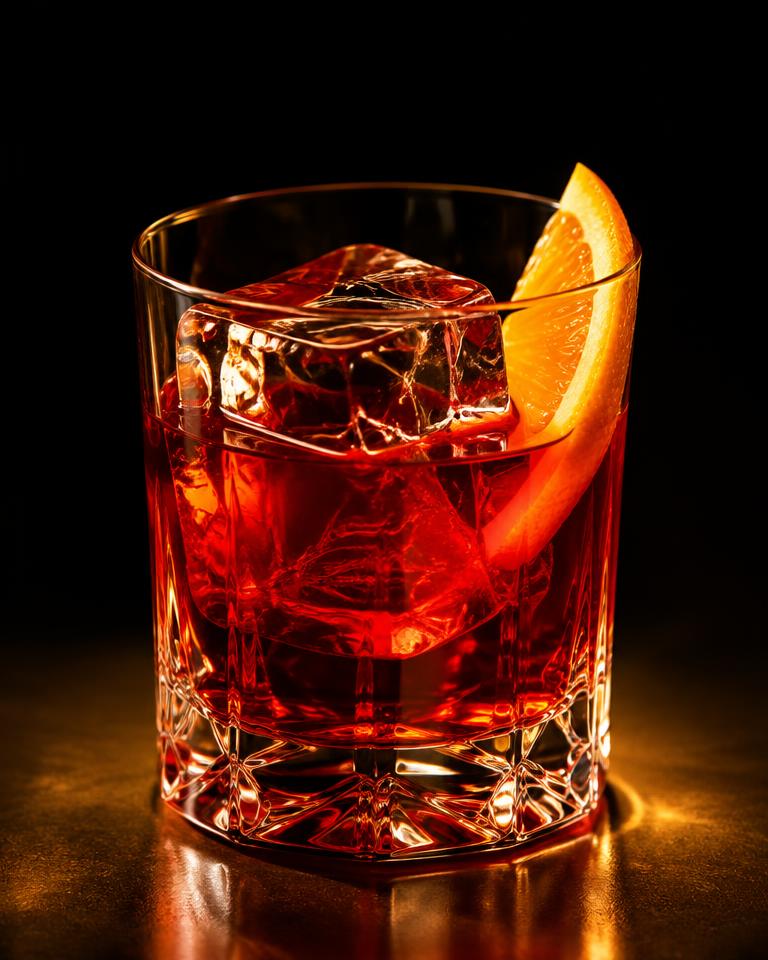 Gin
Negroni
Equal parts gin, Campari and sweet vermouth — bittersweet and assertive.
 Whiskey
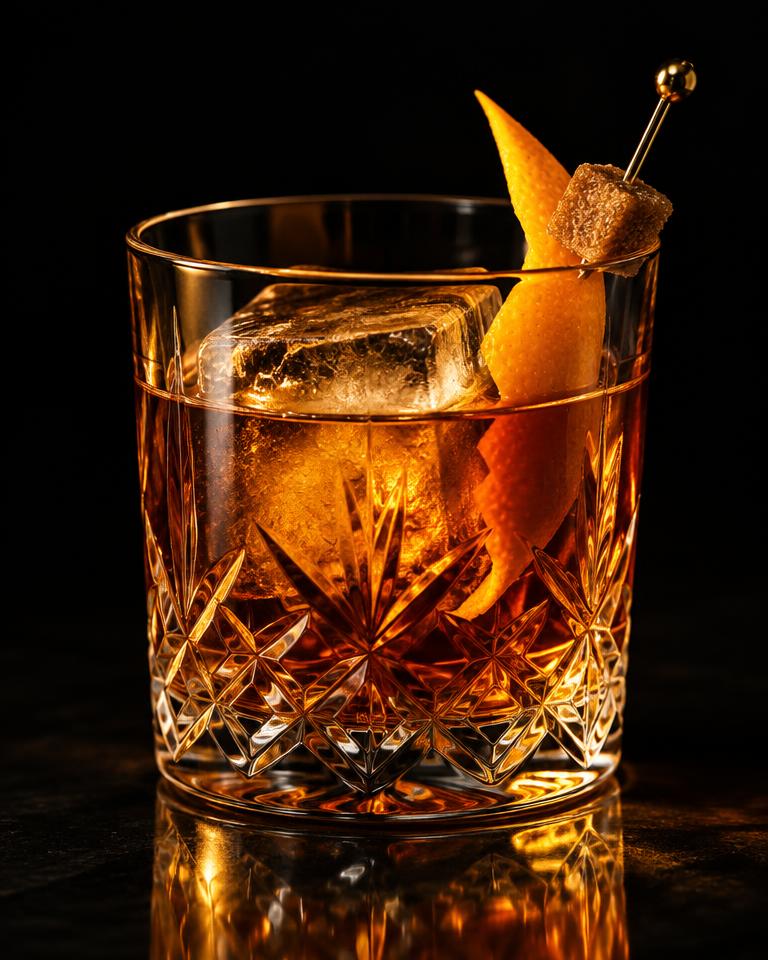
Old Fashioned
Whiskey, sugar, bitters and water — the original definition of a cocktail.
 Rum
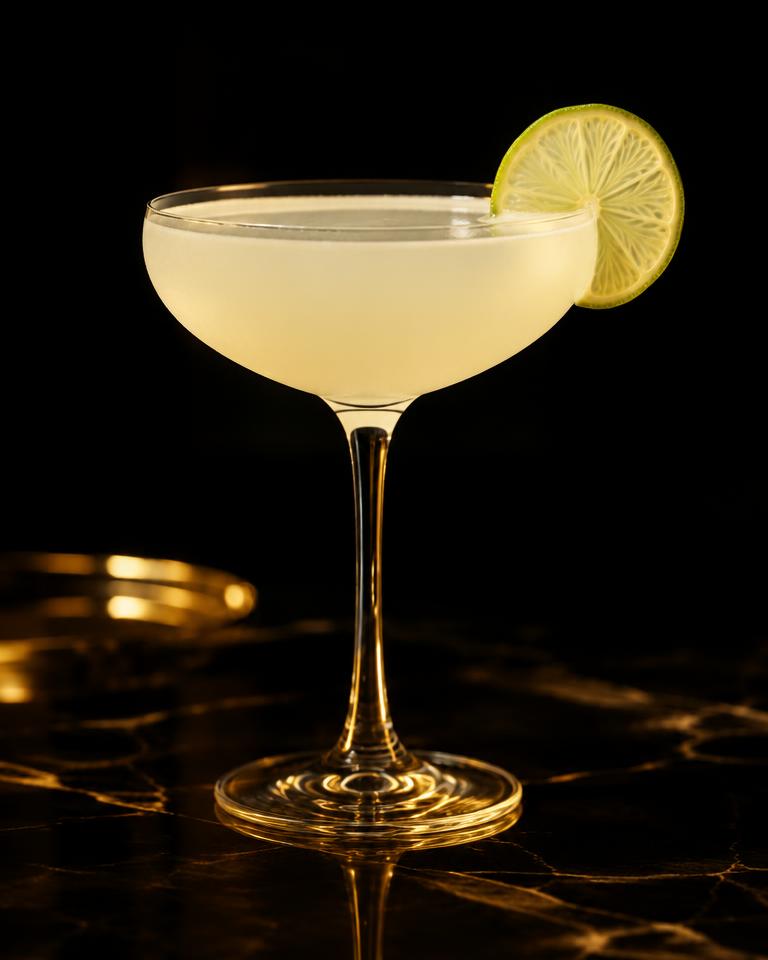
Daiquiri
White rum, lime and sugar — a bartender's benchmark of balance.
 Tequila
Margarita
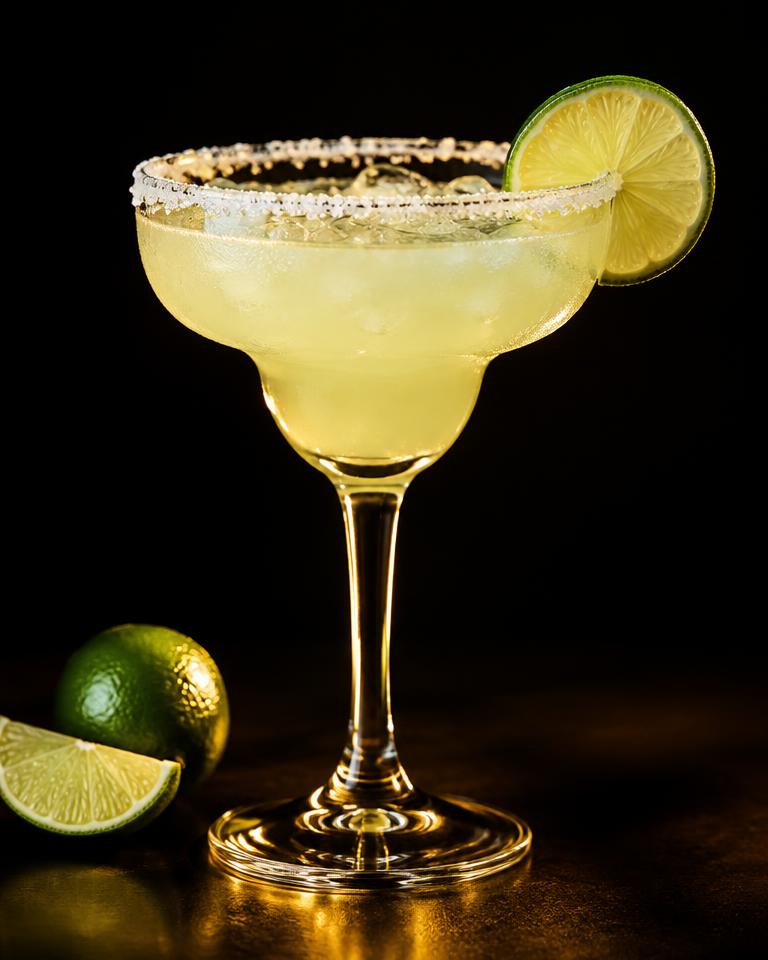
Tequila, orange liqueur and lime with a salted rim.