
Bar Knowledge
Essential Bar Tools
What each core tool contributes to accuracy, texture and speed.
01
Measure first
A jigger makes a recipe repeatable. Consistent measurement protects balance, cost and responsible service while letting later adjustments mean something.
02
Mix and separate
A shaker chills, dilutes and aerates. A mixing glass and bar spoon chill with less air. Hawthorne, julep and fine strainers control ice fragments, herbs and pulp.
- Jigger
- Shaker tins
- Mixing glass and bar spoon
- Strainers
- Muddler and peeler
03
Care is part of technique
Rinse tools promptly, avoid flavor carryover and inspect glassware for chips. A small, well-maintained kit is more useful than a crowded drawer.
04
Shaker types and sealing
A Boston shaker uses two vessels; metal-on-metal sets offer fast chilling and durability. A cobbler has three parts including a built-in strainer; a French shaker is a two-part capped alternative. Avoid overfilling, check the seal and work away from faces. Never shake carbonated ingredients in a sealed shaker.
05
Hawthorne, julep and fine strainers
A Hawthorne spring retains ice and large particles. A julep strainer is especially useful for pouring from a mixing glass. A fine sieve follows the primary strainer when small ice shards or pulp must be removed; not every cocktail needs it. Do not force pulp through a clogged mesh. Clean removable springs regularly.
06
Measuring, cutting and muddling
Check jigger markings with water; not every bar spoon measures the same volume. Use a scale for precise syrup and acid preparation. Keep cutting boards, peelers, presses and knives clean and sound. Press mint without shredding it; muddle fruit enough to release juice. Use dedicated scoops and tongs for ice.
07
Shaker families and strainer pairing
A Boston shaker has two vessels: metal-on-metal cools quickly, while metal-and-glass requires attention to breakage and thermal stress. A Cobbler has a body, straining lid and top cap; fine pulp may still require a separate sieve. A French or Parisian shaker has two capped pieces and uses an external strainer. Overfilling restricts movement; batch capacity depends on ice and headspace, not liquid volume alone.
A Hawthorne retains larger ice fragments; a Julep works well with a mixing glass, and a fine sieve removes smaller shards and citrus fibers. Read jigger marks at eye level rather than assuming identical capacities across models. A toothed muddler may help with firm fruit but shred mint unnecessarily. Keep blade work separate from service. If glass breaks in an ice well, removing visible pieces is insufficient.
08
Types of shaker
The Boston shaker has two parts: a large metal tin and either a glass or a smaller tin. It is the most common choice in professional bars: its volume lets ice move freely for fast chilling and aeration, and it is easy to clean. The tin-on-tin version eliminates breakage and seals better. It requires a separate strainer.
The cobbler shaker has three parts: body, a cap with built-in strainer and a small lid. It is practical at home but can stick when cold and has limited volume. Cobblers used meticulously by Japanese bartenders are famous for fine craftsmanship. The Parisian (French) shaker is an elegant, balanced two-piece metal design that, like the Boston, needs a separate strainer.
- Boston: fast, large volume, professional standard
- Cobbler: built-in strainer, practical at home
- Parisian: two metal pieces, elegant and balanced
09
Strainers
The Hawthorne strainer sits on the mouth of a shaker or mixing glass thanks to its coiled spring and holds back ice. Pushing it forward ('closing the gate') gives a finer strain; holding it loosely lets some foam and ice crystals through. The tighter the coil, the finer the strain.
The julep strainer is a perforated, spoon-shaped strainer with a handle, used especially for stirred drinks from a mixing glass. Its name comes from being placed over the glass when drinking juleps to keep ice from the teeth. The fine strainer is a conical mesh that double-strains shaken drinks, catching ice shards, fruit pulp and herb fragments for a silky texture.
10
Bar spoon, muddler and mixing glass
A bar spoon has a long, thin handle, usually twisted. The twist lets it spin between the fingers for smooth stirring and lets liquid run gently down the shaft when layering. The end may have a teardrop weight, fork or flat muddler disc. When stirring, the back of the spoon rests against the inside of the glass and ice rotates as one block; the aim is to chill and dilute without aerating. One bar spoon is about 5 ml.
The muddler crushes fruit, herbs and sugar to release aroma and juice. It is made from wood, stainless steel or food-grade plastic; varnished wood is avoided because it can flake. Delicate herbs such as mint should be pressed gently, as over-muddling releases bitter chlorophyll. Citrus peel can be pressed harder to release oils. The mixing glass is a heavy-based glass or metal vessel with a spout that keeps stirred drinks cold and clear.
11
The jigger and measured pouring
A jigger has measuring cups of different sizes at each end; common pairs are 30/45 ml, 25/50 ml or 15/30 ml. Japanese-style jiggers are slim and tall for precise pouring and include inner lines for intermediate measures. For accuracy, hold the jigger level, fill to the brim and check the curved surface (meniscus) at eye level. Empty it completely when pouring, without leaving drops.
Free pouring measures liquid flowing through a pour spout by counting; experienced bartenders can pour consistent amounts with a 'one-two-three-four' count. Temperature, bottle level and liquid density alter flow, so counts should be tested regularly against a measure. Consistency is critical for both guest experience and cost control, which is why many professional bars make the jigger standard.
12
Other bar equipment
Beyond the core kit, an efficient bar needs many supporting tools. A citrus press (hand-held or lever) is essential for fresh juice. Peelers and zesters produce thin peel and aromatic oils for garnish, and a channel knife cuts spirals. A cutting board and a sharp knife are basics for garnish preparation.
For ice there are scoops, tongs, a Lewis bag and mallet for crushed ice, an ice pick, and moulds for large blocks. Pour spouts control flow, and the speed rail holds the most-used bottles in front of the bartender. Garnish trays, picks, straws, bar mats, cloths, a waiter's friend corkscrew, dasher bottles and atomisers complete the station. A blender serves frozen and tropical drinks, and a siphon is used for foams and carbonation.
- Citrus press, peeler, zester, channel knife
- Ice scoop, tongs, Lewis bag, ice pick
- Pour spouts, speed rail, bar mat, cloths
- Dasher bottles, atomiser, blender, siphon
13
Care and hygiene
Bar tools should be rinsed after every use and washed with hot water and detergent at the end of the shift, then dried completely. After drinks with dairy or egg, rinse the shaker immediately and separately to prevent allergen transfer. Wooden muddlers should not go in the dishwasher and should be checked regularly. Hawthorne springs and fine strainers trap residue and should be brushed clean.
Stainless steel lasts long, but scratches and dents can spoil the seal. Regular care is essential for hygiene and consistent results; a well-kept kit directly affects a bartender's speed and safety.
Related cocktails
Related cocktails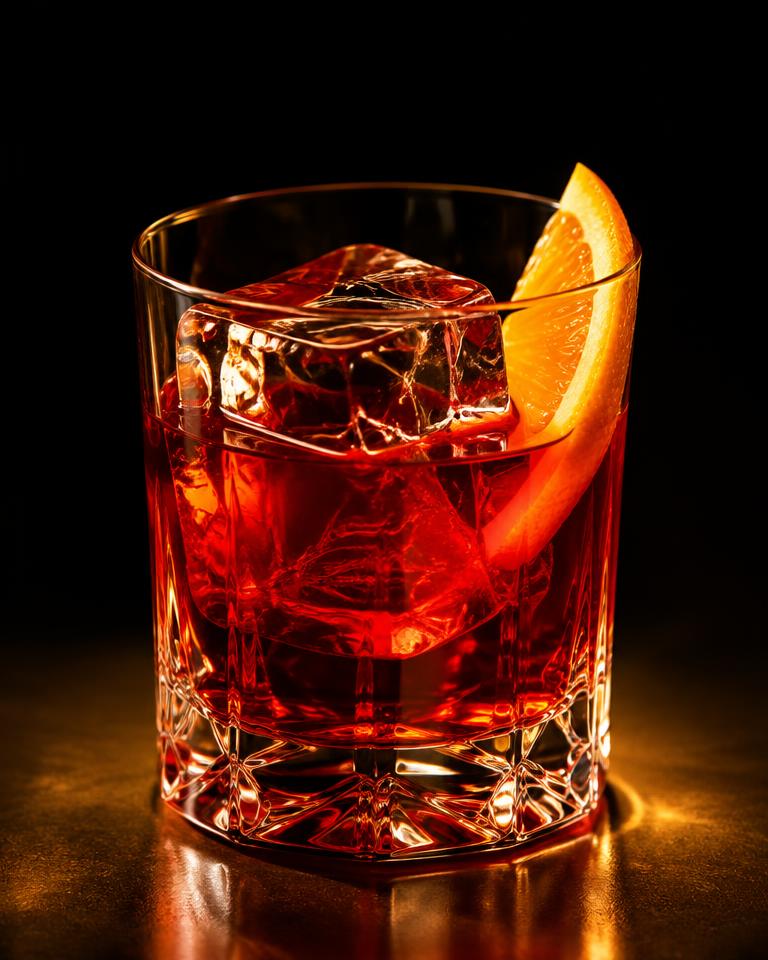 Gin
Negroni
Equal parts gin, Campari and sweet vermouth — bittersweet and assertive.
 Rum
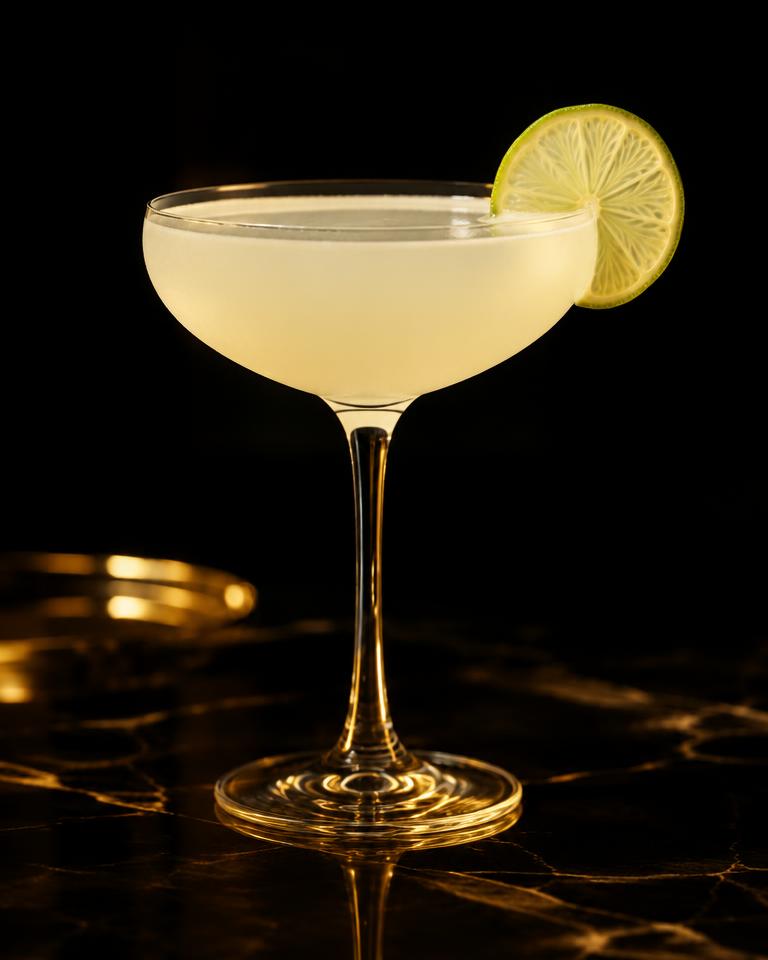
Daiquiri
White rum, lime and sugar — a bartender's benchmark of balance.
 Tequila
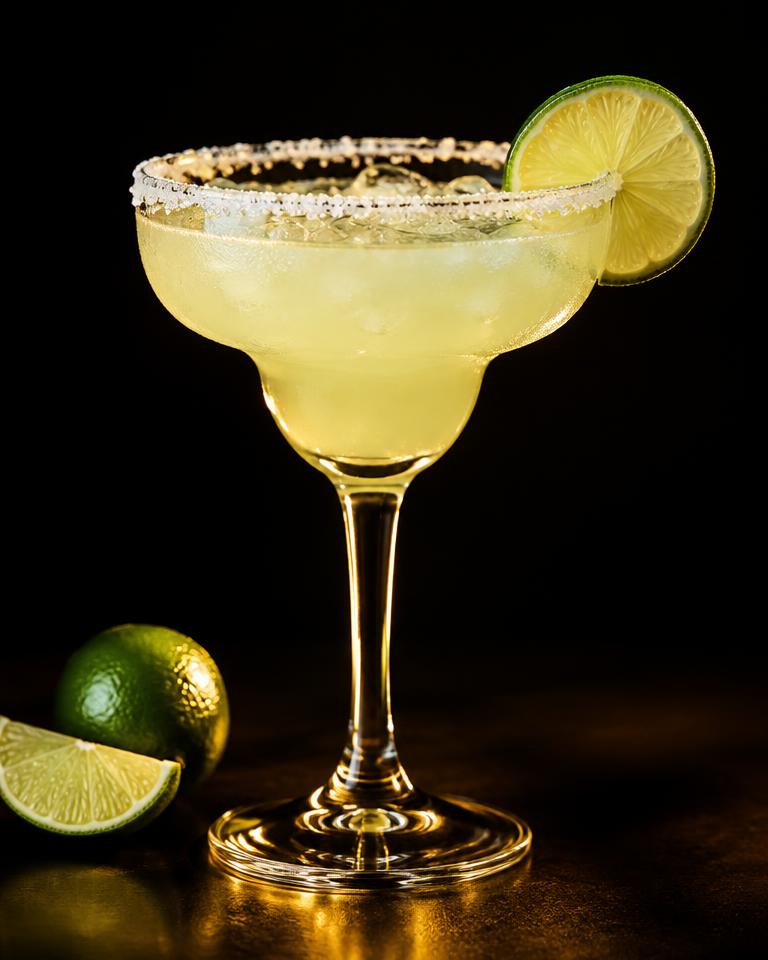
Margarita
Tequila, orange liqueur and lime with a salted rim.
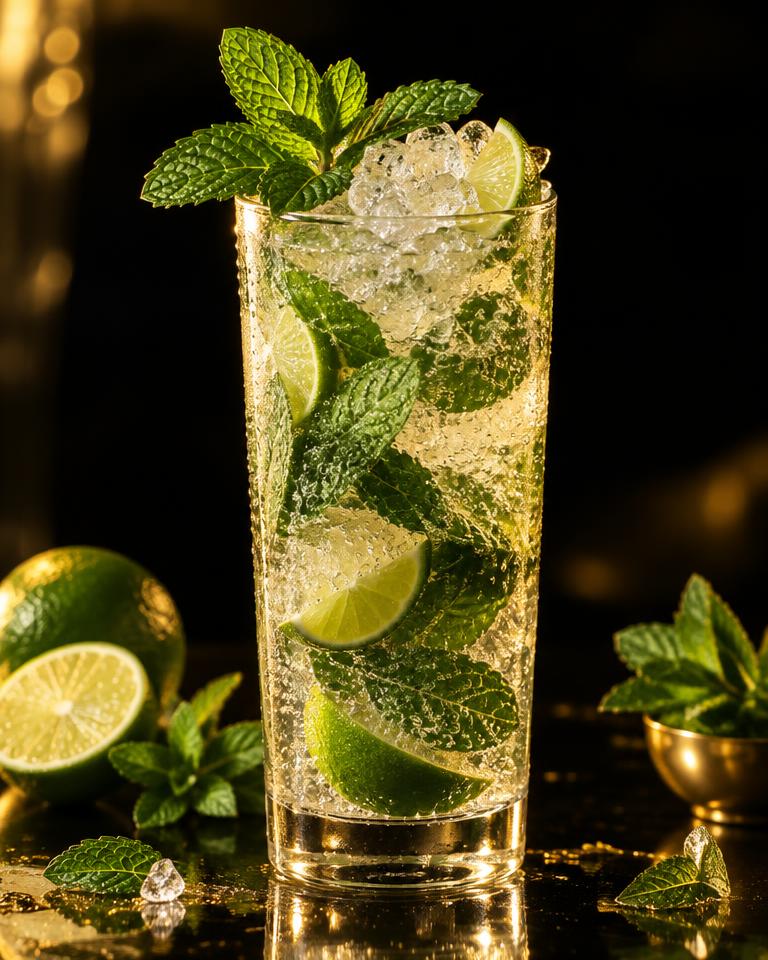 Rum
Mojito
Rum, mint, lime and soda — Havana's long refresher.