
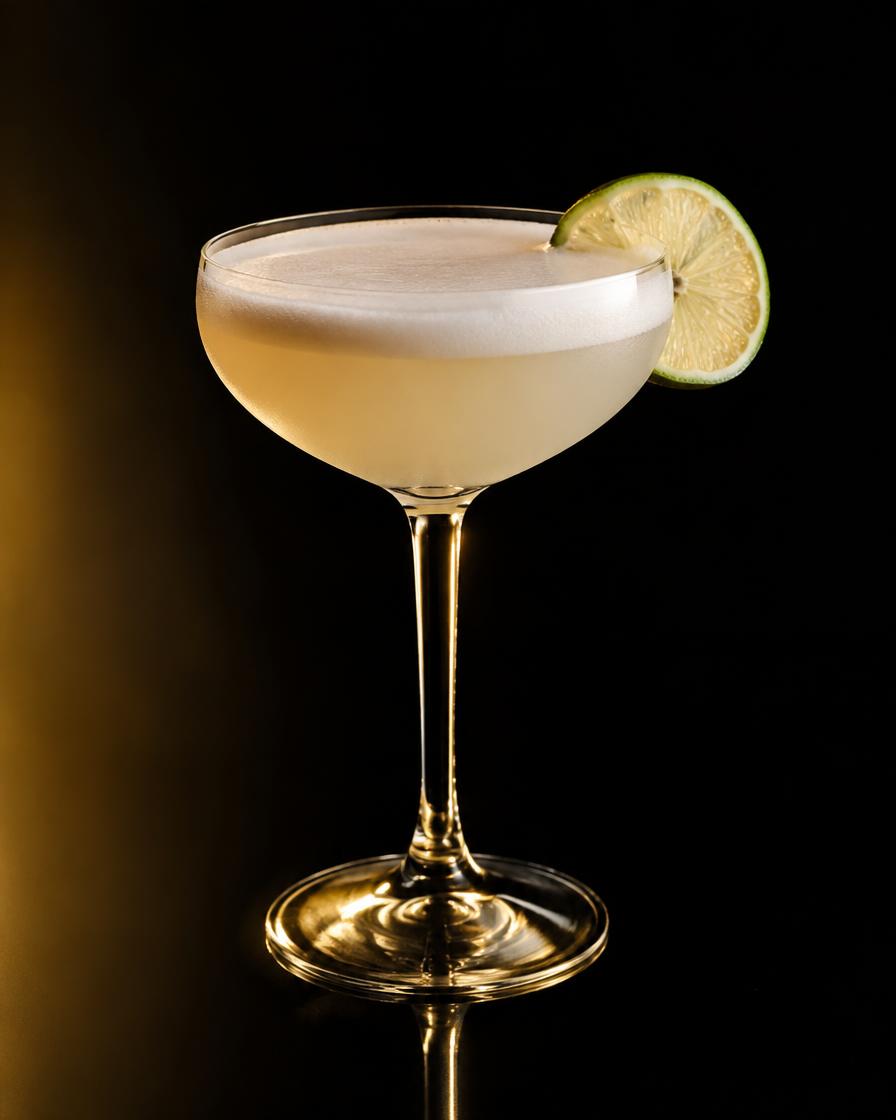
Why Does a Cocktail Taste Too Sour, Sweet or Watery?
Before changing a recipe, check measurement, citrus, syrup, ice and serving temperature. Diagnose common cocktail problems one variable at a time.
MIXY · Editorial
Balance is not equal intensity
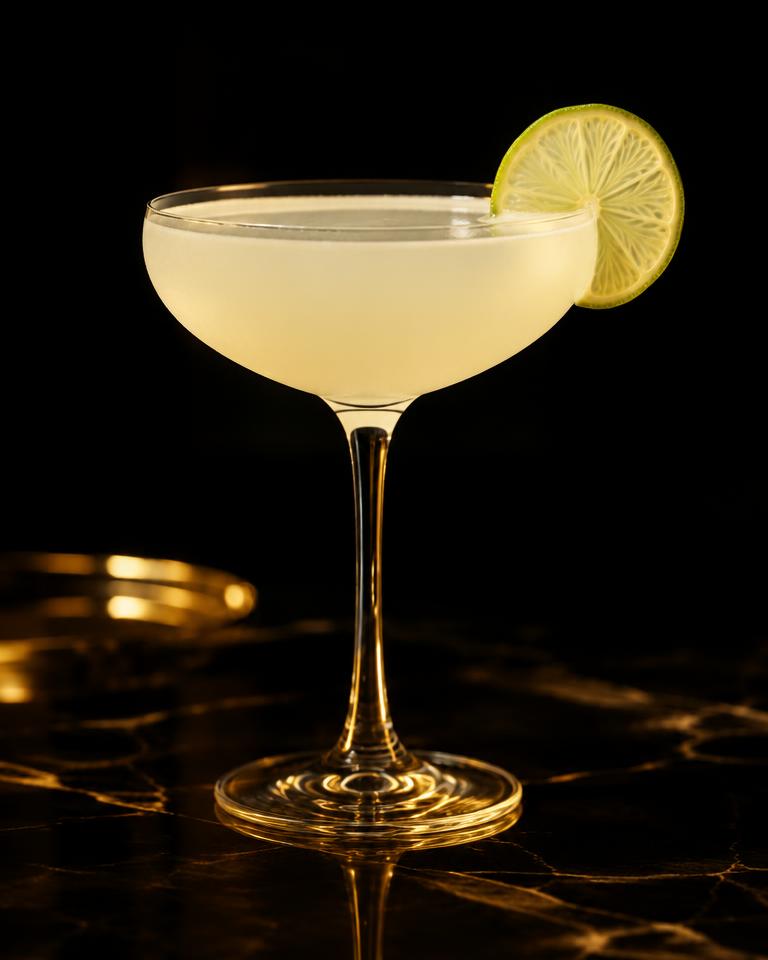
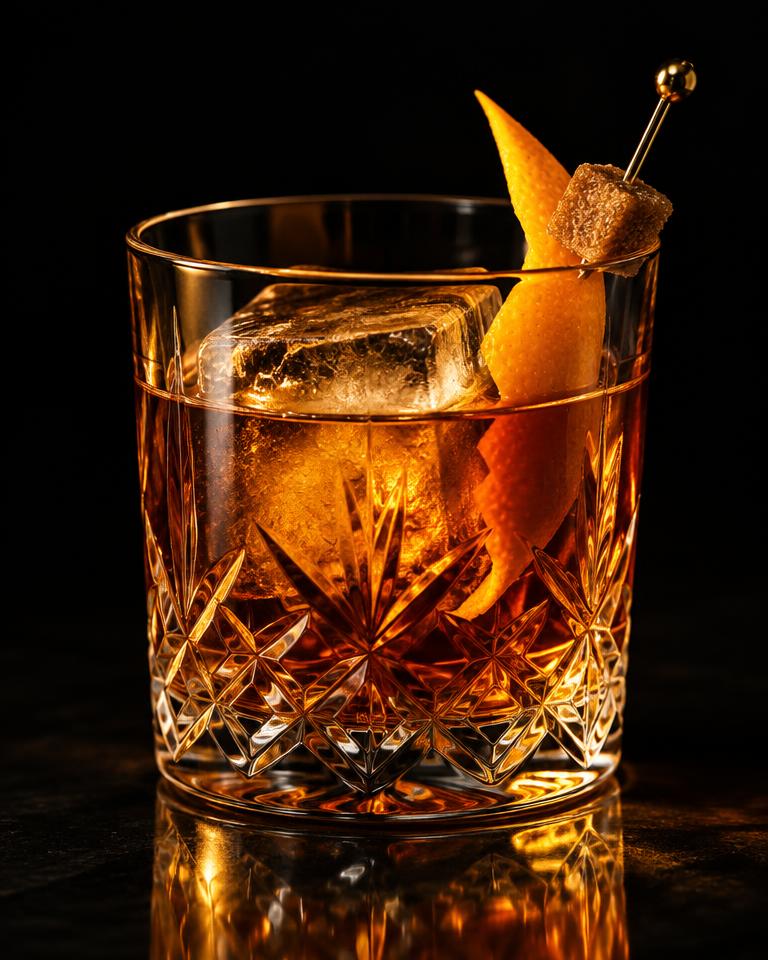
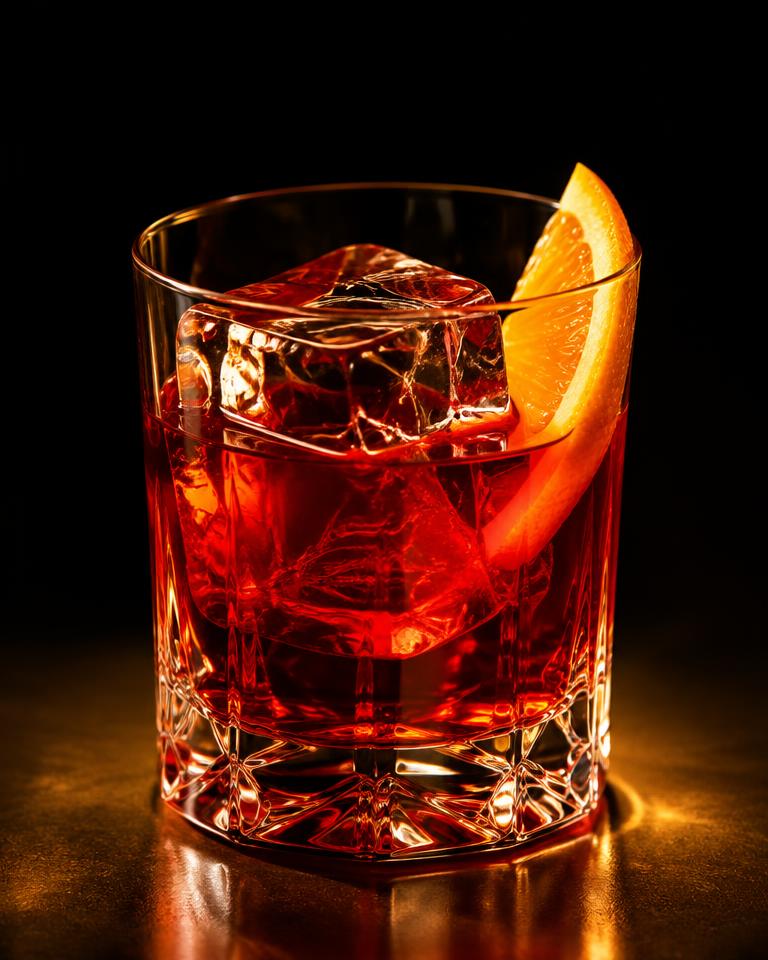
Balance is assessed within a drink’s intended style. A Daiquiri should show bright citrus, a Negroni bittersweet structure, and an Old Fashioned spirit character. Giving all three the same sweetness or acidity makes them alike rather than balanced.
Start with three questions: did I use the specified ingredient, measure the correct quantity and follow the method? Then describe the impression: sour, sweet, bitter, hot, flat or thin. A concrete word is more useful than simply saying it tastes bad.
When a drink is too sour or too sweet
Citrus acidity varies with fruit and conditions. Syrup concentration changes sweetness at the same volume: 1:1 and 2:1 syrups are not interchangeable measure for measure. Check the specified sweetener before hiding acidity with additional sugar.
First identify a measurement error or ingredient substitution. In the next trial, make a small measured change to one variable, recording the fruit and syrup used. Do not treat an adjustment that works for one recipe as a universal solution.
From knowledge to practice
Go deeper with a guide
From a symptom to a controlled trial
Assess the drink at its serving temperature. A cocktail that seems sharp initially may change as ice melts, but that change does not automatically correct a measurement error. Recording the first impression separately from a later one helps reveal dilution during service.
The table is a sequence of checks, not a definitive diagnosis. Several issues may coexist. If an ingredient was substituted or mismeasured, return to the original specification first. When measurements are correct, select one variable and compare it in the next small trial.
| Symptom | First check | Next trial |
|---|---|---|
| Too sour | Citrus type, freshness and sweetener measure | Repeat with the specified syrup and correct measures |
| Too sweet | Syrup concentration and overpouring | Confirm syrup specifications; hold other variables steady |
| Thin / watery | Starting temperature, wet ice and delayed service | Compare the same recipe with clean ice and prompt service |
| Flat / dull | Carbonation and aroma freshness | Gently add a chilled, freshly opened mixer |
Dilution versus a watery result
Ice both chills and adds water; controlled dilution helps integration. When a drink tastes thin, ice size is only one variable. Consider starting temperature, ice condition and quantity, movement and the delay before service together.
No single dilution percentage or mixing time fits every cocktail. Repeat a recipe with comparable ice conditions. Adding alcohol to rescue an over-diluted drink makes the serving uncertain; remake it when necessary for a more consistent result.
Recipe selection
Put the method into practice
Heat, flatness and excessive bitterness
Alcohol heat, aroma and bitterness are different sensations. Warm glassware or insufficient chilling can accentuate heat. Excess bitters, an unsuitable garnish or overworked citrus pith may change bitterness. More sugar does not solve every cause.
For a flat result, check aroma, citrus freshness, the condition of a carbonated mixer and serving temperature. Long, forceful mixing of a carbonated drink can reduce its intended liveliness. Integrate gently to preserve the texture specified by the recipe.
Keep a small trial log
Record the recipe, quantities, product specifications, syrup concentration, ice conditions and the single change you made. Assess the first sip separately from development during service to better distinguish garnish and melting effects.
Compare small amounts; observation rather than consumption volume is the objective. Evaluate allergens and cross-contact separately. The Flavour Balance and Tasting Fundamentals guides explain this approach in depth, while recipe pages provide the starting specifications.
Explore further
Explore cocktails
Stirred cocktails
Spirit-led recipes such as the Negroni and Old Fashioned.