
Foundations of Spirits
Tasting Fundamentals
A repeatable method for seeing, smelling and tasting with attention.
01
Set the conditions
Use a clean glass, neutral light and an aroma-free space. Taste comparatively in small measures and keep water nearby. The goal is observation, never consumption volume.
02
A simple sequence
Look for clarity and color. Smell first at a distance, then closer without forcing. Take a small sip and note attack, development, texture and finish.
- Appearance
- Nose
- Palate and texture
- Finish
03
Build a useful vocabulary
Concrete comparisons communicate better than judgments: citrus peel, fresh herbs, toasted grain or smoke say more than simply good or bad.
04
Taste and aroma are different
Sweet, sour, bitter, salty and umami describe basic tastes; fruit, floral, spice and wood associations largely describe smell. Old maps assigning each taste to a single tongue region are inaccurate. Alcohol heat and astringency are sensations rather than aromas.
05
Recording and comparing
Compare using the same glass, similar quantities and similar temperatures. Record dominant aroma, then texture and finish. A small water addition can reveal aromas in some spirits, but the effect depends on the product. Blind tasting reduces brand expectation. Take breaks in longer sessions; swallowing is not required for professional evaluation.
06
Evaluating cocktails
Evaluate the first sip separately from the drink's development during service. Does balance survive dilution, does the garnish support aroma, and is the glass comfortable? Do not blame the formula alone: warm glassware, wet ice and measurement differences also matter. Change one variable and record the result under comparable conditions.
07
Comparative tasting and sensory bias
Sweet, sour, bitter, salty and umami are not assigned to exclusive tongue regions; the familiar tongue map is unreliable. Aroma also reaches the nose from the mouth. Congestion, ambient smells and a previous strong sample can alter assessment. Small measures and breaks reduce fatigue more effectively than forceful sniffing of high-proof spirits.
Compare samples in matching glasses at matching temperatures and similar strengths, recording any added water. Blind tasting can reduce brand expectations. Begin with concrete impressions such as green apple, toasted bread, vanilla or dried herbs, then assess intensity, texture and finish. Different associations are normal, not evidence of failure. Small sips, a spit vessel and alcohol-free alternatives belong in the session; tasting must not become a volume challenge.
Related cocktails
Related cocktails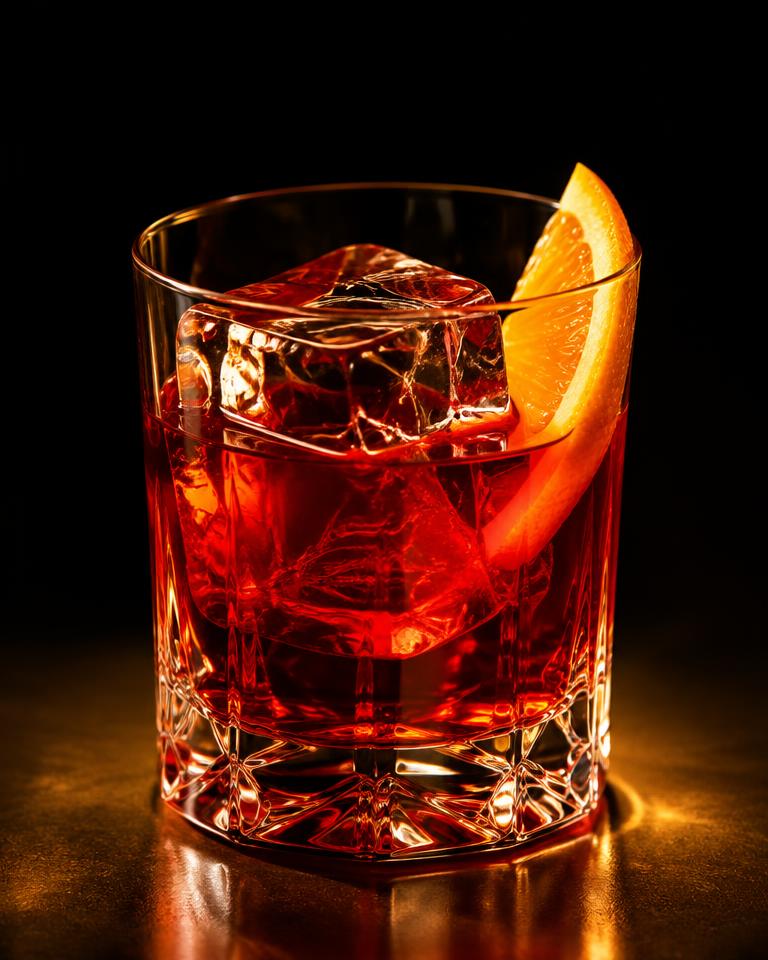 Gin
Negroni
Equal parts gin, Campari and sweet vermouth — bittersweet and assertive.
 Whiskey
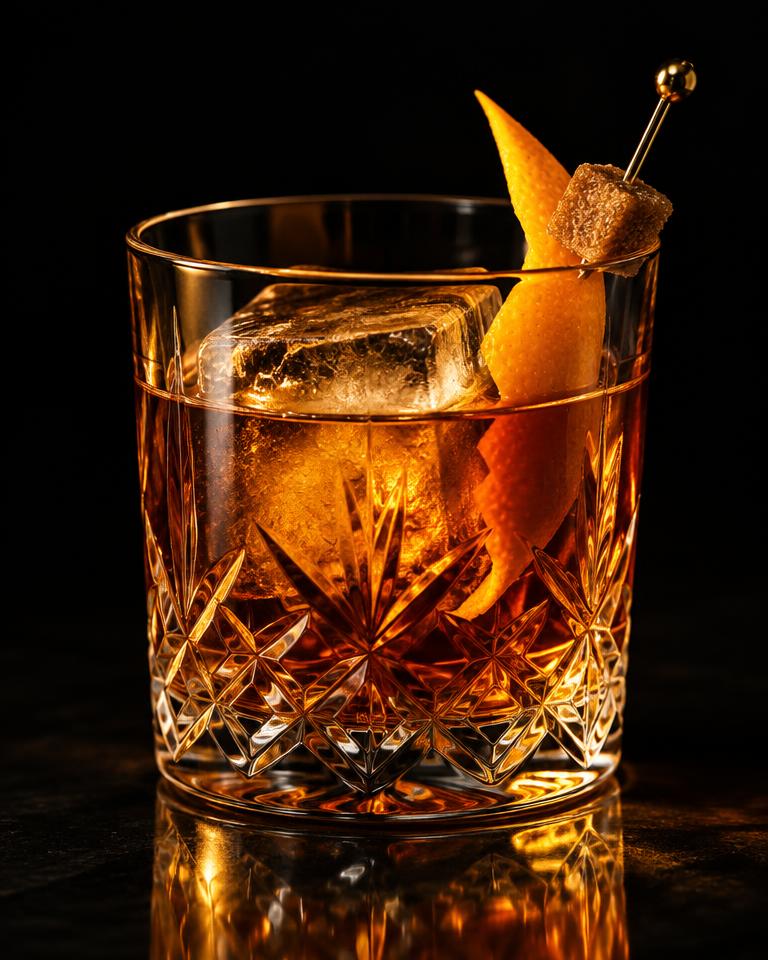
Old Fashioned
Whiskey, sugar, bitters and water — the original definition of a cocktail.
 Rum
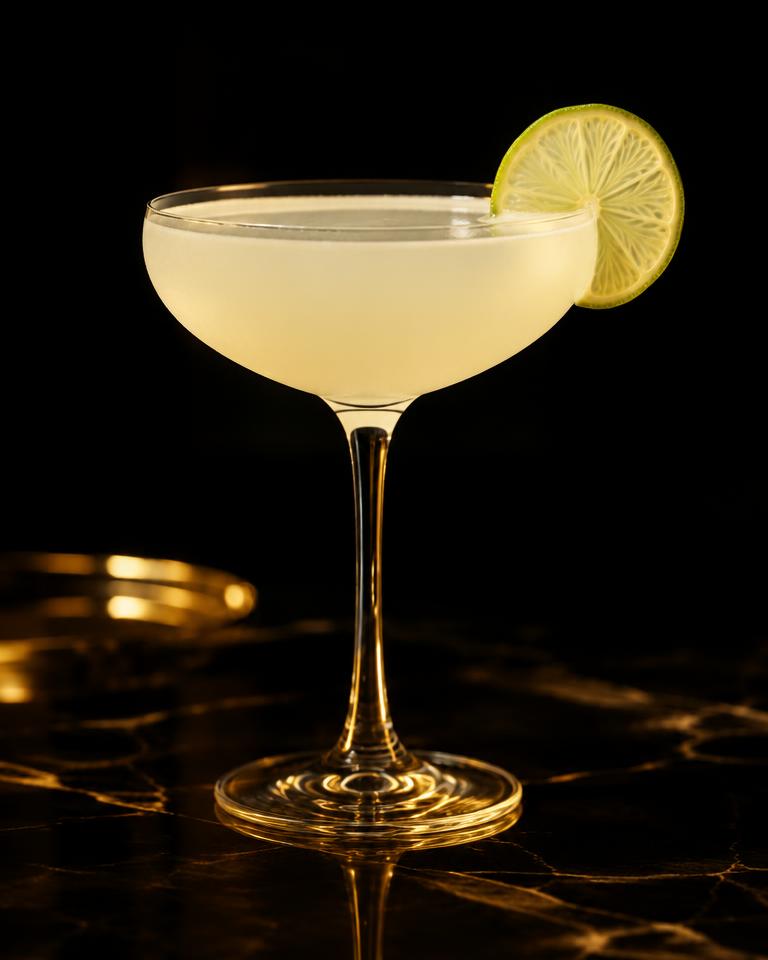
Daiquiri
White rum, lime and sugar — a bartender's benchmark of balance.
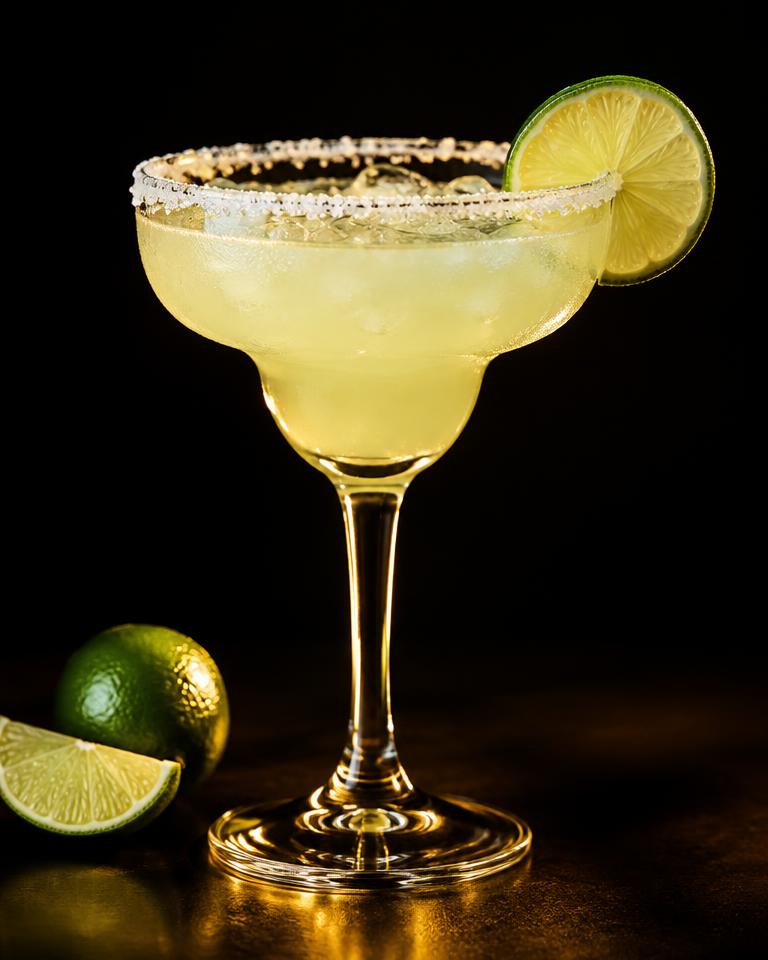 Tequila
Margarita
Tequila, orange liqueur and lime with a salted rim.