
Mixology & Technique
Flavor Balance
A practical framework for diagnosing and adjusting a cocktail.
01
Balance is contextual
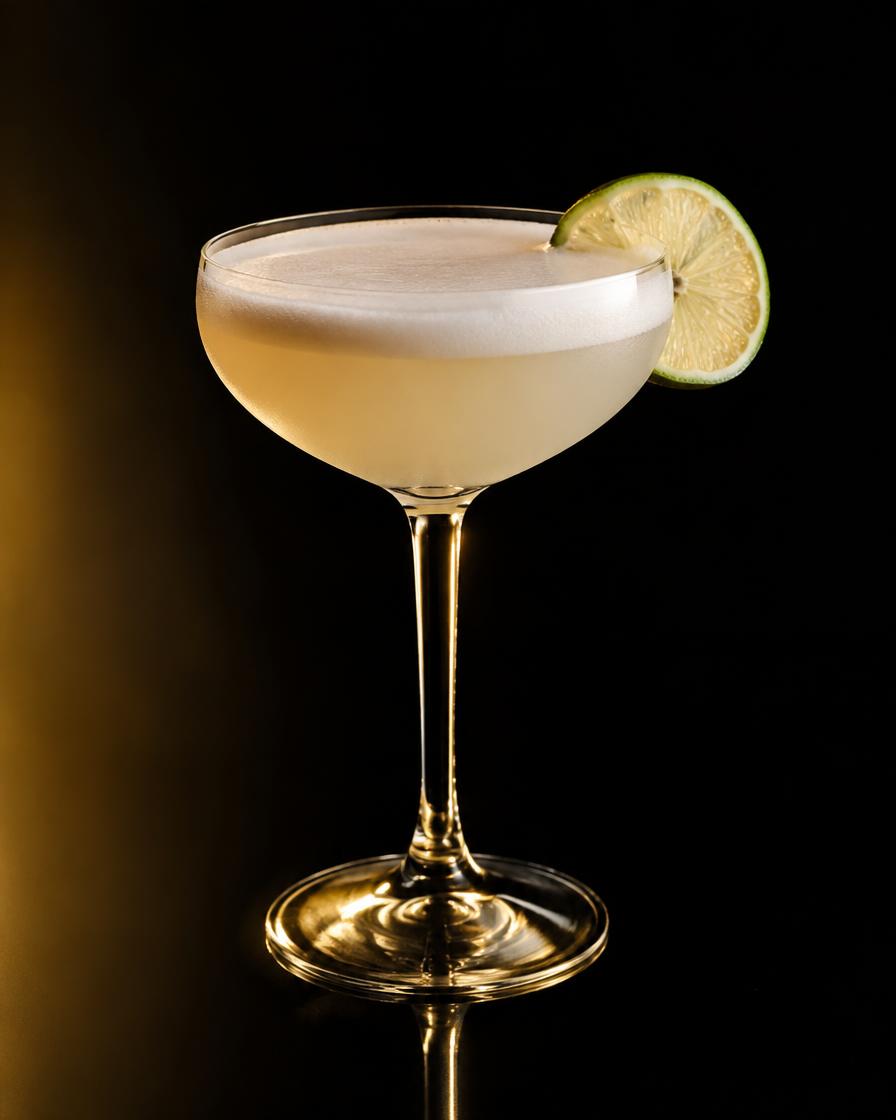
Balance does not mean every taste is equal. A Daiquiri should be bright; an Old Fashioned should remain spirit-forward. The question is whether every ingredient supports the intended style.
02
Adjust one axis at a time
Too sharp may need sweetness, dilution or less acid. Too flat may need acid, bitterness, aroma or colder service. Change small amounts, record them and taste again.
03
Sugar, acid and alcohol
Sugar softens acidity and adds body; acid brings brightness. Alcohol carries aromas while potentially adding heat. Equal volumes of 1:1 and 2:1 syrup do not deliver equal sweetness. Lemon and lime acidity varies with the fruit. When brands or seasons change, check taste as well as quantities.
04
Bitterness, salt and texture
Bitters can add structure in small quantities but excess can obscure aroma. A very small measured salt addition changes perception in some recipes; it is not an automatic fix. Egg white, aquafaba and dairy alter texture and require allergen assessment. Creamy texture is not equivalent to adding more sugar.
05
A practical adjustment sequence
First confirm measurement, ice and service temperature. Then assess the sweet–sour axis, followed by aroma, bitterness and texture. Adding alcohol to rescue an over-diluted drink makes the serving uncertain; remake when necessary. Record trials and revise the standard formula only after comparative checks.
06
Diagnosis order: temperature, water and recipe
Warm and cold versions of the same recipe can differ in perceived sweetness, aroma and alcoholic heat. Check temperature and dilution before treating a harsh drink as a recipe failure. Adding acid is not equivalent to removing sugar: volume and body also change. More bitters may intensify an already dominant element. Small saline additions can affect perception but are not a compulsory solution for every drink.
Keep the spirit constant and change one variable in small steps. Record juice batch, syrup weight ratio, ice and time. Before adding syrup to a Daiquiri, check whether the new lime batch is sharper. Simultaneous changes obscure what helped. pH, titratable acidity and Brix are useful observations, not independent proofs of balance. Intended style and guest preferences remain part of the final assessment.
Related cocktails
Related cocktails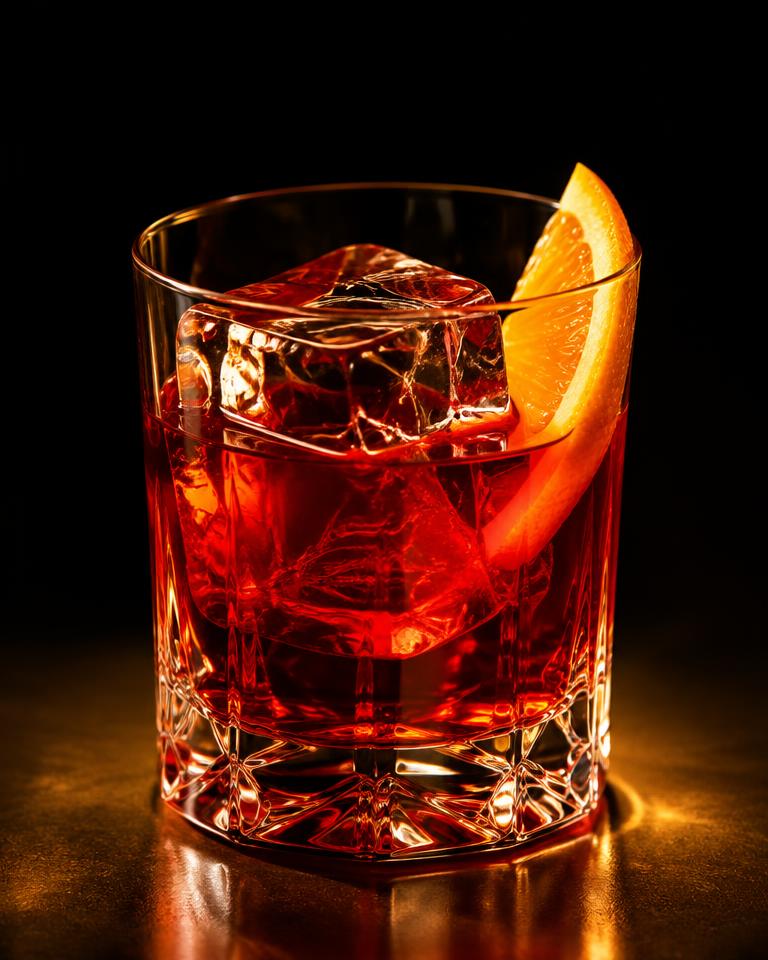 Gin
Negroni
Equal parts gin, Campari and sweet vermouth — bittersweet and assertive.
 Whiskey
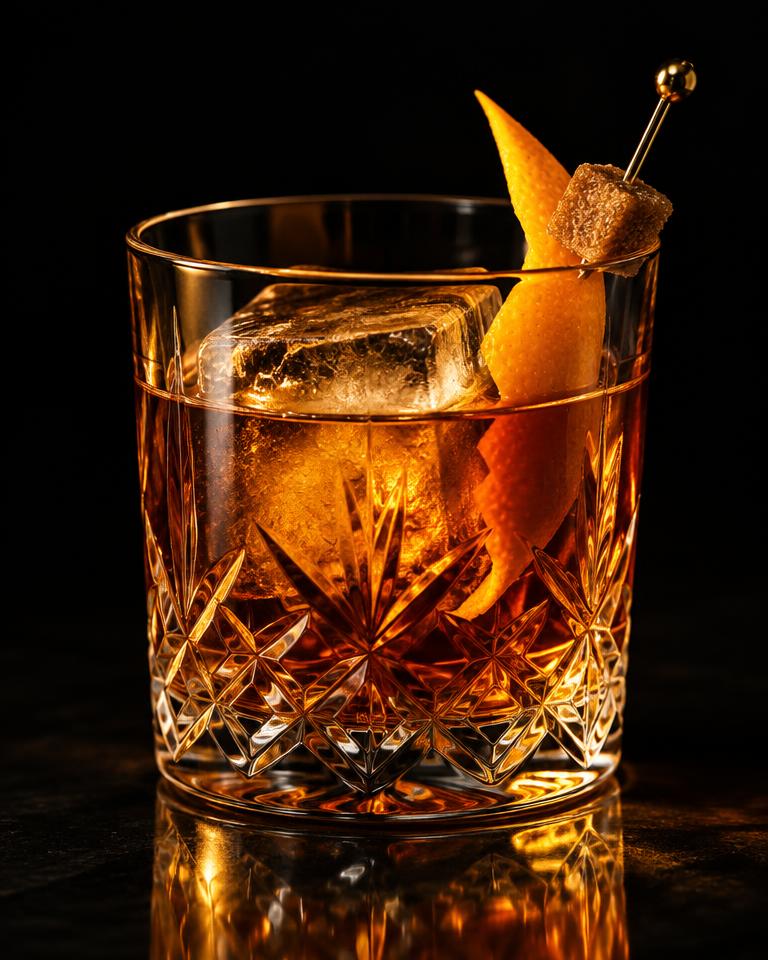
Old Fashioned
Whiskey, sugar, bitters and water — the original definition of a cocktail.
 Rum
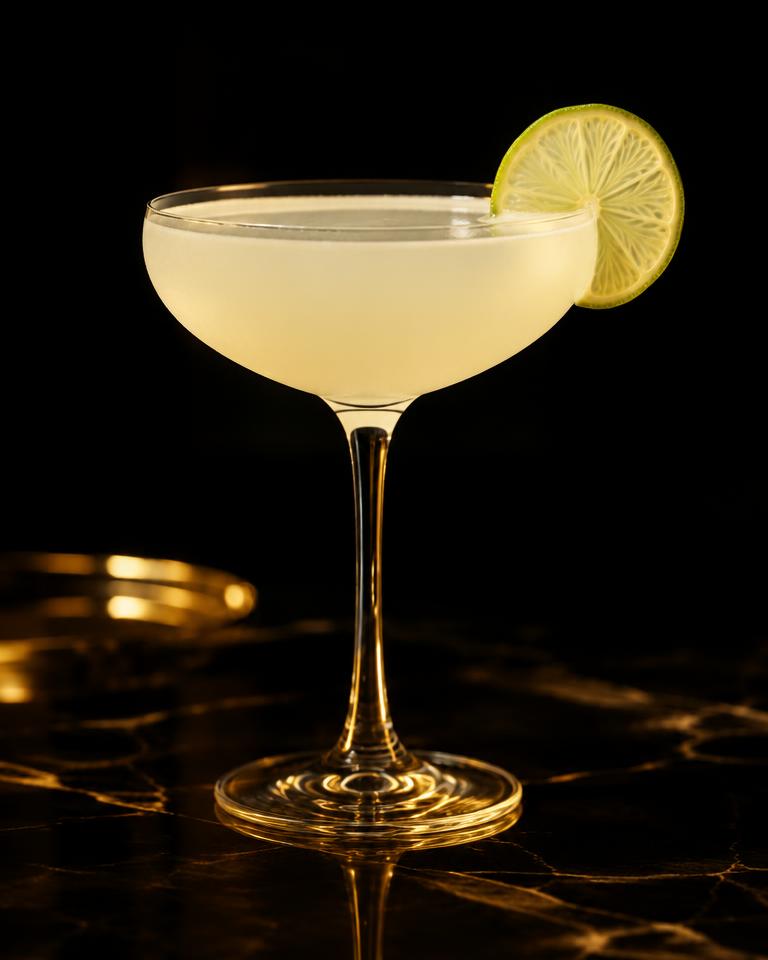
Daiquiri
White rum, lime and sugar — a bartender's benchmark of balance.
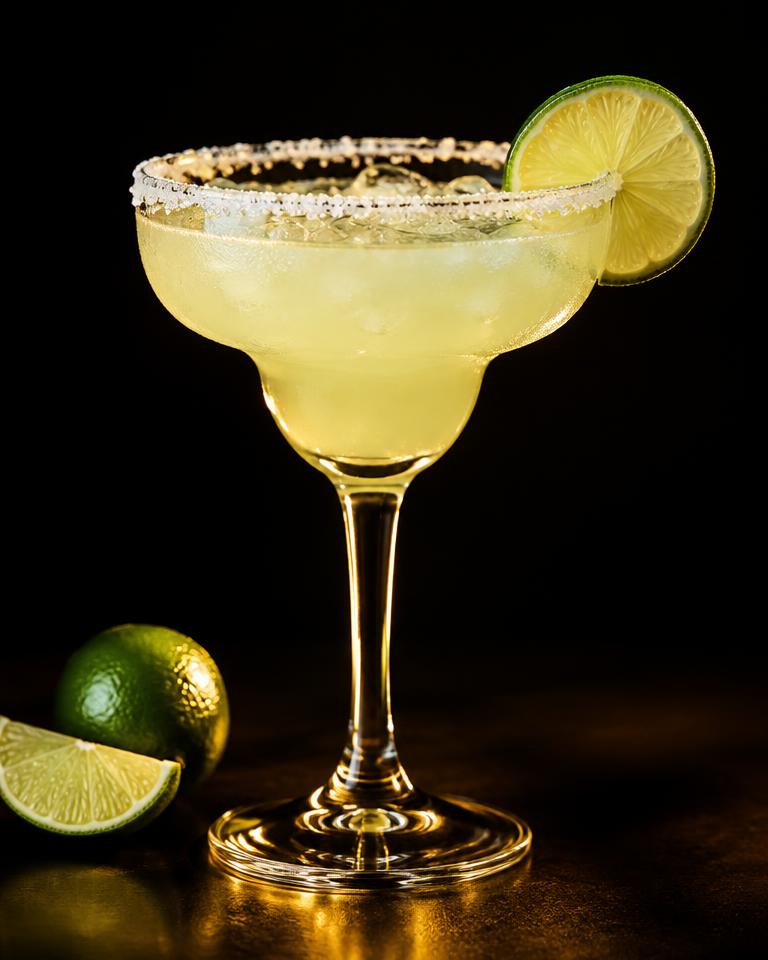 Tequila
Margarita
Tequila, orange liqueur and lime with a salted rim.