

Bar Knowledge
Inventory, Purchasing & Serving Cost
Tracking par stock, FIFO/FEFO, waste, recipe costs and count discrepancies.
01
Par stock and purchasing
Par stock is the target quantity needed for service. Set it using sales history, delivery lead time, events and product life. Use actual sales rather than assumptions about nationality or gender. Overbuying short-life ingredients creates waste; compare orders with usable stock on hand.
02
FIFO and FEFO
FIFO uses the first received stock first; FEFO prioritizes the earliest expiry. Dates and safety limits take priority with fresh products. Check quantities, packaging, temperature and damage at delivery. Opened bottles and prep containers need traceability; unidentified mixtures are not usable stock.
03
Calculating serving cost
Multiply each ingredient's unit cost by recipe quantity and add all components and garnish. Juice costing needs extraction yield and waste, not only fruit purchase price. Divide batch cost by usable yield. Selling price also depends on tax, labor and house policy; no universal ratio applies.
04
Interpreting count discrepancies
Compare opening stock, purchases, transfers, sales and waste. Discrepancies may reflect measurement, breakage, training or missing records rather than misconduct alone. Count regularly with one method. Use findings to improve processes and share records with the responsible team.
05
Portion cost, theoretical usage and waste
Divide bottle cost by usable volume for cost per ml: a 700 ml bottle costing 700 units gives a 50 ml portion cost of 50 units. Include liqueurs, syrup, fruit, garnish and measurable prep losses. Fruit purchase weight differs from juice yield; measure actual extraction before pricing. Taxes and overhead require separate local accounting.
Theoretical usage is servings sold multiplied by recipe quantity. Actual differences can arise from spills, comps, breakage, mismeasurement and unrecorded service; investigate before assigning blame. Par levels depend on demand, lead time and safety stock without overproducing perishable prep. FEFO prioritizes expiry, FIFO arrival; neither permits expired product. Count consistently at the same time and in the same units.
Related cocktails
Related cocktails Gin
Negroni
Equal parts gin, Campari and sweet vermouth — bittersweet and assertive.
 Whiskey
Old Fashioned
Whiskey, sugar, bitters and water — the original definition of a cocktail.
 Rum
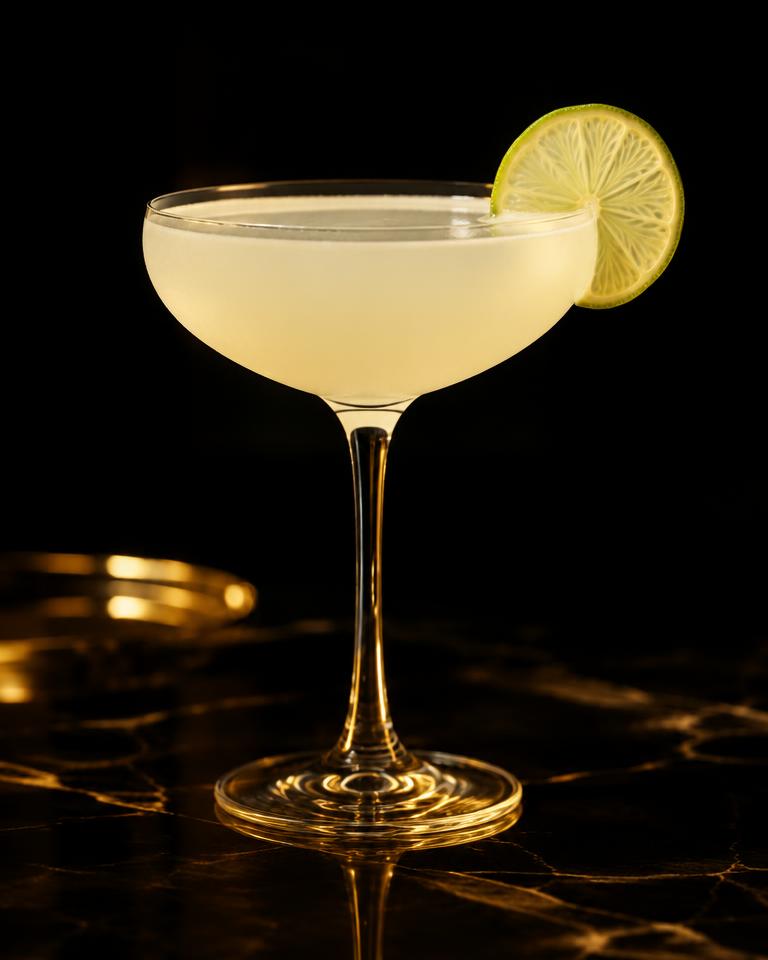
Daiquiri
White rum, lime and sugar — a bartender's benchmark of balance.
 Tequila
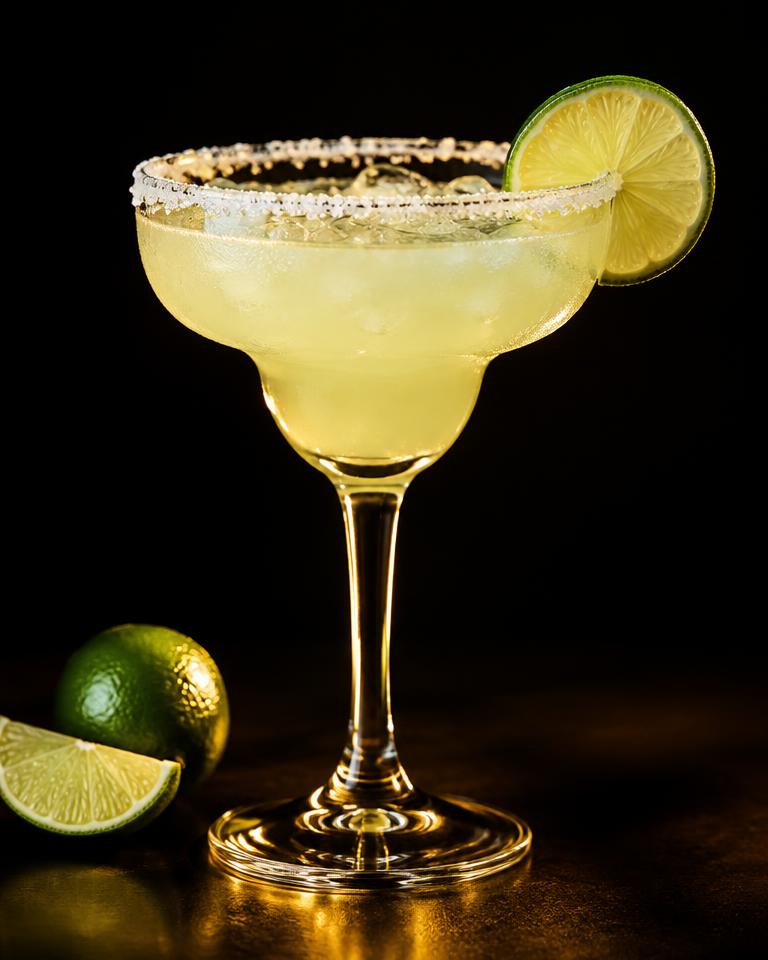
Margarita
Tequila, orange liqueur and lime with a salted rim.