
Bar Knowledge
International Pour Measures
Ounce conversions, regional pours and alcohol calculations.
01
Serving size differs from a unit
An ounce is a unit; single and double are serving labels that depend on location and venue. A standard-drink definition is different again and is not a safe-consumption allowance.
02
Volume conversions
US and Imperial fluid ounces differ. Cocktail oz usually refers to the US system; confirm the source when unclear.
| 1 US fl oz | 29.5735 ml |
| 1.5 US fl oz | 44.3603 ml |
| 2 US fl oz | 59.1471 ml |
| 1 Imperial fl oz | 28.4131 ml |
| 2 cl | 20 ml |
| 5 cl | 50 ml |
03
Regional practices
These are example practices, not universal national legal quantities. Great Britain has serving rules for specified spirits; verify current local law.
| Great Britain | 25 or 35 ml; multiples | Rules for specified spirits |
| USA | 1.5 fl oz ≈ 44 ml | Common; venue-dependent |
| Germany | 2 or 4 cl | Common, not universal |
| Türkiye | Some venues use 4–5 cl singles | Confirm product and venue standard |
04
Ethanol calculation
Ethanol volume = serving ml × ABV / 100. A 50 ml pour at 40% contains 20 ml ethanol, about 15.8 g using approximately 0.789 g/ml density. Include liqueur and vermouth separately. Dilution lowers concentration, not total ethanol.
Related cocktails
Related cocktails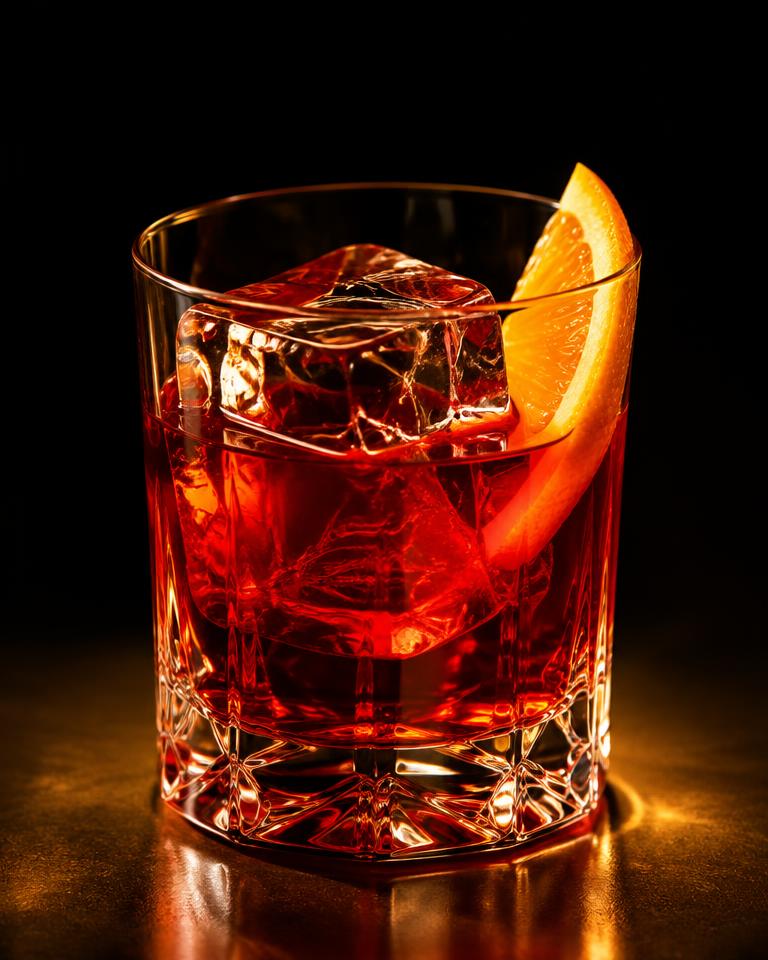 Gin
Negroni
Equal parts gin, Campari and sweet vermouth — bittersweet and assertive.
 Whiskey
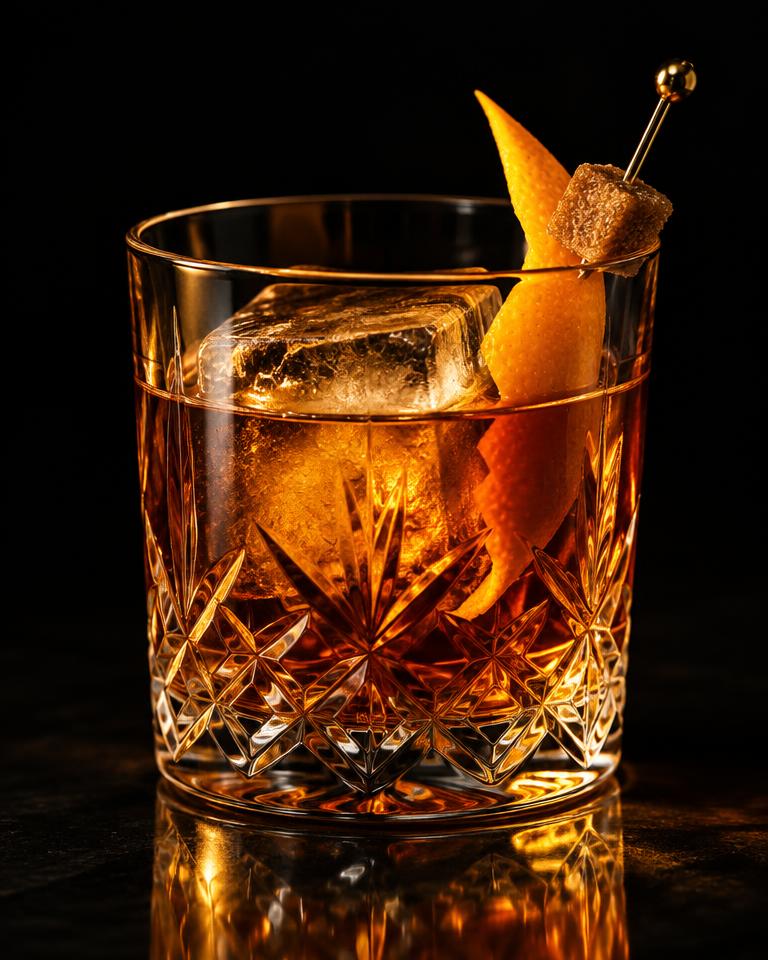
Old Fashioned
Whiskey, sugar, bitters and water — the original definition of a cocktail.
 Rum
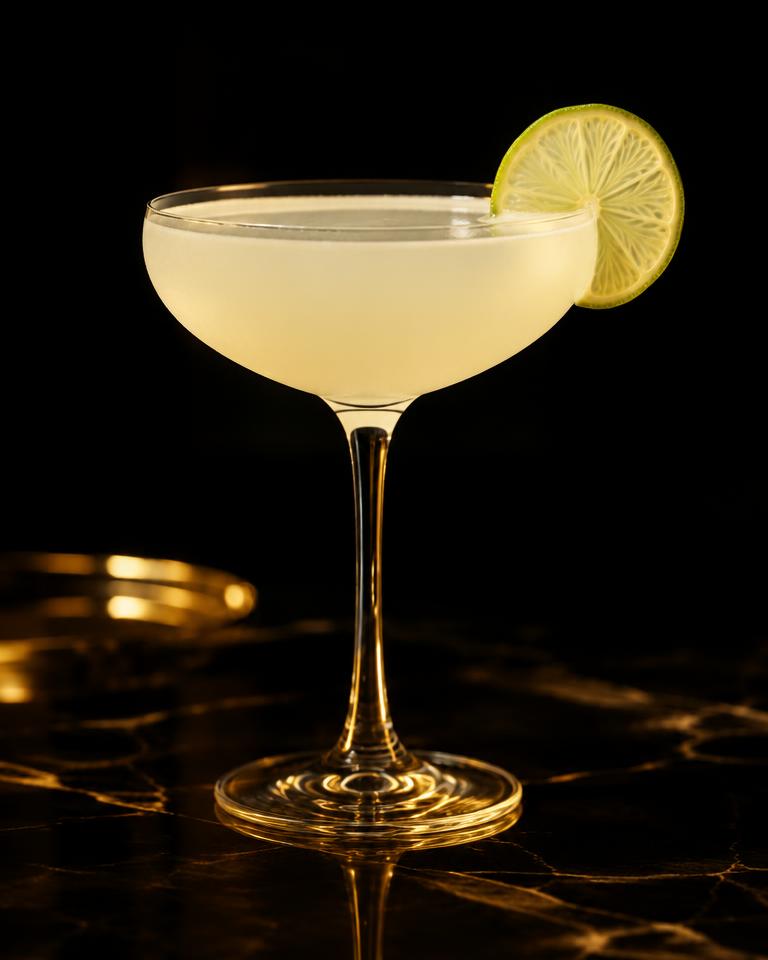
Daiquiri
White rum, lime and sugar — a bartender's benchmark of balance.
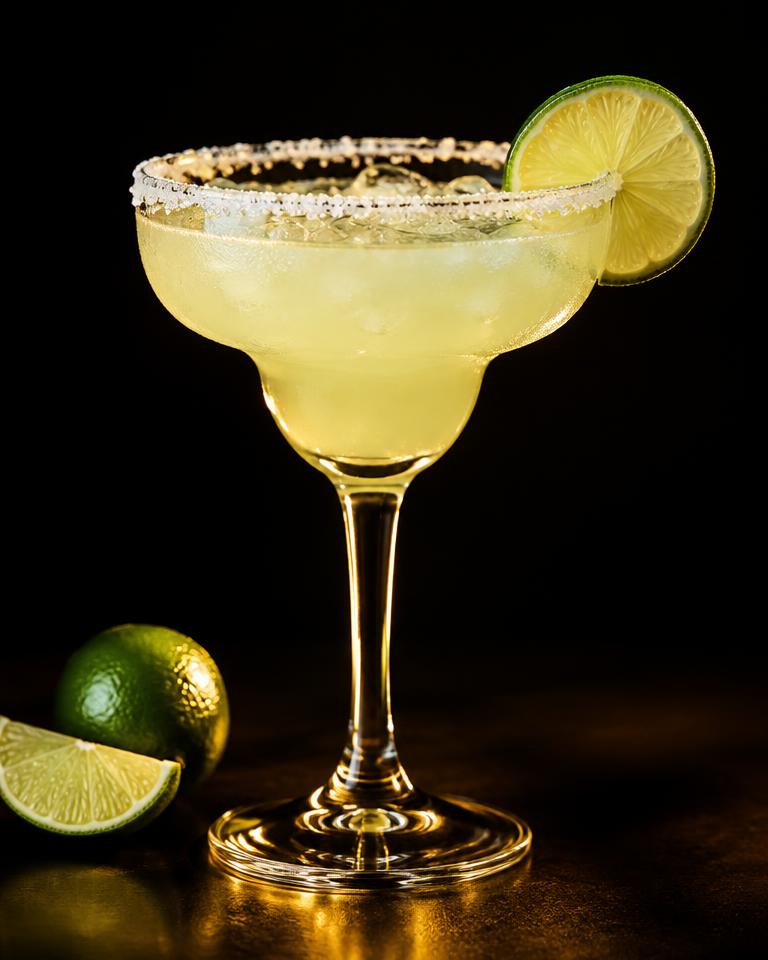 Tequila
Margarita
Tequila, orange liqueur and lime with a salted rim.