
Mixology & Technique
Cocktail Families & Recipe Development
Developing original recipes systematically from sour, old fashioned, highball, fizz and punch structures.
01
Classifying by structure
Sours combine base, acid and sweetener; old fashioneds base, sweetener and bitters; highballs base and a long mixer; punches offer multi-ingredient, often shared structures. Fizz and Collins styles can differ in bubbles, ice and service. These families are working templates, not rigid boxes for every historical recipe.
02
Defining the target
Write the main aroma, alcohol level, texture and service context first. Begin with one leading ingredient and a few supports. Adding a liqueur can change sugar and alcohol simultaneously. Design within guest preferences and equipment capacity; more ingredients do not make a better drink.
03
Controlled small trials
Keep base and method fixed while adjusting acid or sweetener incrementally. Record brand, measure, ice, time, glass and garnish. Compare the first sip with later balance. Ask another team member to reproduce a successful trial; a recipe that cannot be repeated is not standardized yet.
04
Before adding it to a menu
Check serving cost, allergens, supply continuity, preparation and service time. If out-of-season fruit has no suitable equivalent, revise the formula. Describe the base and dominant flavor accurately. Do not promise health, detoxification or miraculous effects; verify that an alcohol-free version really is alcohol-free.
05
Sour, fizz and Old Fashioned frameworks
Sours combine base, acid and sweetener; Daiquiri, Margarita and Whiskey Sour apply this logic differently. Margarita's liqueur adds sugar and aroma as well as volume. A fizz lengthens a sour structure with carbonation. A Collins serves related ingredients in a longer, usually iced format. An Old Fashioned foregrounds spirit with limited sugar, water and bitters.
Start development by choosing a family, glass, temperature, texture and serving volume. Change one variable and keep comparative notes. Substitute by function, not name: dry vermouth does not replace sweet vermouth's sugar contribution, and white crème de menthe is not equivalent to herbal amaro. Test repeatability with multiple bartenders, including losses, garnish and allergens. Label editorial variations distinctly from historical standards or official specifications.
Related cocktails
Related cocktails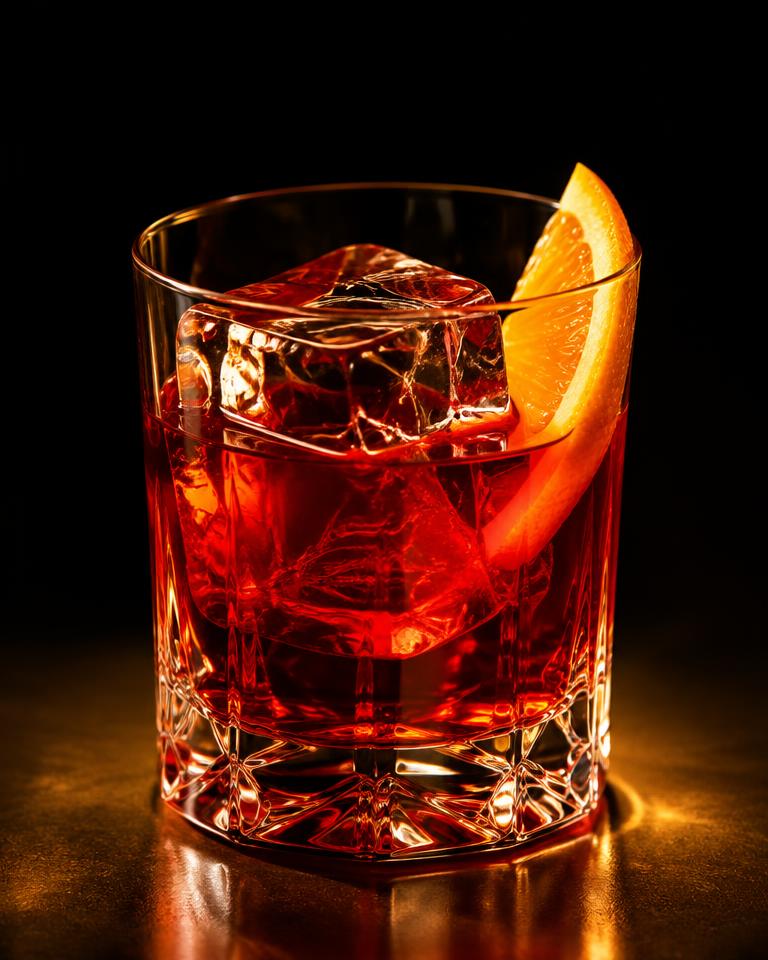 Gin
Negroni
Equal parts gin, Campari and sweet vermouth — bittersweet and assertive.
 Whiskey
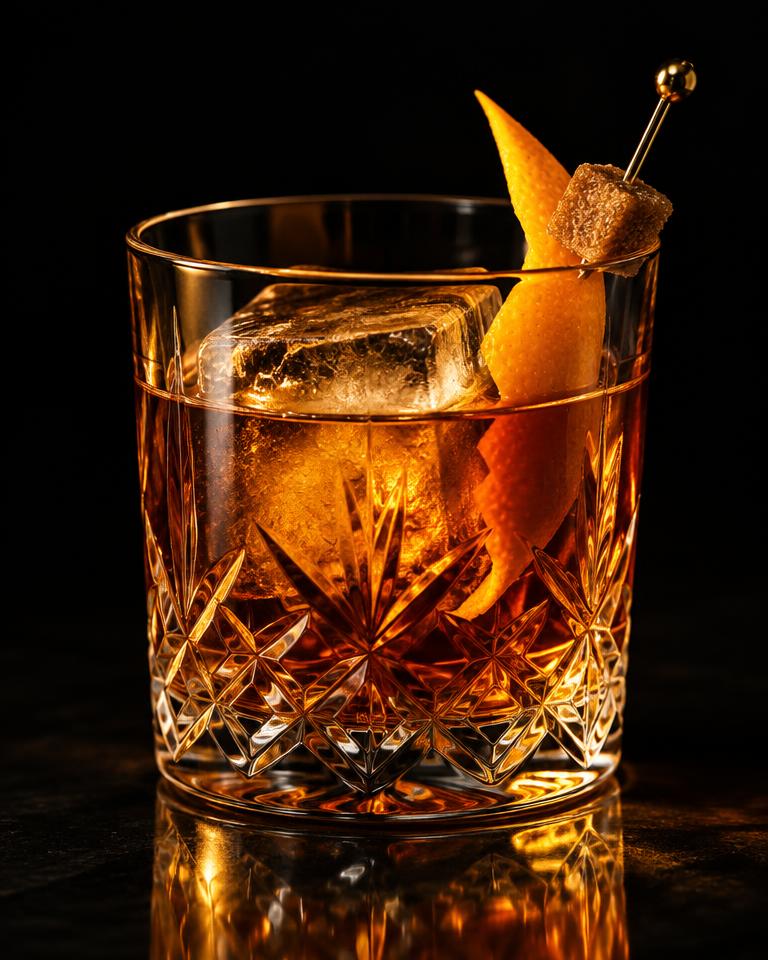
Old Fashioned
Whiskey, sugar, bitters and water — the original definition of a cocktail.
 Rum
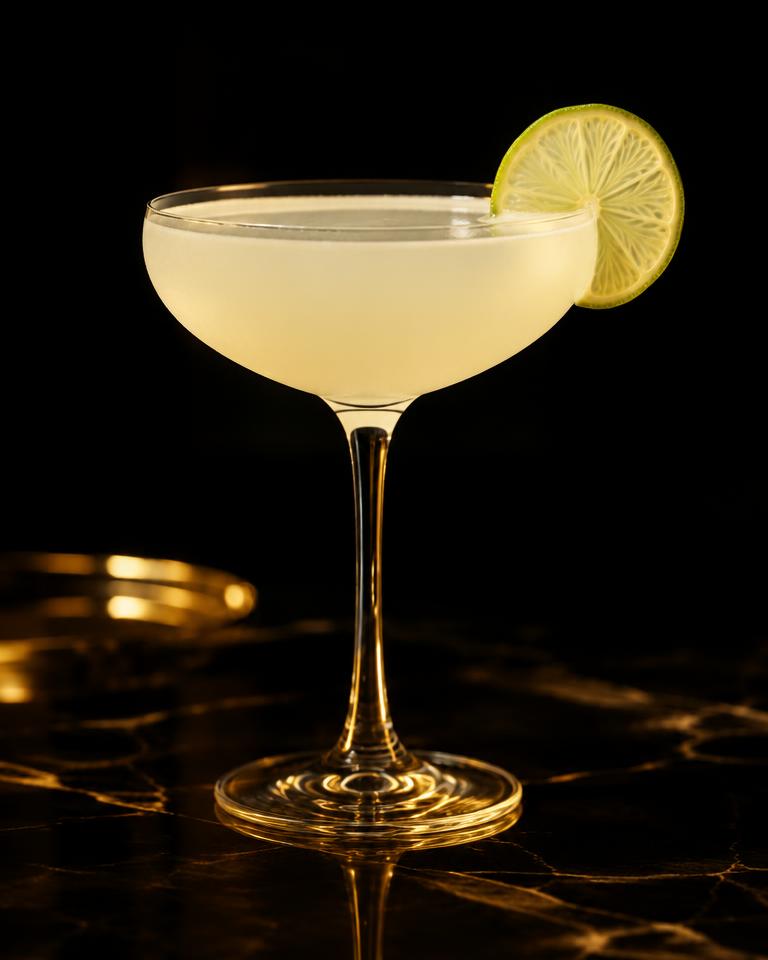
Daiquiri
White rum, lime and sugar — a bartender's benchmark of balance.
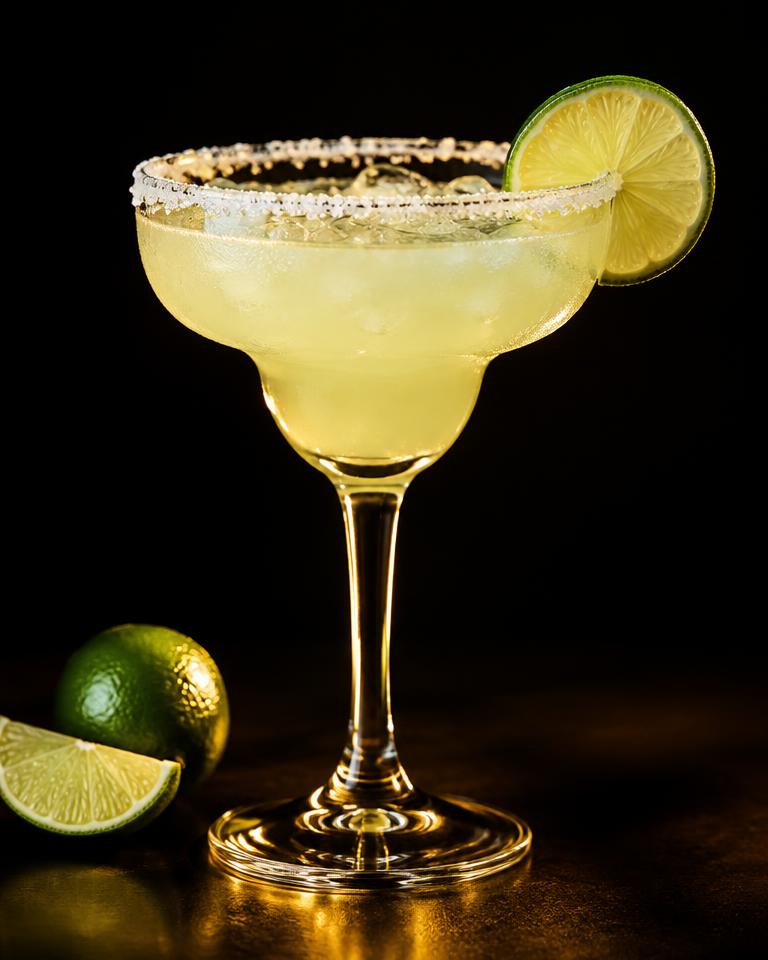 Tequila
Margarita
Tequila, orange liqueur and lime with a salted rim.