
Bar Knowledge
Cordials
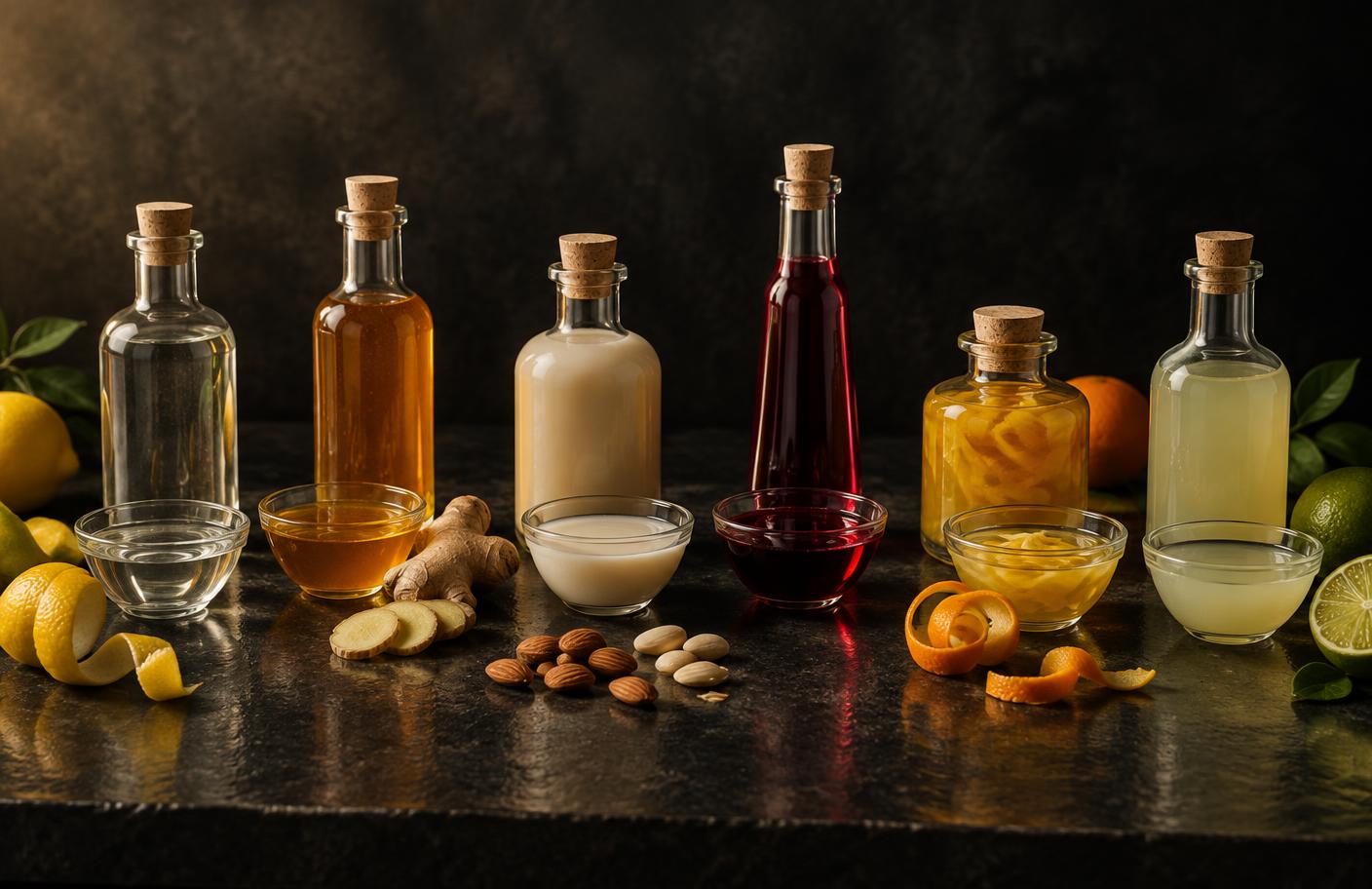
Fresh lime cordial plus five measured craft cordials — acid base, lemon, peach-cinnamon-thyme, passion fruit and elderflower — with technique, cocktail use and storage.
01
Fresh lime cordial
Combine the finely grated zest of four washed limes with 200 g sugar and rest refrigerated for two hours. Add 200 g hot water, stir, cool, then add 150 g freshly strained lime juice and 2 g citric acid. Strain again and bottle.
02
What a cordial is
A cordial is a concentrated mixture that brings aroma, sweetness and acidity to a cocktail. Weigh ingredients in grams wherever possible and balance every new batch by testing a small amount inside the actual drink.
- Peel citrus without the bitter white pith.
- Fine straining improves clarity and mouthfeel.
- Label every bottle with name and preparation date.
- Fruit ripeness and acidity vary — set the final taste inside the cocktail.
03
1. Acid cordial base
Yield: about 1 kg. This base gives pronounced acidity; changing the acid types and ratios changes the flavour balance. Stir water and sugar in a clean container until fully dissolved, add salt and the three acids and stir until clear, then bottle, seal and label.
Use: flavour it with citrus peel, fruit, tea or herbs. Add to cocktails in small doses and balance. Storage: sealed in the refrigerator; small batches used quickly work best.
- White sugar — 500 g
- Filtered water — 500 g
- Sea salt — 5 g
- Citric acid — 10 g
- Tartaric acid — 10 g
- Malic acid — 10 g
04
2. Lemon cordial
Yield: based on about 500 g of base. Combine everything with the acid cordial base, vacuum-seal and hold in a sous-vide bath at 40 °C for 30 minutes, then fine strain into a clean bottle. Without sous-vide equipment, do not improvise temperature or time.
Use: try it in gin, vodka and tequila drinks for citrus aroma; set the dose inside the cocktail. Storage: refrigerated in a clean, sealed bottle; use quickly and discard at any sign of spoilage.
- Acid cordial base — 500 g
- Lemon peel (yellow only) — 75 g
- Pink grapefruit peel — 25 g
- Lemon verbena leaf — 2.5 g
- Earl Grey tea — 2.5 g
05
3. Peach, cinnamon & thyme cordial
Yield: based on about 500 g of base. Slice the peach, combine everything with the base, vacuum-seal and hold sous-vide at 60 °C for 30 minutes, then fine strain into a clean bottle.
Use: builds a fruity-spiced layer in bourbon, rum and vodka drinks and in soda-based alcohol-free serves. Storage: sealed and refrigerated; make small batches and never use it at any sign of spoilage.
- Acid cordial base — 500 g
- Fresh peach slices — 250 g
- Cinnamon stick — 20 g
- Black tea — 2 g
- Fresh thyme — 3 g
06
4. Passion fruit cordial
Yield: about 1.2 litres; final yield may vary. Stir sugar and water over medium heat until dissolved, add passion fruit pulp and citric acid, bring just to the boil and remove from the heat. Cool, then bottle. Use a precision scale rather than a teaspoon for more repeatable acid.
Use: try it in rum, vodka and tequila drinks and tropical sours; set extra lemon or lime by tasting, as fruit acidity varies. Storage: refrigerated; no fixed shelf life can be guaranteed for a homemade product — discard at any sign of spoilage.
- Granulated sugar — 880 g
- Water — 500 ml
- Passion fruit pulp — 250 ml
- Citric acid — 1 teaspoon
07
5. Elderflower & lemon cordial
Yield: about 4 litres. Gently heat sugar and water until dissolved and switch off as it reaches the boil. Peel and slice the lemons; check the flowers carefully and add them to the syrup with the lemon, peel and citric acid. Cover and steep for 24 hours, then strain through clean fine cloth or a filter into properly sterilised bottles.
Use: dilute with soda or sparkling water; use in gin, vodka and sparkling drinks for floral aroma. Start with 1 part cordial to 5 parts water. Storage: refrigerate or freeze in suitable containers. Use only correctly identified, edible flowers.
- White sugar — 2.5 kg
- Water — 1.5 litres
- Unwaxed lemons — 2
- Fresh elderflower heads — 20
- Citric acid — 85 g
08
Storage and food safety
Keep cordials refrigerated in clean, properly sterilised bottles. Shelf life of homemade products depends on hygiene, acidity, sugar ratio and preparation conditions. Do not consume if there is mould, fizzing, unexpected aroma or signs of fermentation. Long room-temperature storage or commercial sale requires a separate food-safety assessment.
Related cocktails
Related cocktails Gin
Negroni
Equal parts gin, Campari and sweet vermouth — bittersweet and assertive.
 Whiskey
Old Fashioned
Whiskey, sugar, bitters and water — the original definition of a cocktail.
 Rum
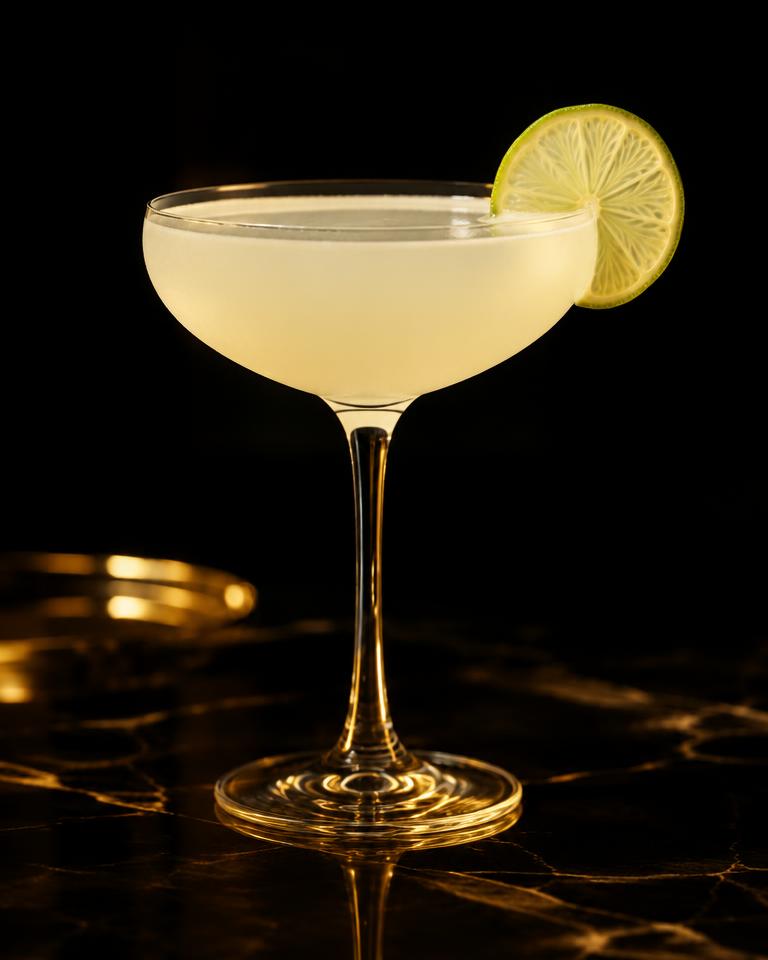
Daiquiri
White rum, lime and sugar — a bartender's benchmark of balance.
 Tequila
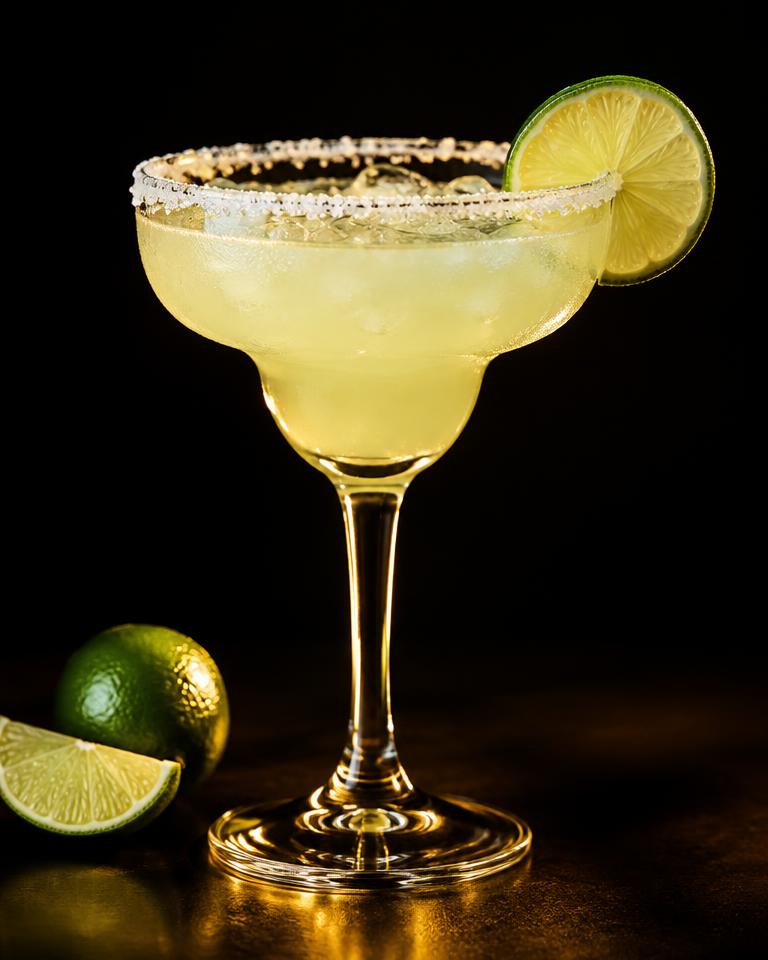
Margarita
Tequila, orange liqueur and lime with a salted rim.