
Mixology & Technique
Bitters, Tinctures & Infusion
Dosing concentrated flavor, extracting aromas and selecting safe ingredients.
01
Bitters versus bitter liqueurs
Aromatic cocktail bitters are concentrated additions used in small measures. Amaro and bitter aperitivo are potable products used at larger volumes. Aromatic, orange and Peychaud's styles offer different profiles. Matching color does not guarantee equivalent flavor; the goal is integration, not masking.
02
Measuring dashes and tinctures
Dash size varies with dispenser, fill level and movement; use a dropper or measured transfer for precision. Tinctures usually emphasize one or a few flavors, whereas bitters may combine aroma and bitterness. Label service bottles with contents, date and alcohol information. A small extra dose can be noticeable.
03
How infusion works
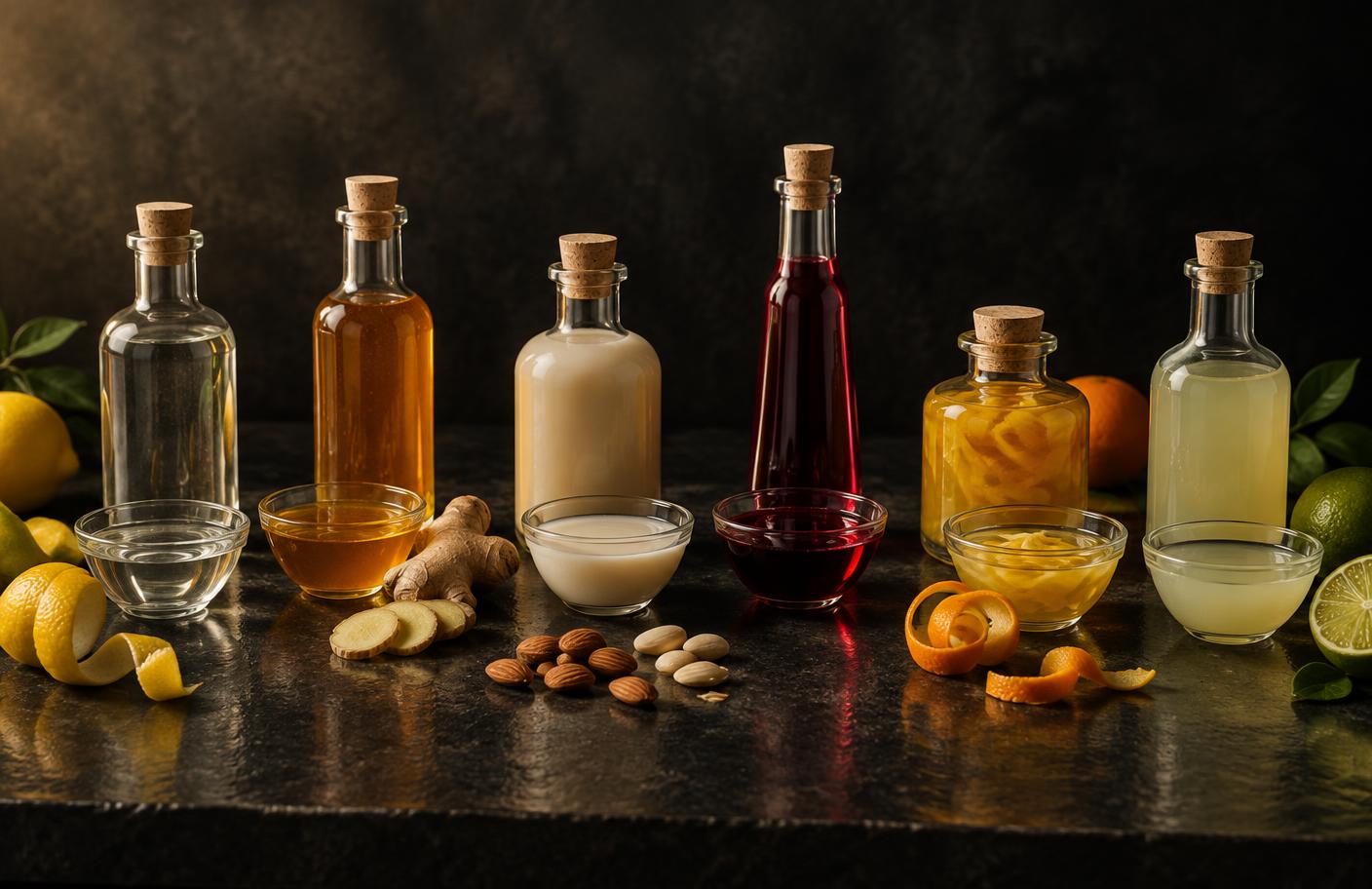
Food-safe fruit, tea or spices can transfer flavor into a suitable liquid through steeping. Ratio, time, temperature and strength affect extraction. Longer is not always better: tannin and bitterness may increase. Start small, strain after controlled checks and record conditions for the next trial.
04
Botanical and alcohol safety
Do not use unknown wild plants, toxic roots, essential oils or industrial alcohol. Similar plant names do not establish safe identification; read botanical lists critically. Heating alcoholic mixtures at home creates fire risk. For fresh-ingredient infusions follow cold storage and food-safety plans; alcohol does not automatically guarantee preservation.
05
Extraction trials and dropper calibration
Define a tincture by ingredient mass, solvent volume and steeping time. Fresh peel and dry spice extract at different rates. Small labeled trials tasted at intervals produce more consistent results than forgotten long infusions. Unknown plants, toxic species and non-food essences are not cocktail ingredients. Commercial bitters do not establish the safety of an improvised herbal preparation.
Dash volume changes with bottle fill, spout and movement. Calibrate droppers through repeated small measures and record bottle type. Aromatic bitters usually act as concentrated seasoning; potable bitter products such as Campari or amaro are structural ingredients at larger volumes. Verify alcohol on labels for alcohol-free recipes. A small dose does not automatically justify a zero-alcohol claim.
Related cocktails
Related cocktails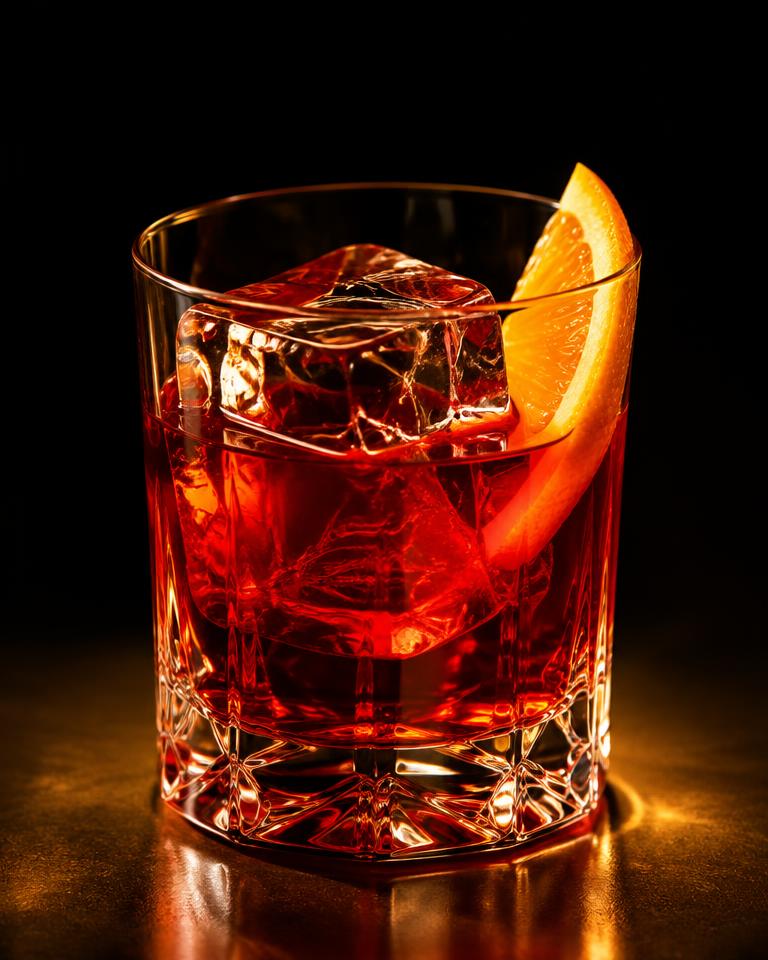 Gin
Negroni
Equal parts gin, Campari and sweet vermouth — bittersweet and assertive.
 Whiskey
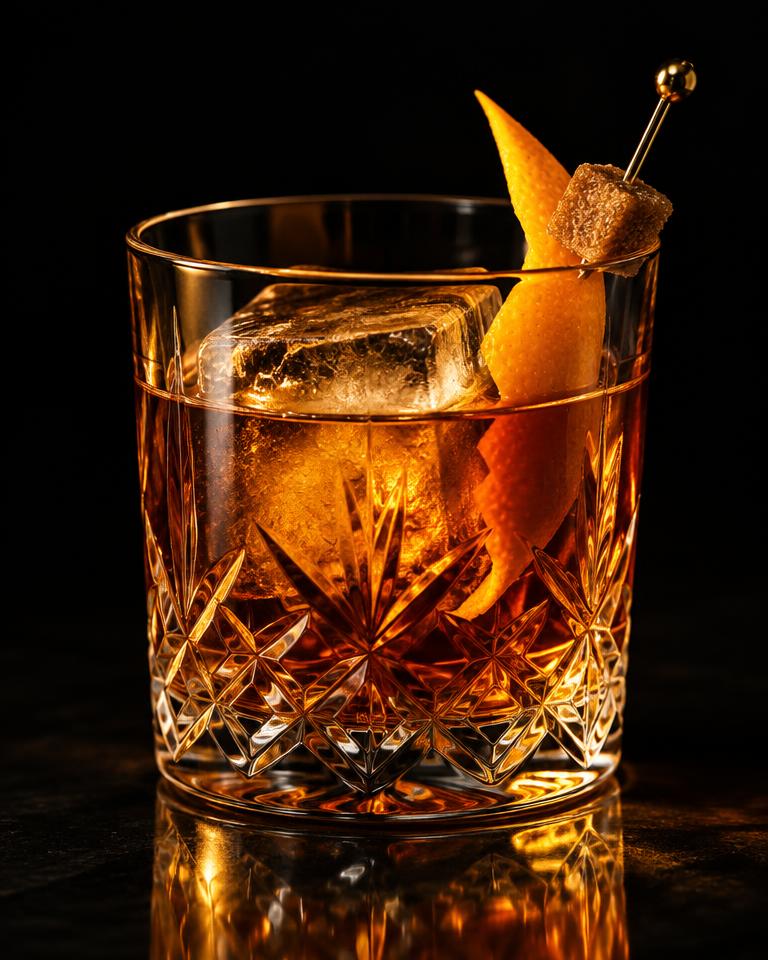
Old Fashioned
Whiskey, sugar, bitters and water — the original definition of a cocktail.
 Rum
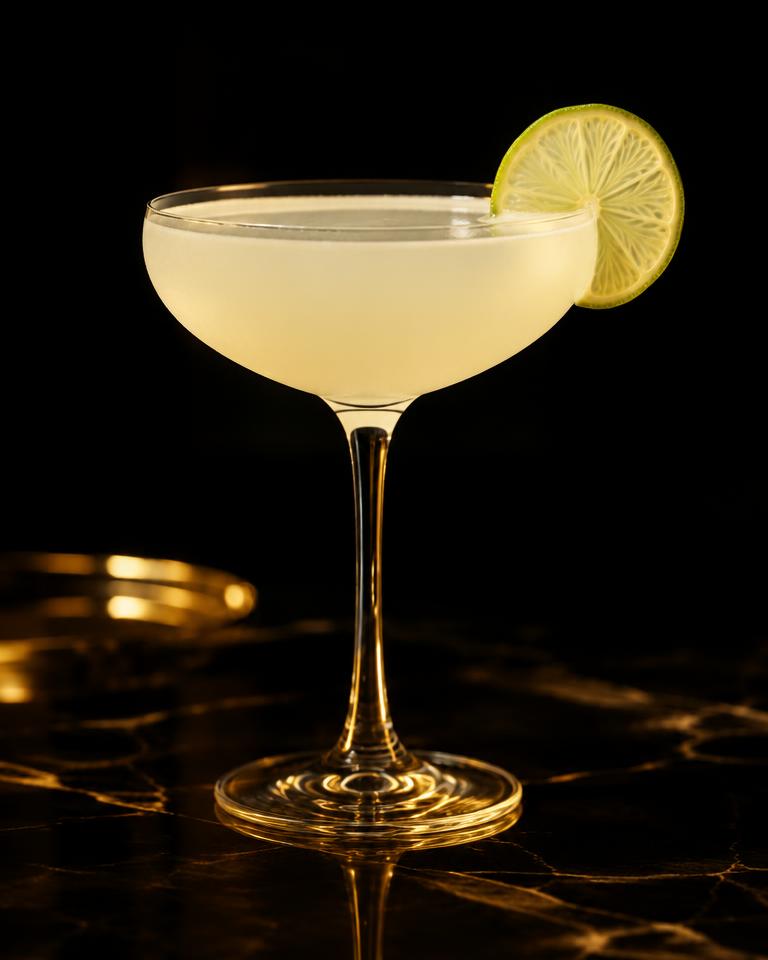
Daiquiri
White rum, lime and sugar — a bartender's benchmark of balance.
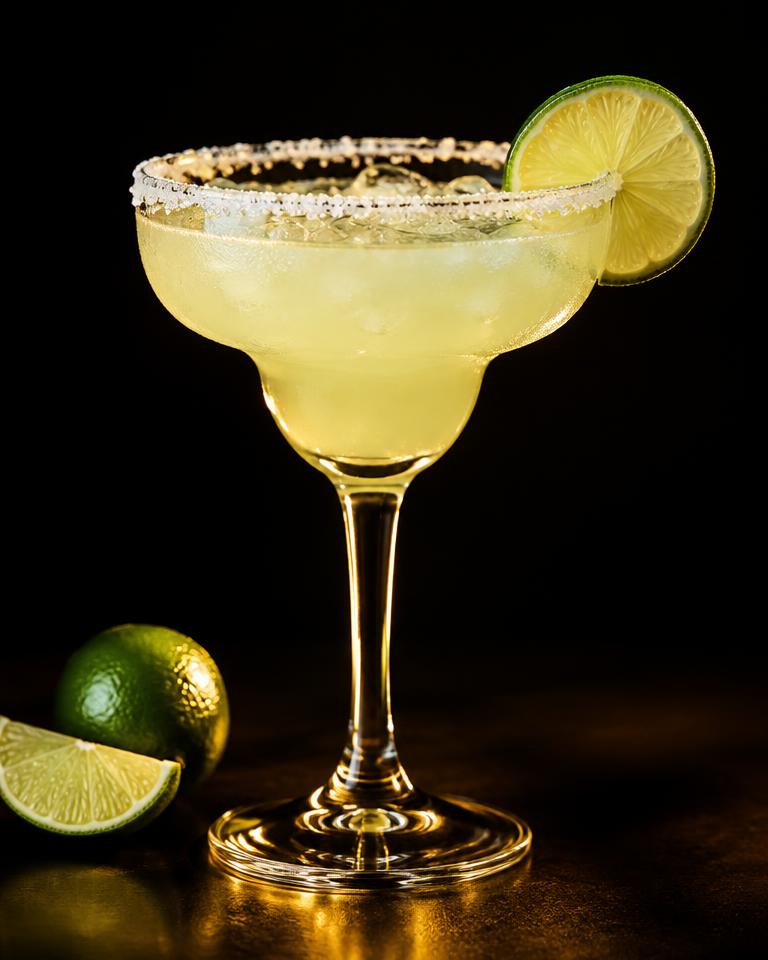 Tequila
Margarita
Tequila, orange liqueur and lime with a salted rim.