
Bar Knowledge
Bar Literature & Historical Pioneers
From Jerry Thomas to modern bar books: researching recipes, comparing origins and citing sources.
01
Early recipe books
Jerry Thomas's 1862 work and Harry Johnson's manuals are often consulted for early recipes and professional standards. Recording a drink is not the same as inventing it. Measures can change between editions; record title, edition and date together.
02
Hotel bars and the twentieth century
Ada Coleman, Harry Craddock and Charles H. Baker Jr. are associated with distinct bar and travel traditions. Donn Beach and Trader Vic are important in tiki history, though some recipe origins remain disputed. Lists of names are not definitive rankings. Read recipes in their period, venue and source context.
03
Comparing contemporary sources
IBA specifications, producer technical information and reputable bar publications serve different purposes. IBA may offer a contemporary recipe reference rather than the only historical truth. Bülent Sefer's book offers a subject framework; older health, technical and regulatory claims need current checks.
04
Building a source list
Include title, author, edition or page where available, and reliable links. Use original explanations and clear attribution rather than republishing full text. Show uncertainty in competing origin claims. A technique's historical use does not establish that it is safe today.
05
Translating an old recipe into a modern glass
Jerry Thomas's 1862 book, Harry Johnson's professional manual and Harry Craddock's 1930 Savoy collection serve different periods and purposes. Measures such as pony, wineglass and spoon are not automatically equivalent to modern jigger marks. Identify edition and measurement system before adapting; later additions should not inherit the first edition's publication date.
Historical products can differ in strength and sugar from current namesakes. Distinguish historical adaptations from current official recipes and separate written records, venue accounts and repeated legends. Coleman, Don the Beachcomber and modern revival figures contributed in distinct contexts. A pioneer portrait should explain contributions to technique, hospitality and recipe circulation rather than portray a flawless sole inventor.
Related cocktails
Related cocktails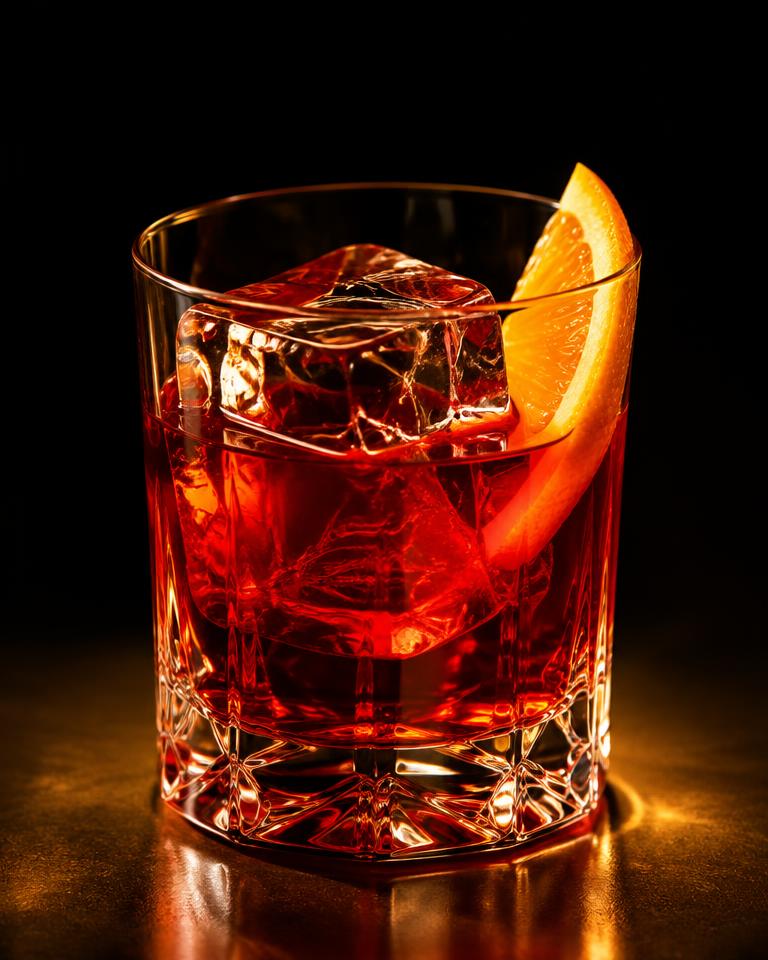 Gin
Negroni
Equal parts gin, Campari and sweet vermouth — bittersweet and assertive.
 Whiskey
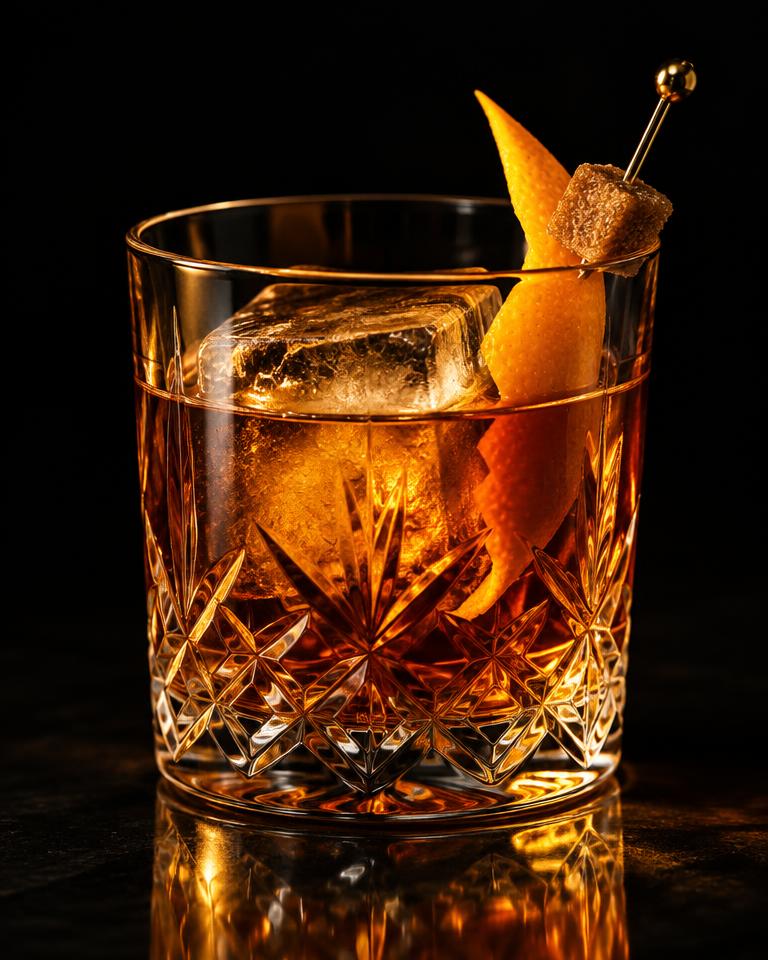
Old Fashioned
Whiskey, sugar, bitters and water — the original definition of a cocktail.
 Rum
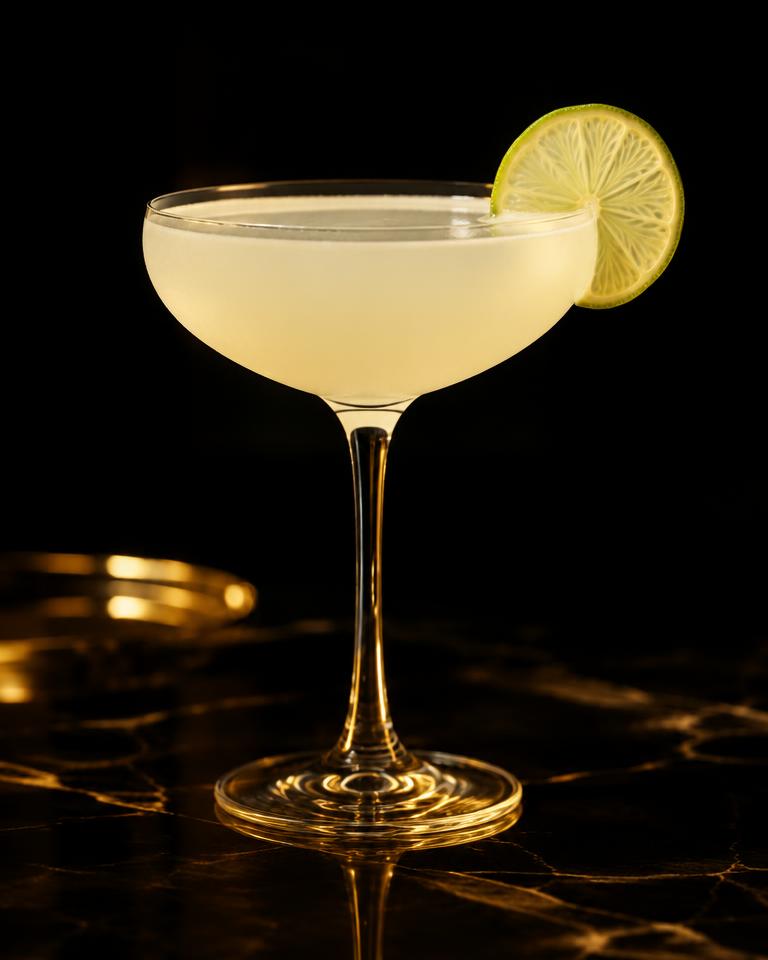
Daiquiri
White rum, lime and sugar — a bartender's benchmark of balance.
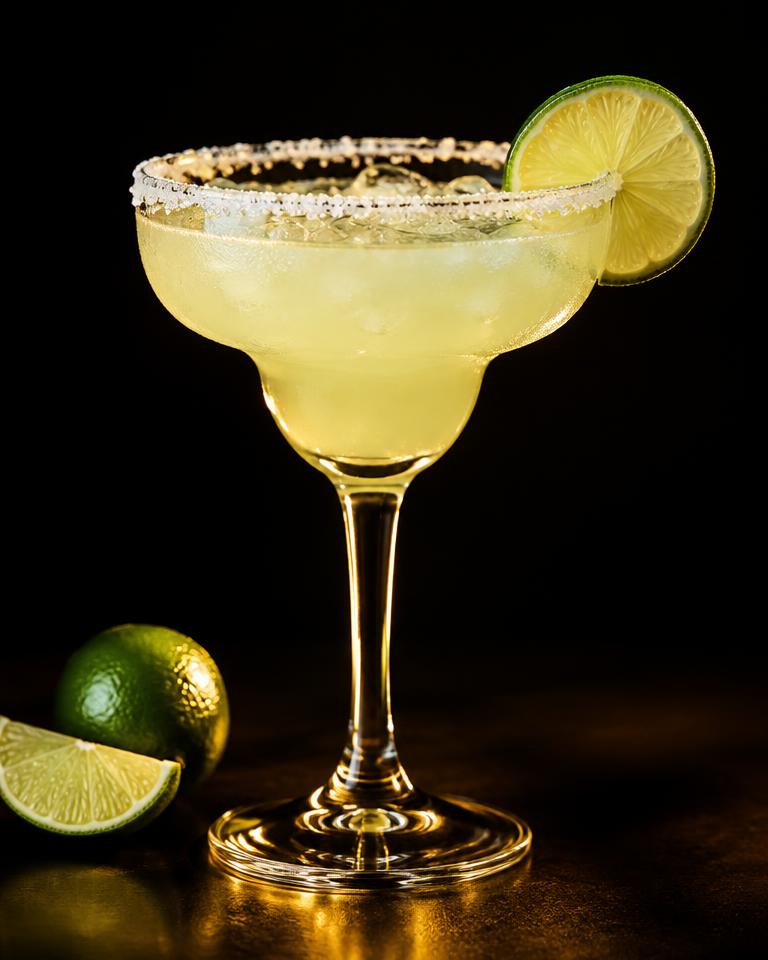 Tequila
Margarita
Tequila, orange liqueur and lime with a salted rim.