
Mixology & Technique
Citrus Acidity & Brix Table
Read pH, titratable acidity and sugar concentration as distinct measurements.
01
Three different measurements
pH describes hydrogen-ion activity, titratable acidity measures acid contribution by a defined method, and Brix gives sugar mass percentage in pure sucrose-water solutions. Fruit readings include other solids; alcoholic mixtures require correction. None independently proves balance or safe shelf life.
02
Typical citrus ranges
Ranges depend on variety, maturity, growing conditions and analytical method. Acidity is approximately grams of citric acid equivalent per 100 ml; these are not measurements of your batch.
| Lemon | 2.0–2.6 | 4–7 g/100 ml | Sharp acid |
| Lime | 2.0–2.8 | 4–8 g/100 ml | Acid and peel aroma |
| Orange | 3.0–4.2 | 0.5–1.5 g/100 ml | Fruit, sugar and milder acid |
| Grapefruit | 2.9–3.8 | 0.8–2.0 g/100 ml | Acid and bitterness |
03
Pure sucrose syrup ratios
Ratios are by mass and assume no water loss or other solids. Use cooled samples and a calibrated instrument.
| 1:2 | 100 g + 200 g | 33.3 |
| 1:1 | 100 g + 100 g | 50.0 |
| 2:1 | 200 g + 100 g | 66.7 |
04
From measurement to recipe
Taste a new fruit batch in a small recipe first. Do not automatically correct pH differences with equal acid masses; total acidity and aroma differ. Syrup substitution changes sugar mass and water as well as volume. Use food-grade acids with precise scales and recorded formulas.
Related cocktails
Related cocktails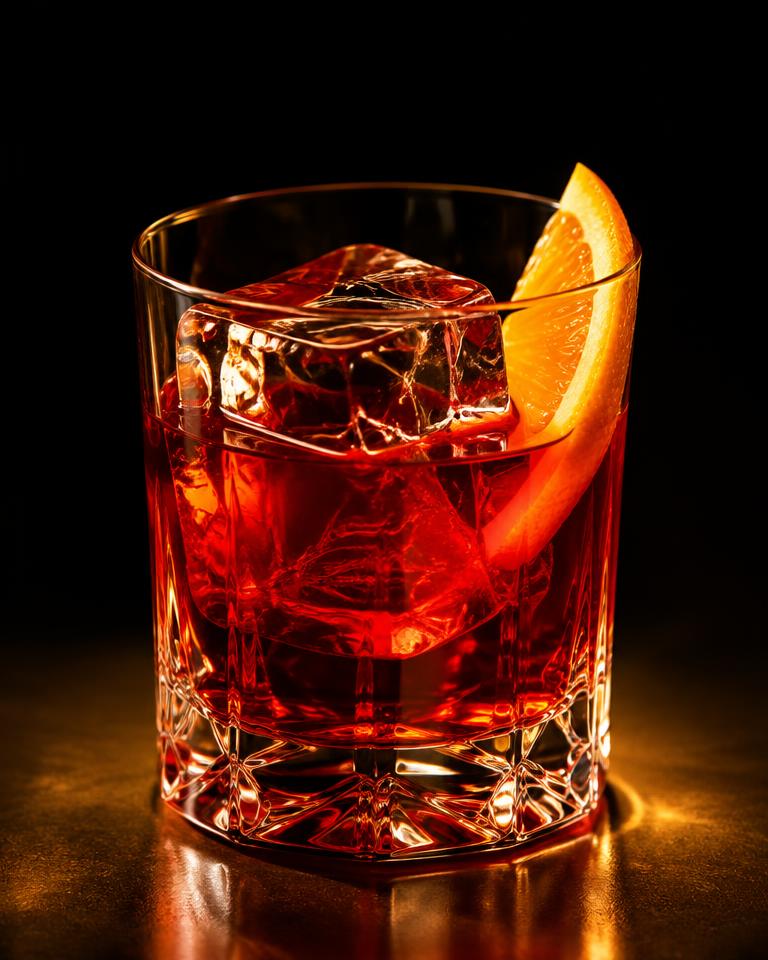 Gin
Negroni
Equal parts gin, Campari and sweet vermouth — bittersweet and assertive.
 Whiskey
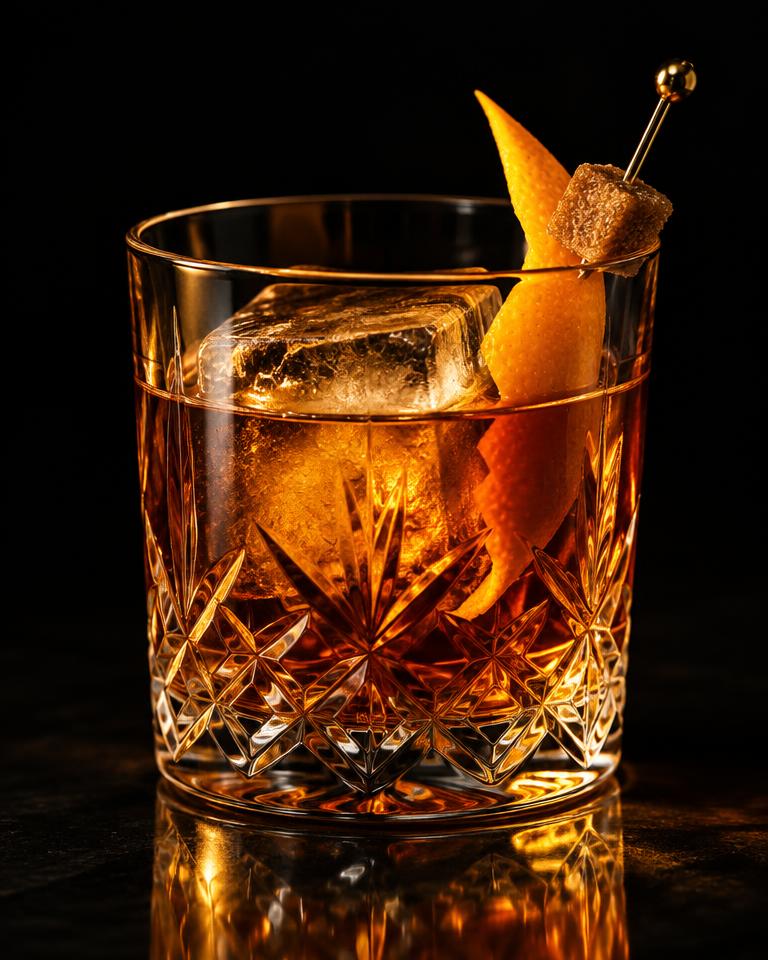
Old Fashioned
Whiskey, sugar, bitters and water — the original definition of a cocktail.
 Rum
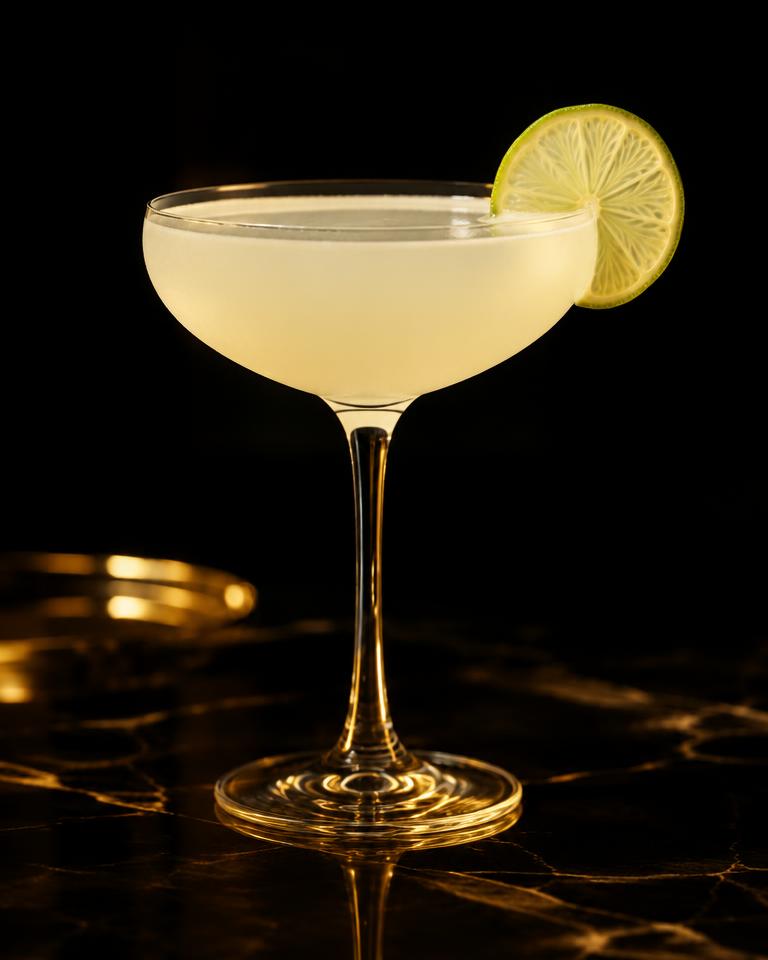
Daiquiri
White rum, lime and sugar — a bartender's benchmark of balance.
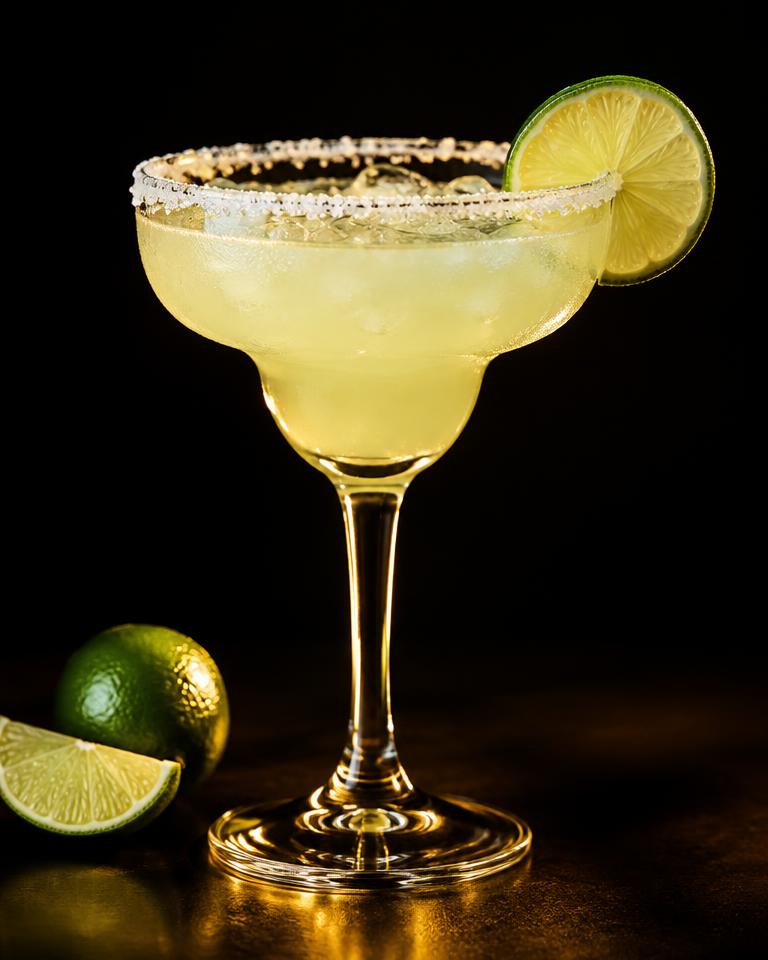 Tequila
Margarita
Tequila, orange liqueur and lime with a salted rim.