
Spirit Guides
Wine, Beer & Sake
Production differences, freshness and cocktail use in fermented beverages that are not distilled.
01
Distinguishing fermented families
Wine ferments fruit sugars, usually from grapes; beer converts grain starch to sugar before fermentation. In sake, koji converts rice starch while yeast produces alcohol. Sake is not a distilled rice vodka. These beverages differ from spirits in acidity, body and carbonation.
02
Styles and labels
Wine styles include dry or sweet and still or sparkling; beer varies in malt, hops, fermentation and body; sake differs through rice processing and production choices. Color alone does not reveal sugar or strength. Fortified wine contains added alcohol, while vermouth is also aromatized. Record actual strength and label information in formulas.
03
Preserving freshness and carbonation
Follow product-specific storage instructions: wine, beer and sake do not share one shelf life. Protect sparkling products with suitable closures and cold storage. Clean beer lines and taps are part of quality. Never shake a carbonated component in a sealed shaker; add it at service.
04
Cocktail use and allergens
Sparkling wine contributes acid and bubbles to spritzes and French 75-style drinks; beer supplies malt or bitterness to shandies; sake can provide a delicate aromatic base. Substitution changes carbonation as well as sugar and alcohol. Check sulfites and grain allergens. Fermented or low-alcohol does not mean alcohol-free; describe actual ingredients clearly.
05
Using three fermentation families in cocktails
Wine uses fruit sugars, beer converted grain starch and sake koji-assisted rice conversion. Sake is not a distilled rice spirit. Wine acidity and sweetness, beer malt and hops, and sake production choices create distinct structures. Bottle and tank sparkling methods do not guarantee identical profiles; dry-label definitions also vary.
Treat cocktail wine as a fresh ingredient, not a disposable cooking product. Citrus and syrup cannot reliably conceal oxidation. Do not shake beer in a sealed tin; add carbonation at the appropriate stage. Sake is not universally served warm. Alcohol-free beer may not mean absolute zero in every market; check labels for strict requests. Sugar, tannin, umami and bubbles matter alongside ABV when substituting fermented drinks.
Related cocktails
Related cocktails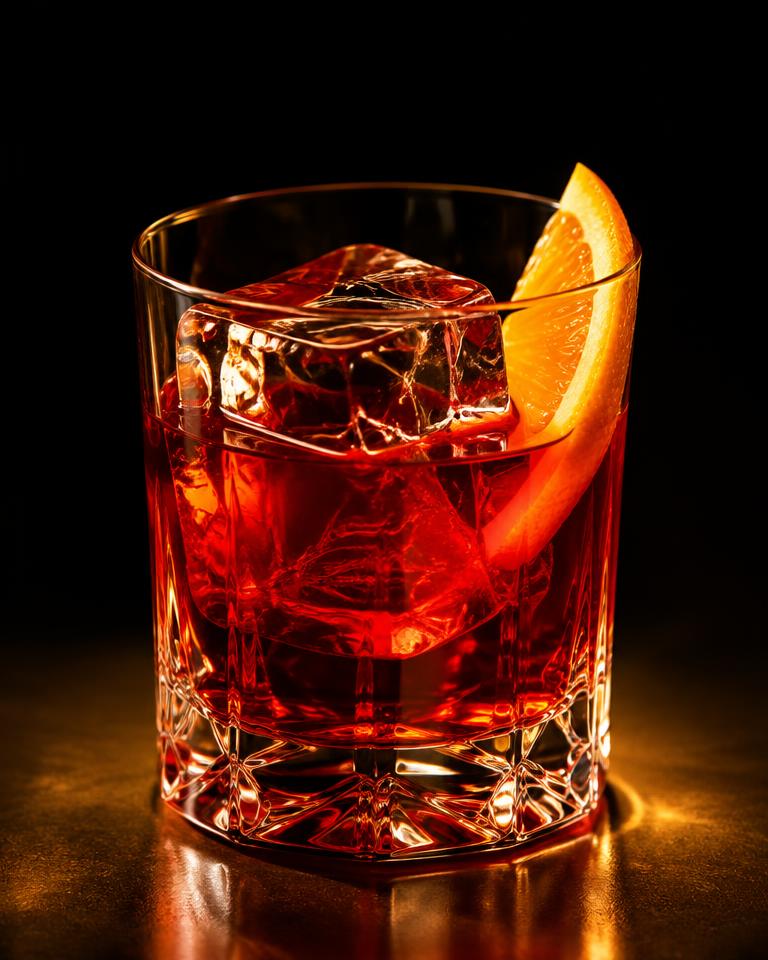 Gin
Negroni
Equal parts gin, Campari and sweet vermouth — bittersweet and assertive.
 Whiskey
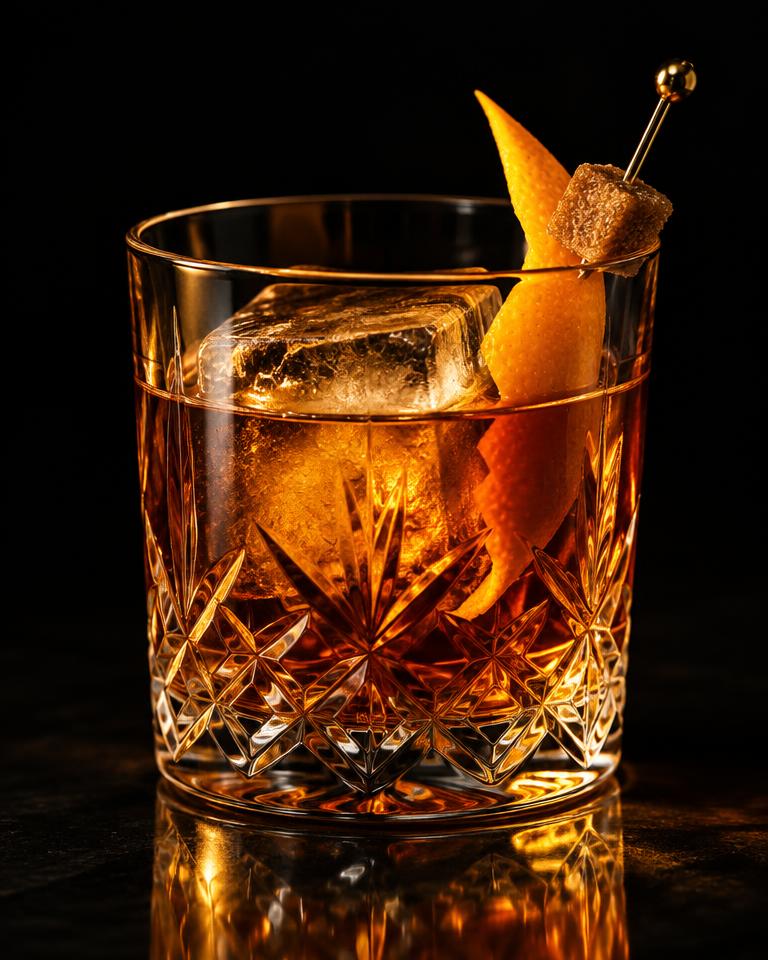
Old Fashioned
Whiskey, sugar, bitters and water — the original definition of a cocktail.
 Rum
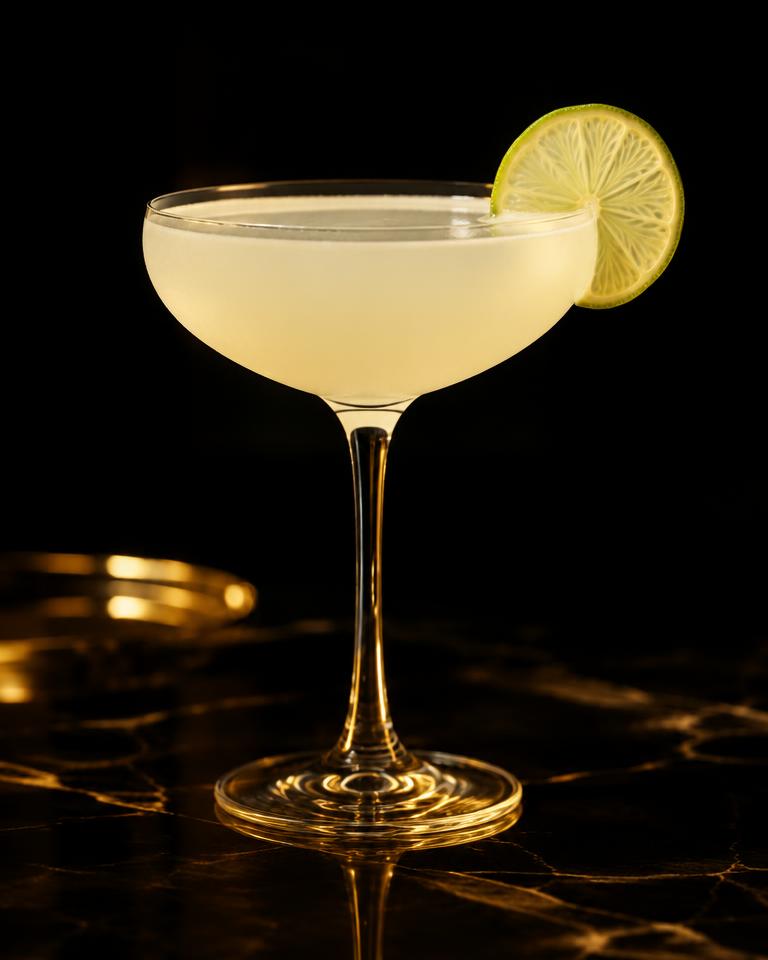
Daiquiri
White rum, lime and sugar — a bartender's benchmark of balance.
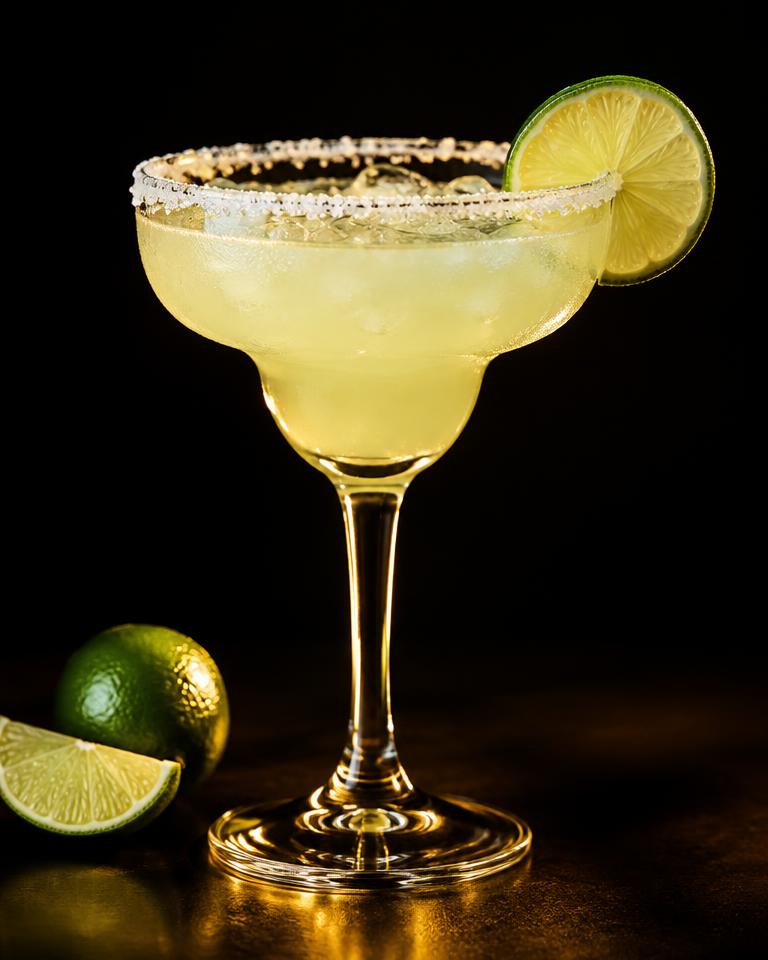 Tequila
Margarita
Tequila, orange liqueur and lime with a salted rim.