
Spirit Guides
Vodka
From grain and potato bases to filtration: texture, aroma and cocktail balance in a neutral spirit.
01
Definition and raw materials
Vodka is generally distilled to high purity and can use wheat, rye, corn, potatoes or other agricultural materials. Neutral character does not make every product sensorially identical. Texture, subtle grain associations, alcohol strength and water can differ. Raw material alone does not guarantee a specific flavor.
02
Rectification and filtration
After fermentation, rectification reduces unwanted or intense flavor compounds. Activated carbon and other filtration methods may be used, with different approaches among producers. Potable water adjusts the final bottling strength. Multiple filtration or precious-stone claims do not automatically prove superiority; assess both sensory results and production information.
03
Unflavored and flavored styles
Unflavored vodka can let other ingredients lead. Flavored products vary in fruit, spice or herbal character as well as sugar and color. Infusion, distillation and added flavoring can produce different results even with the same named flavor. Check sugar and strength on the label; flavored products are not direct equivalents to plain vodka.
04
Its role in cocktails
Tomato and spice lead in a Bloody Mary, coffee in an Espresso Martini, ginger and citrus in a Mule. Vodka carries these flavors while adding alcohol and body. Neutrality is not a reason to pour freely: sweet or intense mixers may conceal alcoholic strength. Reassess citrus and sugar with the actual products used.
05
Tasting, chilling and storage
Very low temperatures suppress aroma and heat; use consistent controlled temperatures for comparative tasting. Fridge or freezer storage depends on producer advice and bottling strength; it is incorrect that all alcoholic drinks cannot freeze. Keep bottles closed and traceable. Purity claims are not guarantees about health or next-day effects.
06
Raw materials, filtration and cold service
Vodka may use grain, potatoes or other agricultural materials. Rectification removes many traces but texture and subtle aromas can remain. Universal claims that rye is always spicy or wheat always citrusy are unreliable: fermentation, purity target, water and bottling strength act together. Raw-material labels are tasting clues, not guarantees.
Carbon and other filtration methods reduce selected compounds; number of passes alone does not rank quality. Bottling water can affect perception but mineral claims need sensory support. Very cold service suppresses aroma and changes perceived viscosity, so compare at matching temperatures. Plain and citron vodka do not perform the same aromatic role in a Cosmopolitan, and flavored vodka can conflict with Bloody Mary seasoning. Read aroma, sugar and ABV rather than assuming all clear products are equivalents.
07
Raw materials and character
Vodka can be made from grain, potatoes, sugar beet molasses, grapes or other agricultural products. Even in a spirit known as neutral, the raw material leaves traces in texture and subtle aroma. Wheat vodkas are usually soft, slightly sweet, with hints of anise or bread. Rye vodkas are spicier, drier and more characterful, as in the classic Polish styles. Corn vodka is round and gently sweet.
Potato vodka is known for a creamy, oily mouthfeel, though potatoes contain less starch than grain and require more raw material. Grape-based vodkas can offer fruity, floral brightness. Under EU rules, vodka made from anything other than grain or potatoes must state its raw material on the label.
- Wheat: soft, slightly sweet, bready
- Rye: spicy, dry, characterful
- Corn: round and sweetish
- Potato: creamy, oily texture
- Grape: fruity, floral
08
Distillation, filtration and water
Vodka is usually distilled in column stills to very high strength, separating most heavy compounds from the raw material. It may then be filtered through activated charcoal, quartz sand or other media. Charcoal filtration spread in Russia in the late eighteenth century and is known for softening remaining harsh notes. A high number of filtrations alone is not a quality marker; excessive treatment can erase character entirely.
About 60 percent of vodka is water, so water quality directly affects the result. Producers soften water, adjust minerals or highlight artesian and glacial sources. Bottling strength is usually between 37.5 and 40 percent. Some products receive tiny amounts of sugar or glycerine to soften mouthfeel.
09
History: from the vodka belt to the world
Vodka's origin has long been disputed between Russia and Poland, each citing records from the fourteenth and fifteenth centuries. The name derives from a diminutive of the Slavic word for water. Russia, Poland, Ukraine, Belarus, the Baltic states and Scandinavia form the vodka belt, where vodka is drunk cold and neat with food.
After the 1917 revolution, the Smirnov family's brand moved west, and after the Second World War the Moscow Mule campaign launched a huge rise in America. Its 'odourless', mixable nature made vodka one of the world's best-selling categories from the 1970s. Flavoured vodkas boomed in the 1990s, while Poland's bison-grass Żubrówka is a historic flavoured example.
10
Tasting, serving and cocktail use
Tasting vodka near room temperature reveals raw-material differences more clearly: texture, sweetness, spice and finish length can be compared. Traditional service is ice-cold in small glasses alongside salty foods such as pickles, caviar, herring or smoked fish.
In cocktails vodka is a carrier. It lets ginger and tomato lead in the Moscow Mule and Bloody Mary, adds body to coffee in the Espresso Martini, balances citrus and cranberry in the Cosmopolitan, and softens gin in the Vesper. In a vodka Martini the raw material shows directly: rye gives a drier, sharper result, wheat a silkier one.
Related cocktails
Related cocktails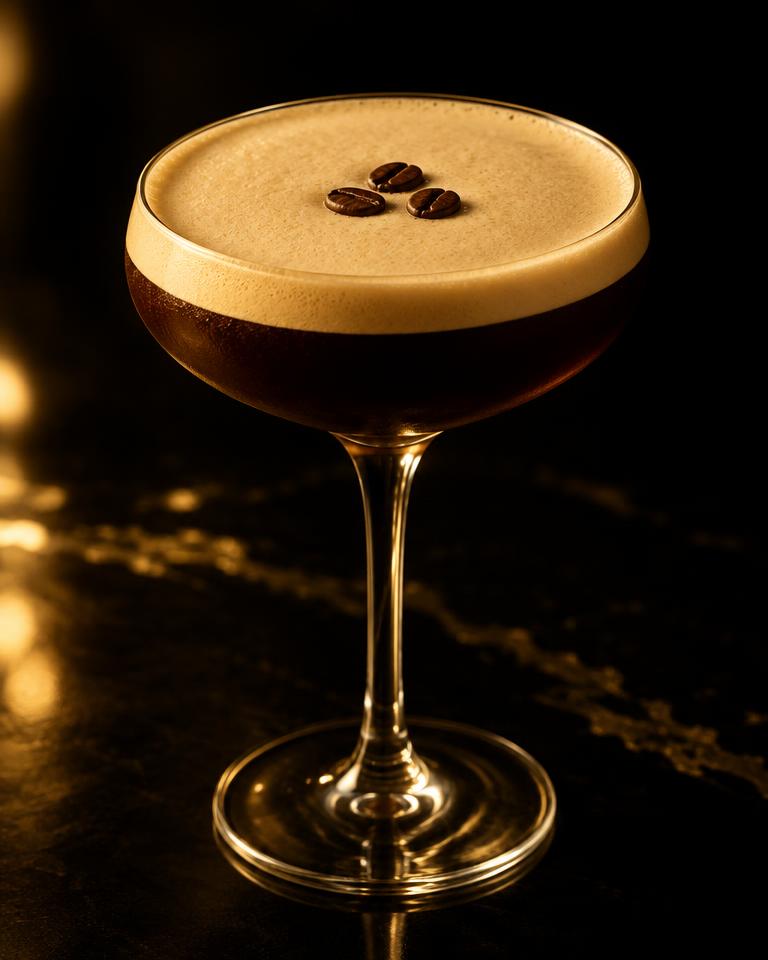 Vodka
Espresso Martini
Vodka, coffee liqueur and fresh espresso with a velvet crema.
 Vodka
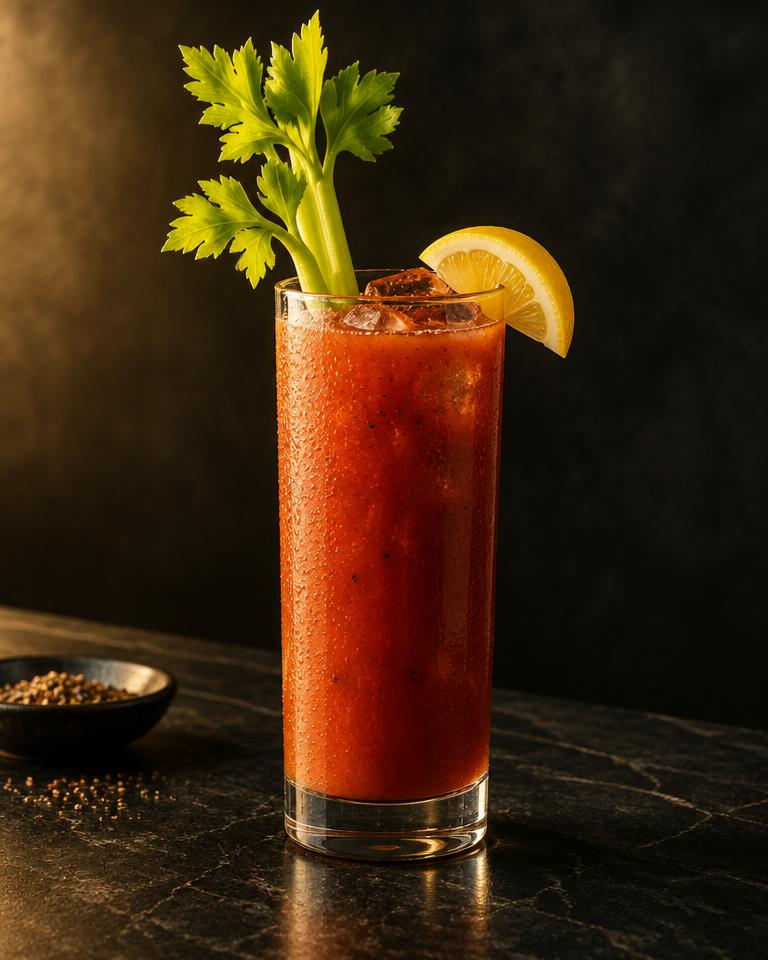
Bloody Mary
Vodka and seasoned tomato: savory, spicy and adjustable.
 Vodka
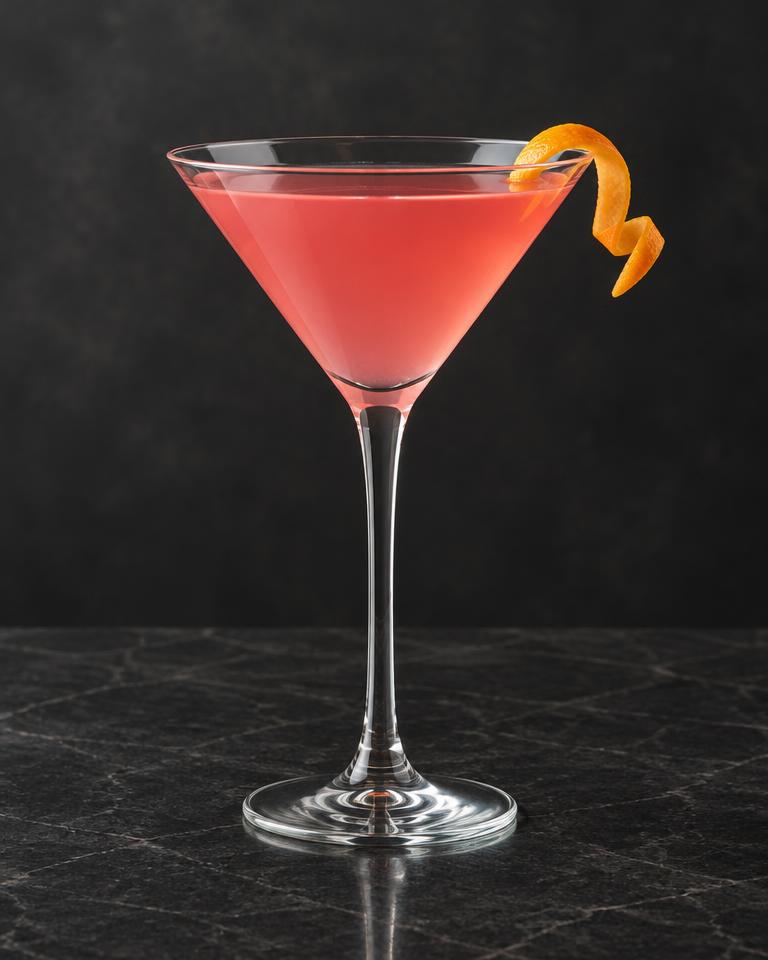
Cosmopolitan
A pink sour of citron vodka, orange liqueur, lime and cranberry.
 Vodka
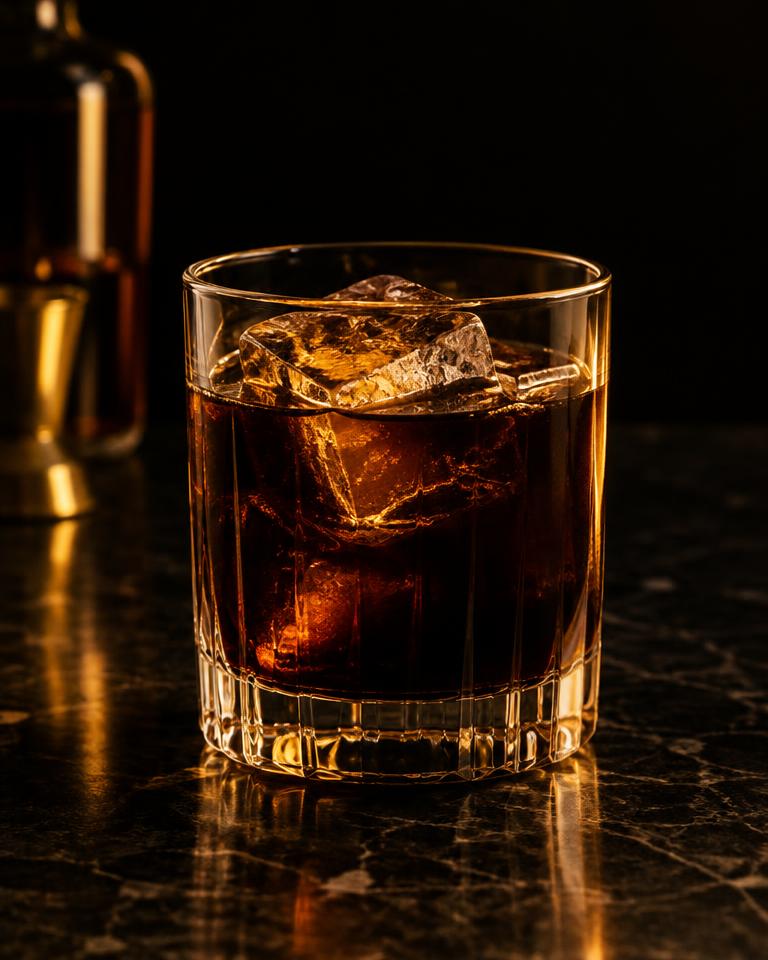
Black Russian
Vodka and coffee liqueur over ice.