
Spirit Guides
Tequila & Mezcal
Two distinct traditions explored through agave species, cooking, regions and aging categories.
01
Agave and category identity
Agave is not a cactus and may take years to mature. Tequila uses blue agave in designated Mexican regions. Mezcal encompasses a wider range of permitted species, regions and methods. Distinguishing them only as smoky or not smoky is inadequate: species, cooking, fermentation and regulation all matter.
02
Cooking, fermentation and distillation
Agave hearts are processed to convert carbohydrates into fermentable sugars. Ovens, autoclaves and other permitted methods affect character. Pit roasting is common in mezcal, but smokiness is not uniform. Crushing, yeast, fermentation vessels and still materials can create fruity, herbal, mineral or roasted notes.
03
Blanco, reposado and añejo
Blanco foregrounds agave character. In tequila, reposado begins at two months, añejo at one year and extra añejo at three years, with detailed vessel and duration limits governed by regulation. Gold wording alone does not guarantee long aging. Oak adds vanilla, spice and tannin, but greater age is not automatically better for a cocktail.
04
Reading the label
A 100% agave statement describes the sugar source; other tequilas may use permitted proportions of other sugars. Check producer, category, region and bottling strength. Agave species and production method are useful mezcal comparison details. A 100% agave label does not guarantee health benefits or freedom from hangovers; alcohol quantity still matters.
05
Cocktails and service
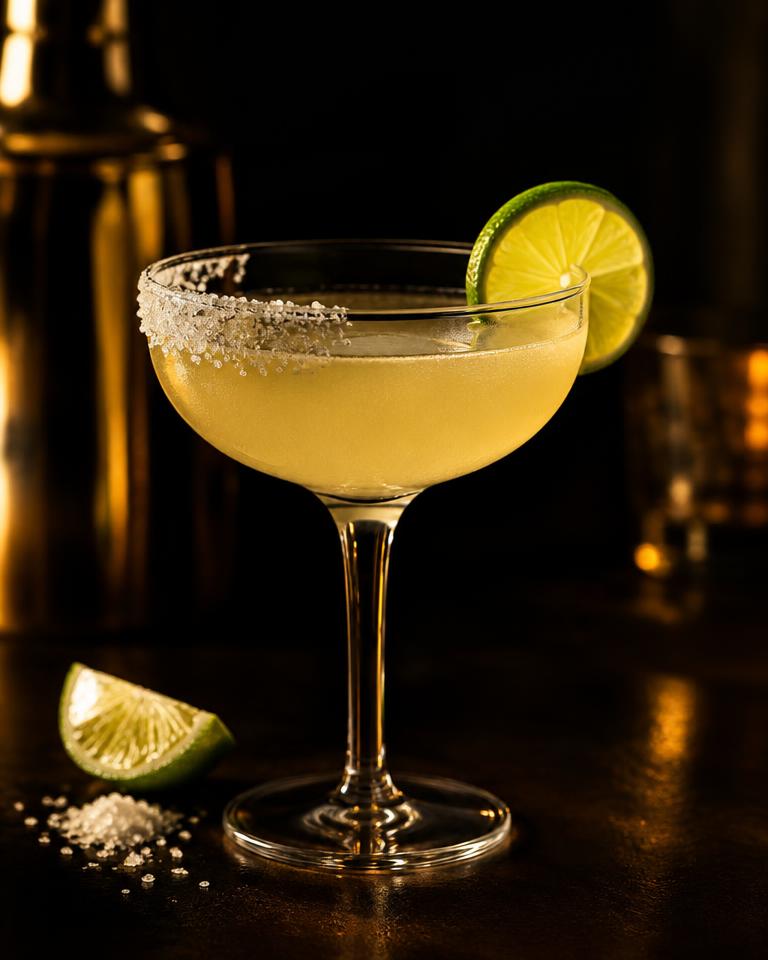
A Margarita balances agave, lime and orange liqueur; a Paloma emphasizes grapefruit and carbonation. Strong smoky mezcal can obscure citrus and garnish, so test substitutions in small trials. Salt and lime are not mandatory for every serve. Small measured tastings reveal agave character without encouraging rapid drinking.
06
Cooking methods, labels and producer identity
Processing and cooking convert stored agave carbohydrates into fermentable sugars. Stone ovens, autoclaves and industrial systems are different approaches, but equipment names alone cannot rank quality. Pit cooking is common in mezcal, yet not every mezcal is strongly smoky. Species, growing area and fermentation also matter; agave is not a cactus.
For tequila, 100% agave describes fermentable sugar origin, while mixto may include other permitted sugars. NOM identifies a producer rather than an independent quality score; one facility may produce several brands. Read blanco, reposado and añejo within legal maturation definitions. Consider species and production category on mezcal labels. Proof affects Margarita balance, and replacing all tequila with mezcal at equal volume may overwhelm other aromas.
07
Blue agave and the jimador's craft
Tequila may only be made from the blue Weber variety of Agave tequilana, in the state of Jalisco and designated municipalities of a few other Mexican states. Agave is not a cactus but a succulent related to the asparagus family. It takes six to ten years to mature and is harvested only once.
Harvesting is the work of jimadores. Using a sharp, round-bladed tool called a coa, they cut away the leaves to reveal the sugar-rich heart, the piña, which resembles a pineapple and can weigh dozens of kilos. Agave from the highland Los Altos region tends toward fruitier, floral tequila, while valley (Valle) agave tends toward earthier, herbal notes, though production choices can change this considerably.
08
Cooking, crushing and distilling
Agave contains complex sugars called inulin rather than starch, so piñas are cooked to convert them into fermentable sugar. Traditionally they are steamed slowly for one to three days in stone or brick ovens called hornos, giving cooked agave, caramel and gentle sweetness. Industrial producers use pressurised steel autoclaves to shorten the process. Diffusers extract sugar from raw agave with hot water and chemical treatment; they are efficient but may produce a more neutral spirit.
Cooked agave is crushed to separate the juice. The tahona, a large volcanic stone wheel once pulled by mules and now often by tractors, is the most traditional method and lets fibres join fermentation for richer aroma. Modern producers use mechanical mills. After fermentation, tequila is distilled at least twice, usually in copper or stainless pot stills and sometimes in columns.
09
Categories and age classes
Tequila labelled '100% de agave' is made solely from blue agave sugars. Bottles labelled simply 'tequila' are mixto: at least 51 percent of sugars must come from agave, the rest may come from other sources. Because mixto may contain limited colouring and sweetening additives, 100% agave is recommended for cocktails.
Age classes: Blanco (plata) is unaged or rested under two months and shows the purest agave. Reposado rests two to twelve months in oak and gains vanilla and light spice. Añejo matures one to three years in small barrels. Extra Añejo spends at least three years and can approach the depth of brandy. Joven or oro is usually a blend of blanco and aged tequila, or a caramel-coloured mixto. Cristalino is a modern style in which aged tequila is charcoal-filtered to remove colour.
- Blanco: 0–2 months, fresh agave, pepper, citrus
- Reposado: 2–12 months, vanilla, light oak
- Añejo: 1–3 years, caramel, dried fruit
- Extra Añejo: 3+ years, deep oak and spice
- Cristalino: aged, then decolourised
10
Mezcal: the spirit of smoke and diversity
Mezcal is the umbrella term for agave spirits in Mexico, and technically tequila is a type of mezcal; today, however, mezcal refers to its own protected category. Oaxaca is the most important region. Mezcal can be made from dozens of agave species: Espadín is the most common, while wild Tobalá, Tepeztate and Madrecuixe offer rarer and more complex aromas.
Mezcal's signature smoke comes from cooking piñas for days in earthen pits over wood fire and hot stones. Crushing is often done by tahona or mallet, and fermentation happens in open vats with wild yeasts. Certification defines three classes: Mezcal (modern equipment allowed), Mezcal Artesanal (traditional cooking, copper or clay stills) and Mezcal Ancestral (pit cooking, hand crushing and clay-pot distillation). The worm in the bottle belongs to some commercial mezcals as a marketing tradition, not to tequila.
Other Mexican agave spirits are worth knowing: Raicilla from Jalisco's mountains, Bacanora from Sonora, and Sotol, which comes from the desert spoon plant (Dasylirion) rather than agave.
11
Tasting, serving and cocktail use
Quality tequila and mezcal are meant for sipping; in Mexico mezcal is traditionally served in shallow clay cups (copita or jícara) with orange slices and sal de gusano. The salt-and-lime shot ritual spread largely to soften harsh mixto tequilas.
In cocktails, blanco tequila carries fresh agave and citrus balance in the Margarita, Paloma and Tommy's Margarita. Reposado suits fuller drinks such as El Diablo or a tequila Old Fashioned. Even a little mezcal adds a smoky layer; it forms the base of the Naked and Famous or Oaxaca Old Fashioned, and as a split base in a Margarita it adds depth.
Related cocktails
Related cocktails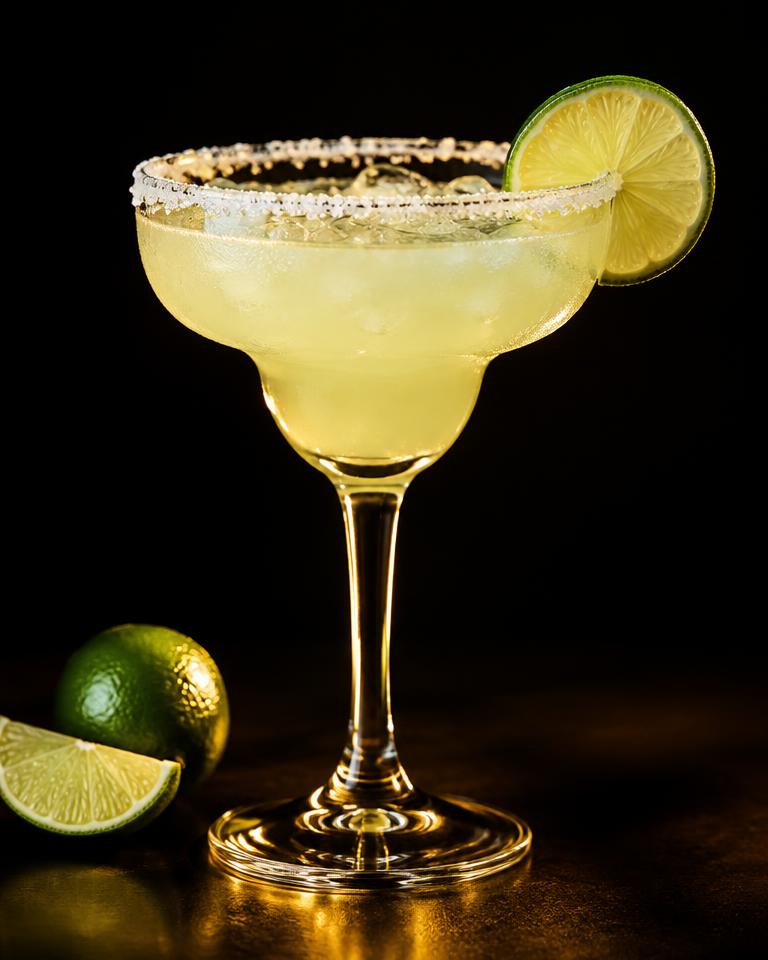 Tequila
Margarita
Tequila, orange liqueur and lime with a salted rim.
 Tequila
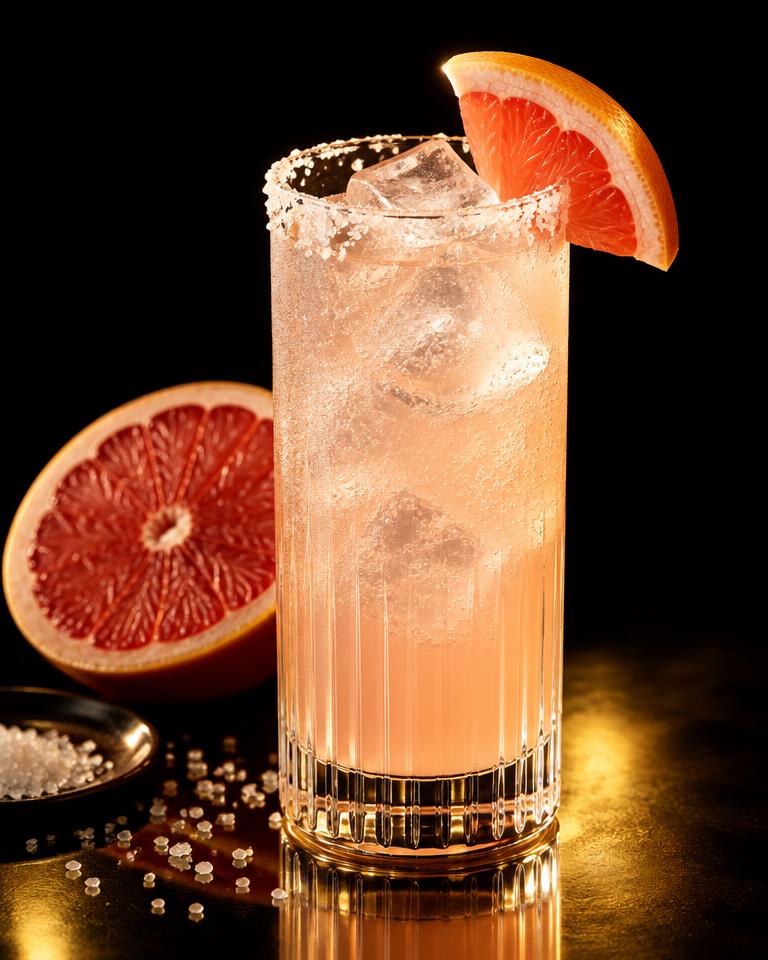
Paloma
Tequila with grapefruit soda, lime and a pinch of salt.
 Tequila
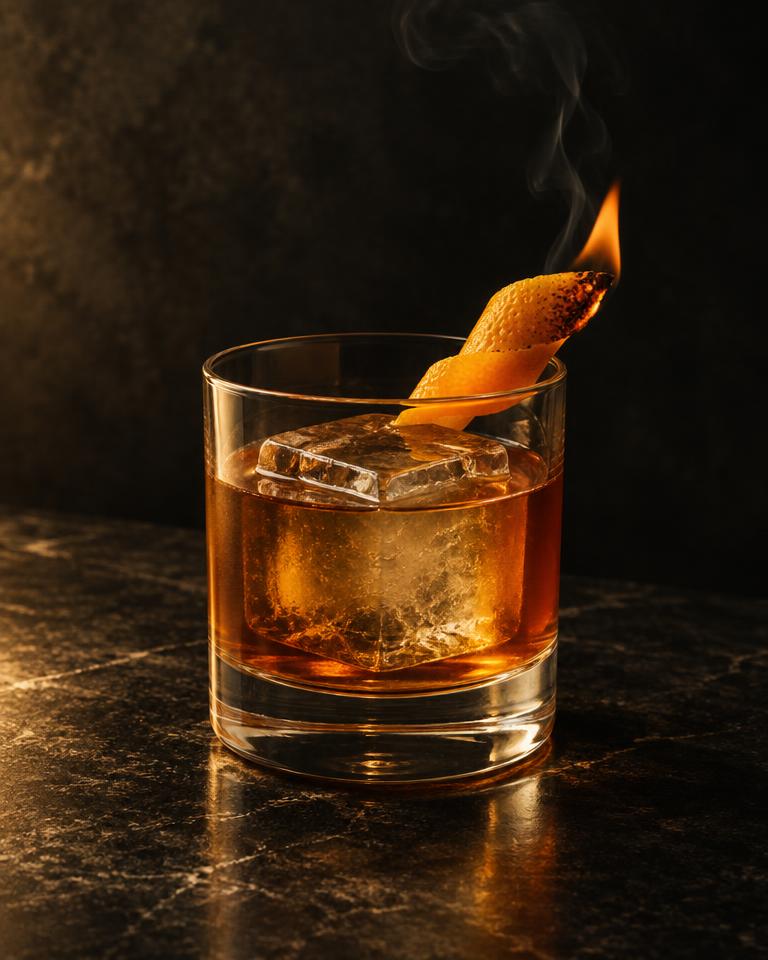
Oaxaca Old Fashioned
Reposado tequila and mezcal sweetened with agave and bitters.
 Tequila
Grand Margarita
Tequila, Grand Marnier and lime with a half salt rim.