
Mixology & Technique
Sugar, Sourness & Acidity
A balance guide to syrup ratios, citrus differences and what pH and Brix actually describe.
01
Differences among sweeteners
White sugar offers neutral sweetness, demerara adds flavor and honey contributes floral character and body. Define 1:1 and 2:1 ratios by weight. Equal volumes of different syrups do not contain equal sugar. Include liqueur and juice sugar in the overall balance.
02
Acid sources
Lemon, lime and other fruit contain multiple acids and aromas. Food-grade citric or malic acid may support precise formulas, but they are not sensorially identical to citrus. Weigh ingredients, label and record the formula. Do not taste concentrates directly; use suitable diluted trials.
03
pH, total acidity and Brix
pH indicates acidity but alone does not describe sourness or shelf life. Total acidity is a different measurement. Brix reflects dissolved solids in a sugar solution; in alcoholic complex mixtures it is not simply sugar percentage. Use calibrated equipment and methods, and do not base food-safety decisions on one reading.
04
Developing a formula
Use small trials with consistent base, measures and ice. Adjust sugar–acid balance first, then dilution and aroma. Changing two variables at once makes interpretation difficult. Reassess as service ice melts: a very sweet drink may seem balanced while cold and become flat later.
05
Weight ratios and the roles of different acids
A 1:1 syrup made from 100 g sugar and 100 g water yields about 50 °Bx in a pure sucrose solution. A 2:1 weight ratio yields about 66.7 °Bx; measuring cups of sugar does not guarantee this. Honey and agave syrups have different water and sugar compositions. Equal syrup volumes therefore need not carry equal sweetness or sugar mass.
Citric, malic and lactic acids have different sensory roles, but pure acids cannot reproduce fruit aroma and texture. Use food-grade ingredients, precise scales and documented formulas. pH is not identical to acid quantity; buffering, sugar and alcohol affect perception. Acid adjustment does not validate safe shelf life. Taste and record small trials before changing a whole batch.
Related cocktails
Related cocktails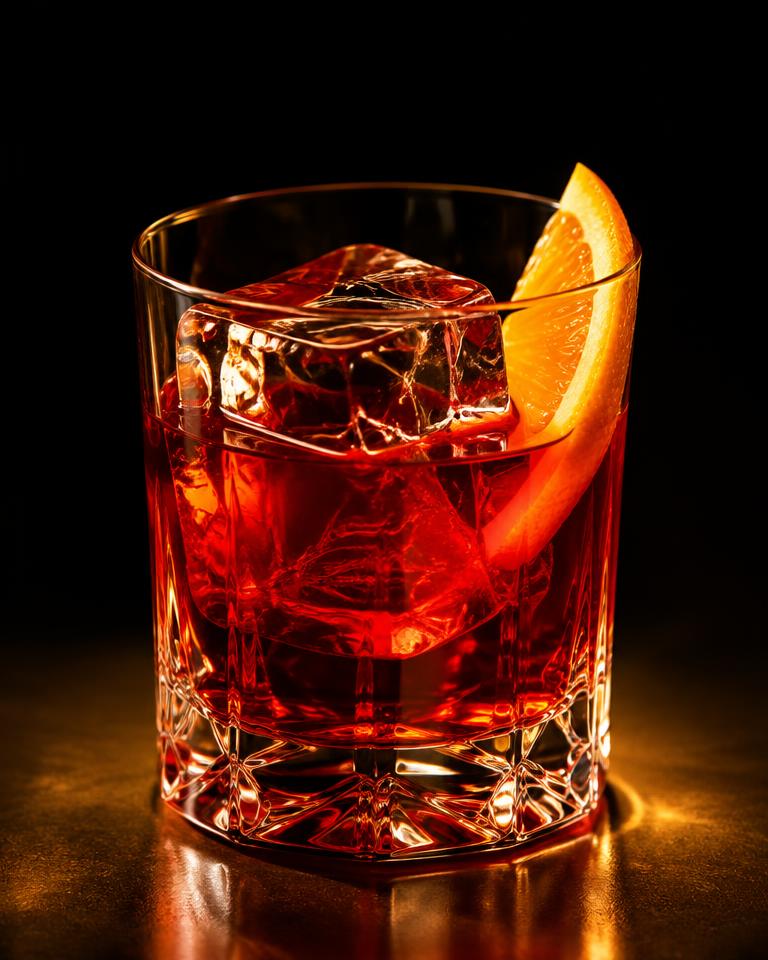 Gin
Negroni
Equal parts gin, Campari and sweet vermouth — bittersweet and assertive.
 Whiskey
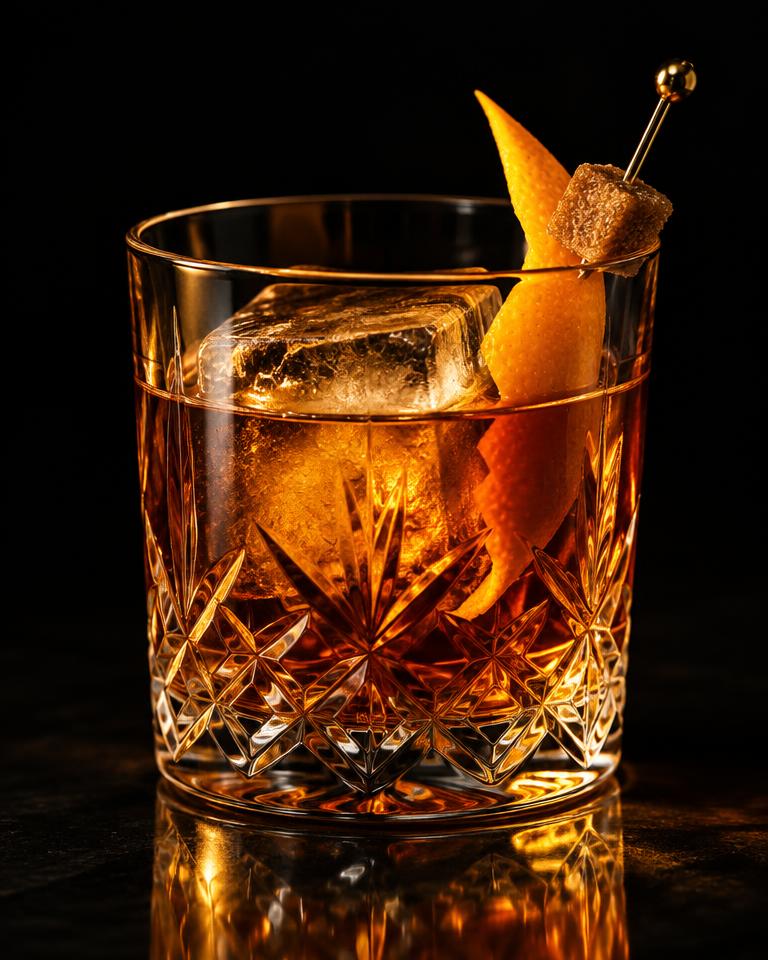
Old Fashioned
Whiskey, sugar, bitters and water — the original definition of a cocktail.
 Rum
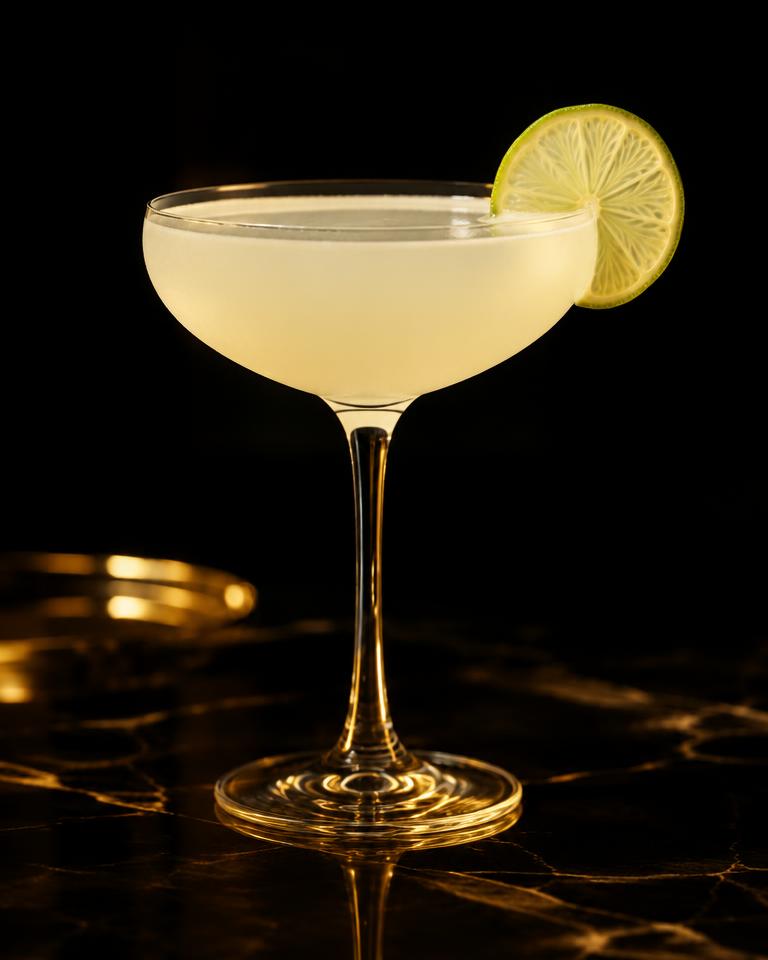
Daiquiri
White rum, lime and sugar — a bartender's benchmark of balance.
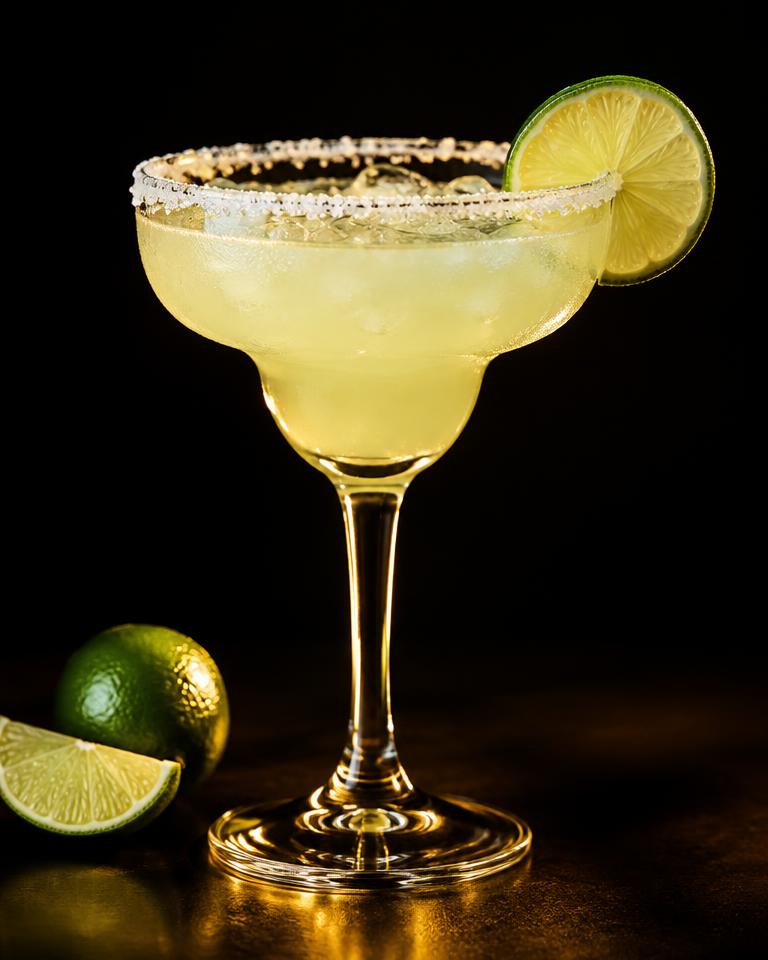 Tequila
Margarita
Tequila, orange liqueur and lime with a salted rim.