
Bar Knowledge
Service Rules, Speed & Consistency
Workflow principles for serving multiple orders cold, correctly measured and together.
01
Confirming an order
Confirm formula, glass, ice, allergens and changes before preparation. Specification cards should include brand, volume, method and garnish. Accommodate requests within safety and house rules. Distinguish alcoholic and alcohol-free orders clearly at service.
02
Planning coordinated service
Prepare tools and glassware first and allow time for longer components. Finish sparkling and melt-sensitive drinks near service. Use the order's temperature, foam and ice requirements rather than a universal sequence. The aim is a correct coordinated serve without warming the first drink on the counter.
03
Where speed comes from
Preparation, short reach distances and shared standards create speed. Skipping measurement or cleaning is not a lasting solution. Combining portions in one shaker requires validated specifications, capacity and portion control. Communicate service delays honestly.
04
Final checks and correction
Check glass, garnish and appearance before service. Taste using hygienic single-use or clean methods without redipping a used straw. Remake a wrongly measured drink when needed rather than guessing corrective additions. Address recurring faults through equipment, training or specification changes.
05
Order sequence, shared prep and quality checks
Prechill up-drink glasses when preparing several orders. Measuring stable mixtures and adding carbonation are separate stages; finishing sparkling drinks too early harms quality. Multi-serving shaker batches require enough ice and headspace, not just summed liquid volume. Plan separate allergen-handling workflows.
Recipe cards should state volume, method, glass, garnish and final checks. Measuring cheaper ingredients first can reduce mistake costs but is not a universal rule. Do not conceal omissions through improvised pours. Compare a sample at shift start to detect brand or syrup-batch changes. Speed alone is not good service: incorrect allergens, spilled portions or oversized pours cannot justify saved seconds.
Related cocktails
Related cocktails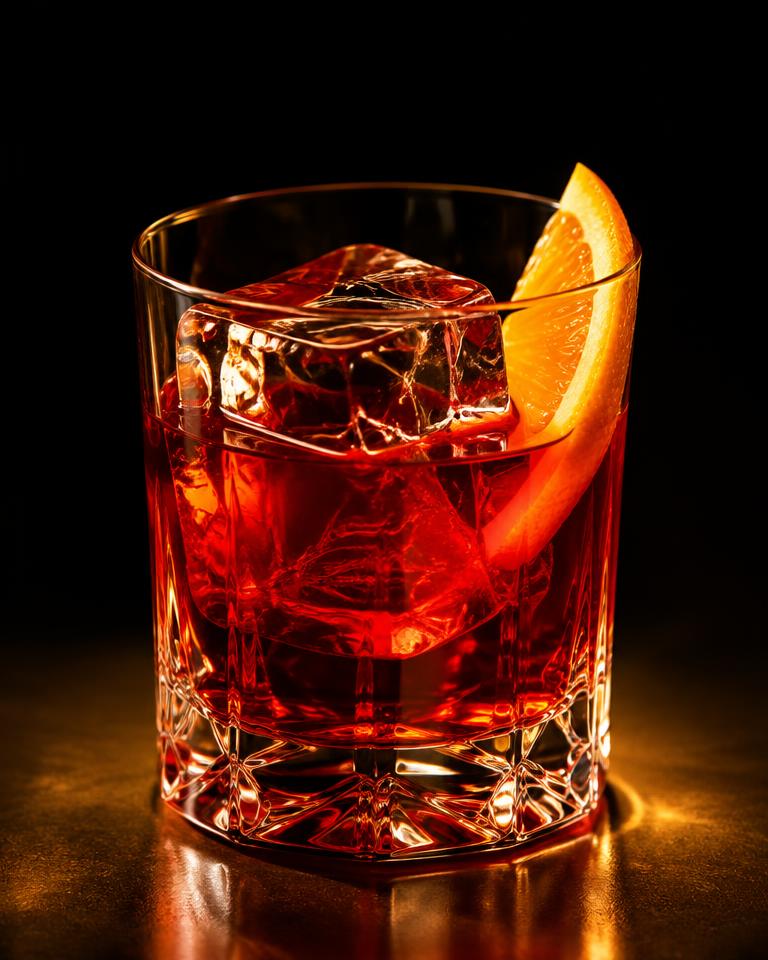 Gin
Negroni
Equal parts gin, Campari and sweet vermouth — bittersweet and assertive.
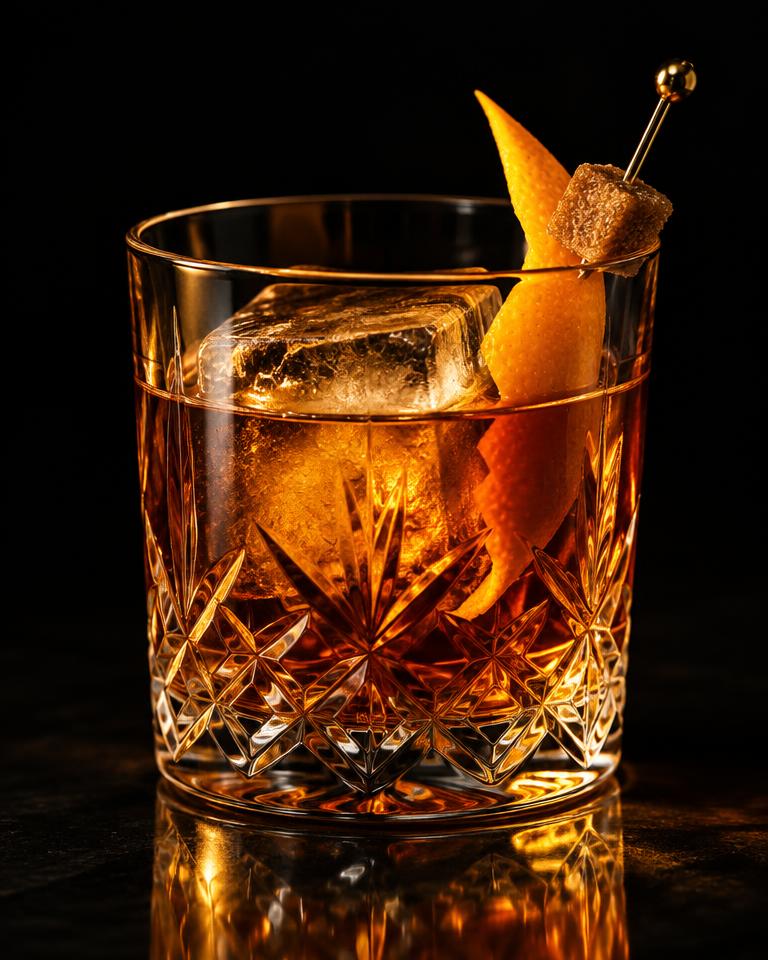 Whiskey
Old Fashioned
Whiskey, sugar, bitters and water — the original definition of a cocktail.
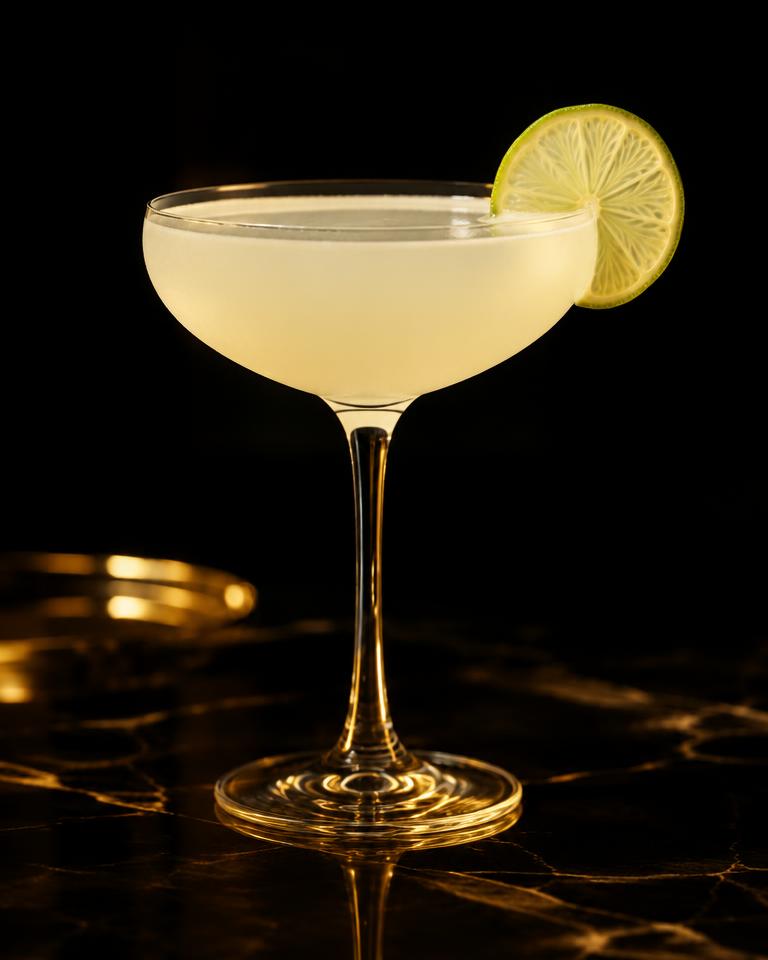 Rum
Daiquiri
White rum, lime and sugar — a bartender's benchmark of balance.
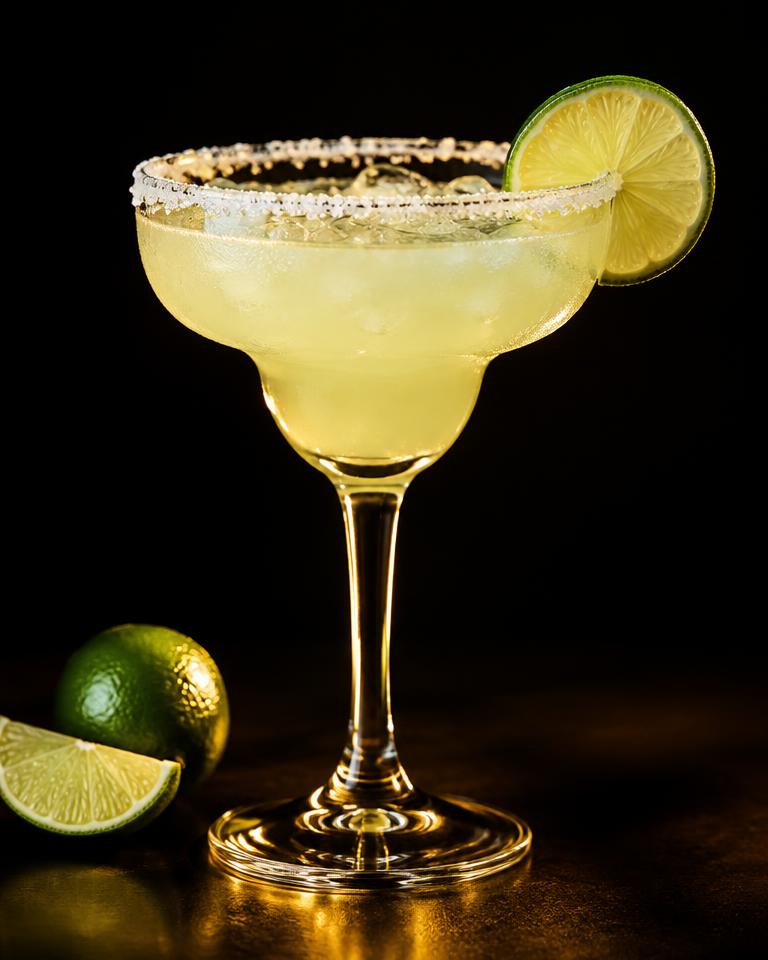 Tequila
Margarita
Tequila, orange liqueur and lime with a salted rim.