
Mixology & Technique
Seasonal Mixology & Aroma Pairing
Pairing fruit, herbs and spices through similarity, contrast and service context.
01
Season changes ingredients
Ripeness changes sugar, acid, water and aroma. Strawberries or pomegranates are not always equally intense. Seasonal menus require yield, waste, preparation and freshness checks, not just a new ingredient name. Local sourcing may help supply, but consistency still needs measurement and tasting.
02
Similarity and contrast
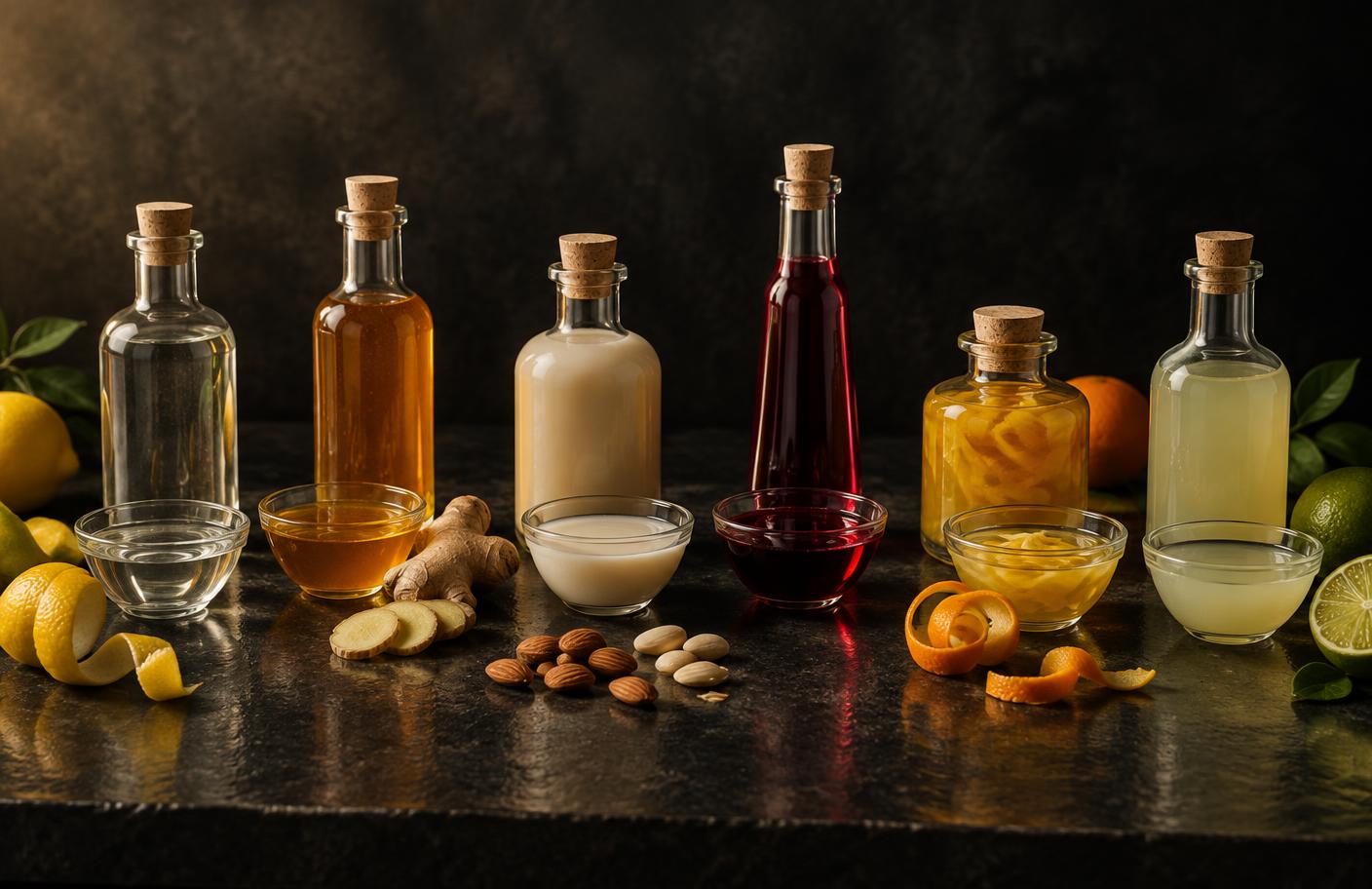
Citrus with coriander seed or apple with cinnamon can reinforce related notes. Controlled acid can contrast sweet fruit, while sweetness can balance bitter liqueur. Pairing tables offer starting ideas, not compulsory rules. Limit competing dominant aromas and taste the actual ingredients together.
03
Dosing herbs and spices
Mint, basil, rosemary and thyme have different intensities. Clove, cinnamon and chili can dominate at small doses. Delivering spice through garnish, syrup or infusion creates different results. Record extraction conditions, verify food suitability and avoid medical-benefit claims.
04
Building a recommendation
Ask briefly about preferred base, sweet–sour balance, bitterness and alcohol level. Do not infer taste from gender or nationality. A seasonal aroma in a familiar cocktail structure can make choice easier. Give alcohol-free options the same attention to aroma and texture.
05
Aromatic bridges and seasonal change
Shared aromas can bridge ingredients: citrus botanicals in gin connect with lemon peel, while aged rum's sweet spice can meet pineapple and cinnamon impressions. Contrast can place acid, carbonation or bitterness against fatty or sweet food. These are not universal pairing laws; excessive sugar can overwhelm the connection.
Seasonal fruit changes in water, sugar and acid, so identical strawberry weights may taste different across seasons. Specify fresh, frozen or puréed products separately. Herbs as garnish provide first aroma, whereas controlled infusion provides deeper integration. Shared prep improves efficiency without making every drink taste of one syrup. Tea tannin, fruit acid and sparkling water can build structure in alcohol-free pairings; absence of alcohol need not mean absence of balance.
Related cocktails
Related cocktails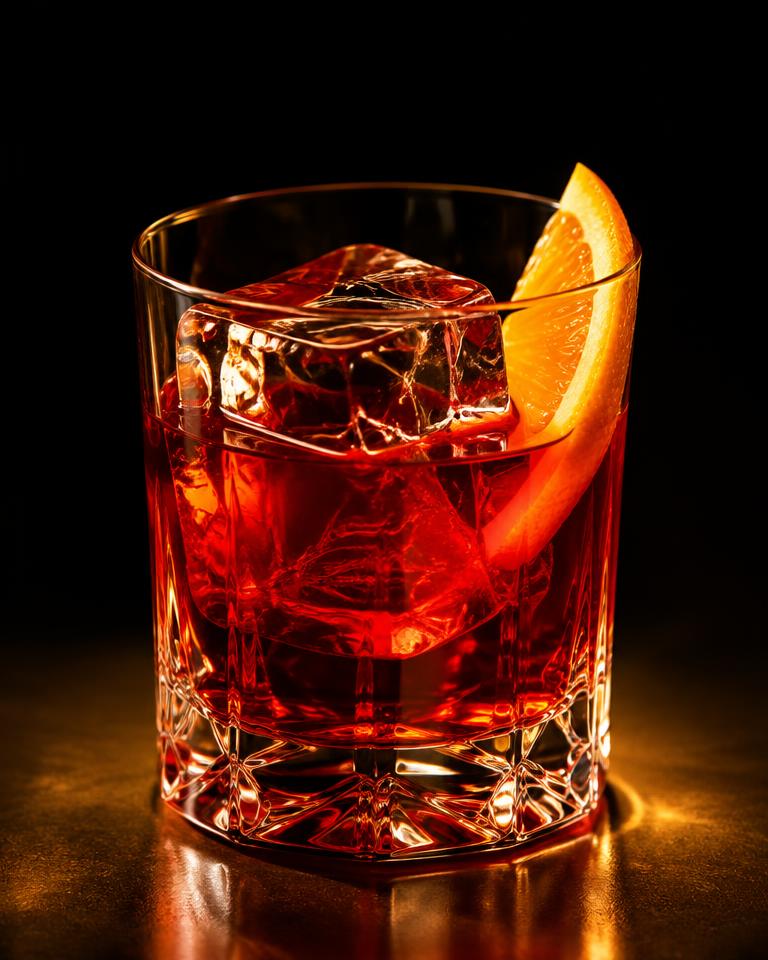 Gin
Negroni
Equal parts gin, Campari and sweet vermouth — bittersweet and assertive.
 Whiskey
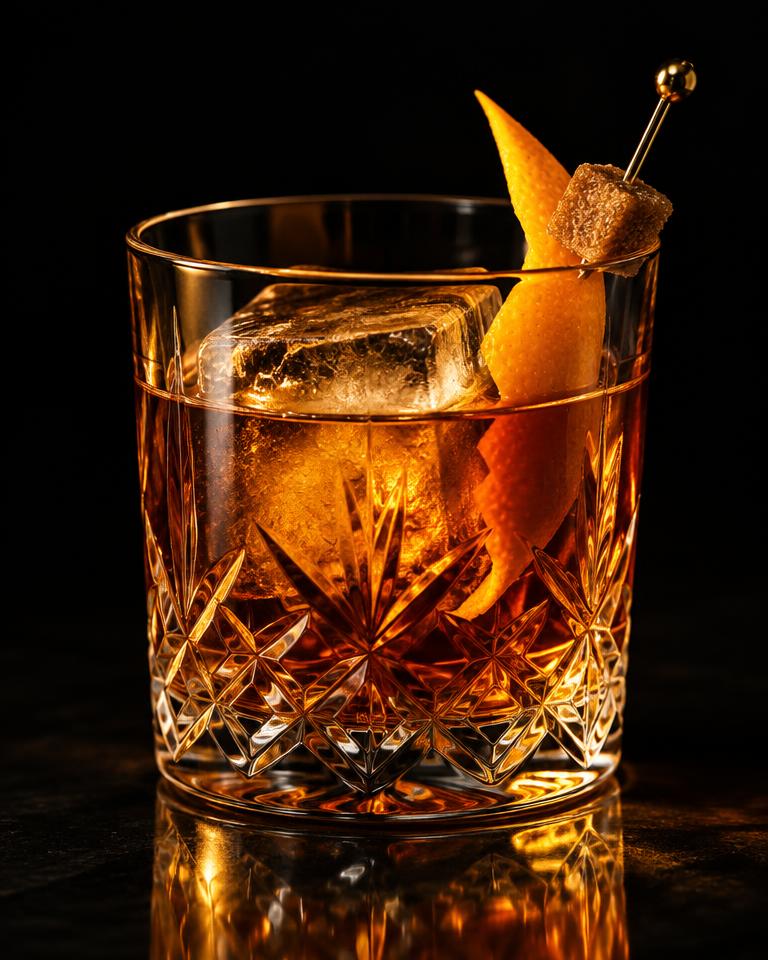
Old Fashioned
Whiskey, sugar, bitters and water — the original definition of a cocktail.
 Rum
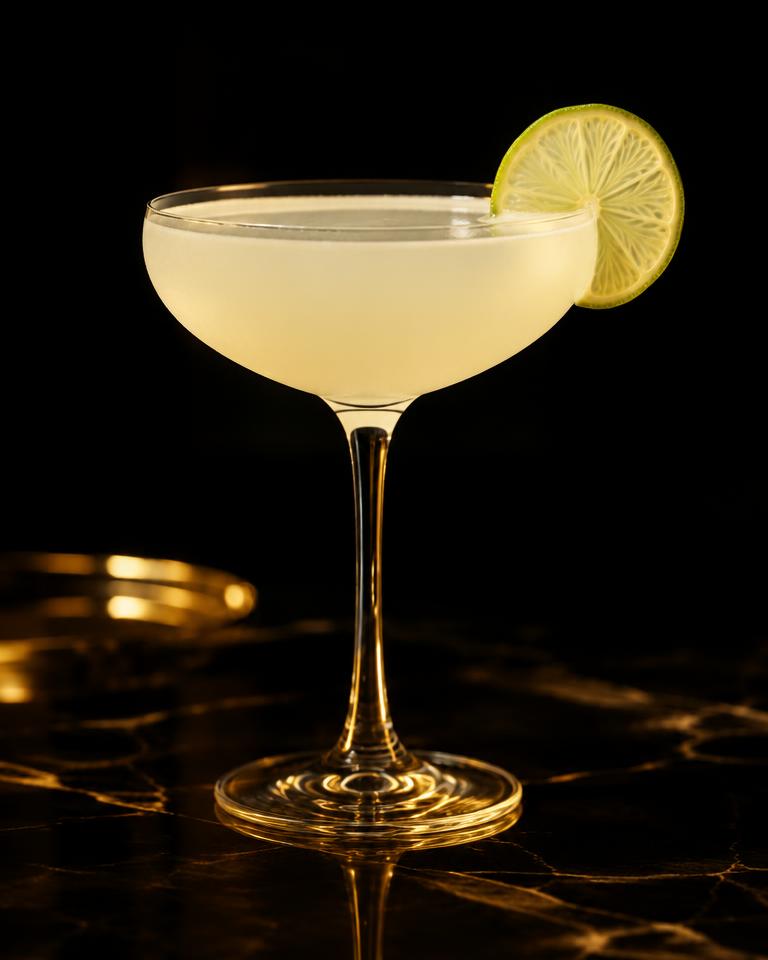
Daiquiri
White rum, lime and sugar — a bartender's benchmark of balance.
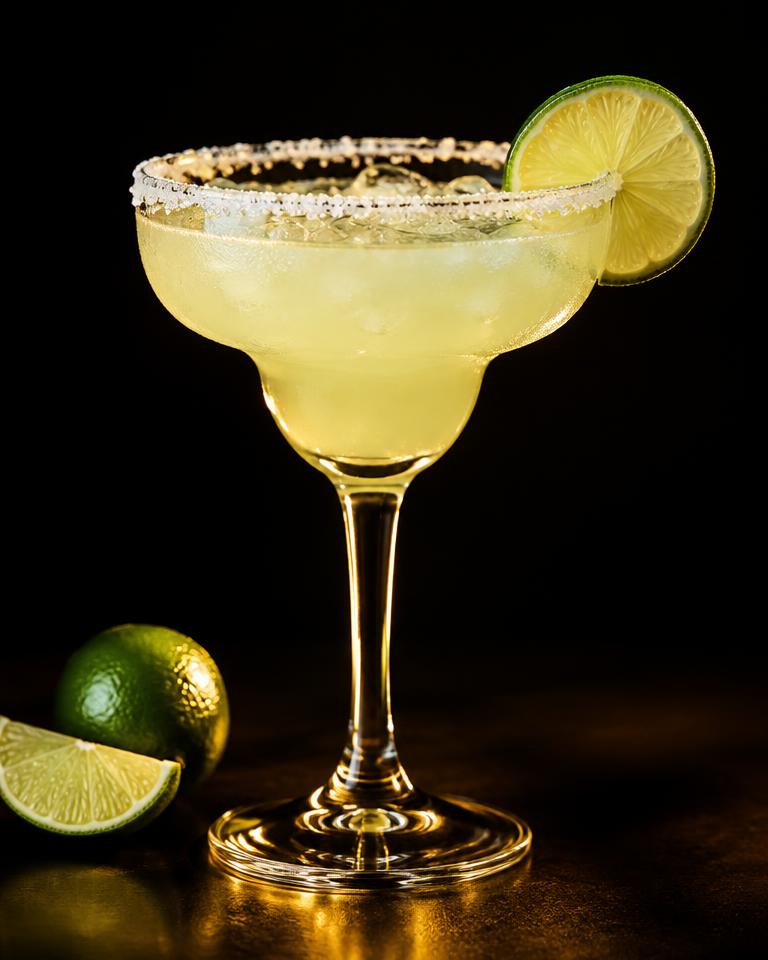 Tequila
Margarita
Tequila, orange liqueur and lime with a salted rim.