
Spirit Guides
Rum & Cachaça
Molasses, cane juice, fermentation and casks: understanding rum's diversity and how cachaça differs.
01
From sugar cane to distillate
Rum is made from sugar-cane-derived materials. Molasses, cane juice and cane syrup provide different aromatic starting points. Yeast, fermentation time and local traditions matter as much as the feedstock. White rum does not necessarily mean unaged: some products mature before color-removing filtration.
02
Stills and aromatic intensity
Pot distillation may preserve strong ester and raw-material character; columns can produce lighter profiles. Many rums blend different distillates. Aromatic Jamaican examples, cane-juice traditions in the French Caribbean and lighter Latin American styles are useful orientations, but language regions are not strict universal aging rules.
03
Agricole and cachaça
Rhum agricole is associated with fresh cane juice and may follow protected regional rules. Cachaça is Brazil's cane-juice spirit and a separate category. Aged cachaça can acquire character from native woods as well as oak. Replacing it with any white rum in a Caipirinha does not produce an identical drink; cane and wood character matter.
04
Color, age and sugar
Gold or dark color alone does not describe age or body; casks, blending and permitted color adjustment may influence it. Some rums receive post-production sugar and others do not. Age statements vary by jurisdiction. Solera wording does not prove every drop has the same age; read the producer's explanation.
05
Choosing rum for a recipe
A Daiquiri needs a lively base and acid balance; a Mojito needs room for mint and lime; tiki formulas may combine complementary rums. Substituting high-ester, aged or overproof rum changes sweetness and alcohol. Check strength before starting at equal volume; do not use high-proof rum for flaming service. Store upright, away from light and heat.
06
Cane juice, molasses, dunder and age statements
Molasses rum uses a sugar-production by-product; cane-juice rum ferments fresh juice. Agricole can be a regulated regional term and should not automatically label every cane-juice spirit. Cachaça is a distinct Brazilian category. Fermentation and microbial management can influence esters; white color does not guarantee light aroma. Dunder is spent distillation liquid, sometimes linked to managed recycling practices, not a home imitation recipe.
Pot, column and blended distillates support different styles. Color can reflect casks, filtration or permitted adjustment. Solera does not prove that an entire bottle has one age. High-ester rum and a lighter rum produce different Daiquiris at equal volume. Two rums in a Mai Tai should add functional contrast, not merely different colors. Consider added sugar and proof before attributing sweetness to age.
07
Molasses, cane juice and fermentation
Rum is made from sugarcane products. Most rum comes from molasses, a by-product of sugar production that gives a dark, mineral, caramel base. In the French Caribbean, especially Martinique, rhum agricole is made from fresh cane juice, with a grassy, herbal, fruity and lively character; Martinique agricole has its own AOC.
Fermentation length strongly shapes rum. Short fermentations of one or two days produce light, clean rums, while weeks-long fermentations create intense esters. Jamaica's dunder (residue from previous distillations) and muck pit traditions produce the intense, overripe-fruit 'hogo' or funk.
08
Distillation and regional styles
Rum is produced in both pot and column stills, and many brands blend the two. Regional traditions are often described through three tendencies shaped by colonial history. Spanish-influenced regions (Cuba, Puerto Rico, the Dominican Republic, Panama) use columns for light, clean, elegant rums; the solera method is also common there.
British-influenced regions (Jamaica, Barbados, Guyana, Trinidad) make fuller, more aromatic rums. Jamaica is known for pot stills and high ester levels, Barbados for balanced pot and column blends, and Guyana for historic wooden stills preserved in Demerara. French-influenced islands (Martinique, Guadeloupe) are known for agricole. Brazil's cachaça is also made from fresh cane juice but is usually distilled to lower strength and may rest in casks of native woods.
- Spanish style: light, clean, column-led
- British style: full, aromatic, pot-influenced
- French style: agricole, grassy and lively
- Cachaça: fresh cane juice, native woods
09
Ageing, colour and labels
Most rum-producing countries are tropical, so cask ageing progresses quickly and the angels' share is high. White rums may be unaged or briefly aged and then charcoal-filtered to remove colour. The colour of gold and dark rums may come from the cask or from caramel, so colour is not a reliable sign of age.
In a solera system, rums of different ages are blended in stages; a number on the label often refers to the oldest component. Some countries allow added sugar, which explains many sweet, smooth rums. Overproof or navy strength rums of 57 percent and above are used in tiki drinks and as floats. Spiced rum is a separate category flavoured with spices and vanilla.
10
History and role in cocktails
Rum was born on seventeenth-century Caribbean sugar plantations and is bound to the painful history of colonialism and the slave trade. The British Royal Navy issued a daily rum ration (tot) until 1970; grog was the ration diluted with water and mixed with lime. Rum is also the backbone of the punch tradition and the twentieth-century tiki movement.
In cocktails light rums give a fresh base in the Daiquiri, Mojito and Cuba Libre. Jamaican and Demerara rums add depth and fruity intensity to the Mai Tai, Zombie and Planter's Punch. Agricole is essential to the Ti' Punch, and cachaça is the soul of the Caipirinha. Blending styles is one of the key techniques of tiki masters.
Related cocktails
Related cocktails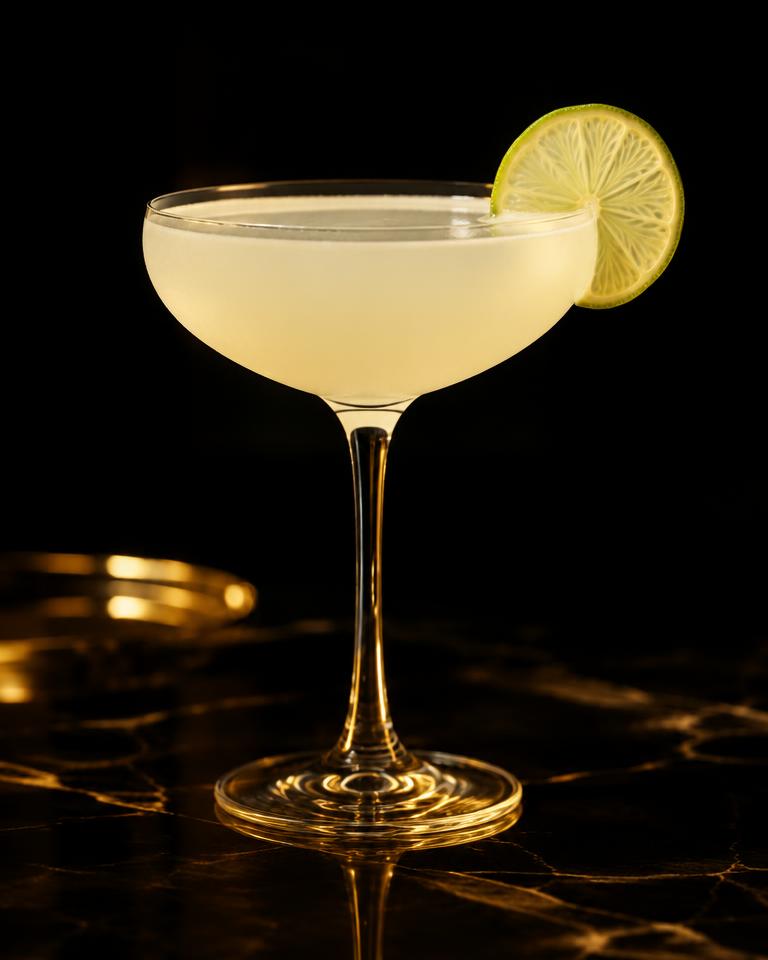 Rum
Daiquiri
White rum, lime and sugar — a bartender's benchmark of balance.
 Rum
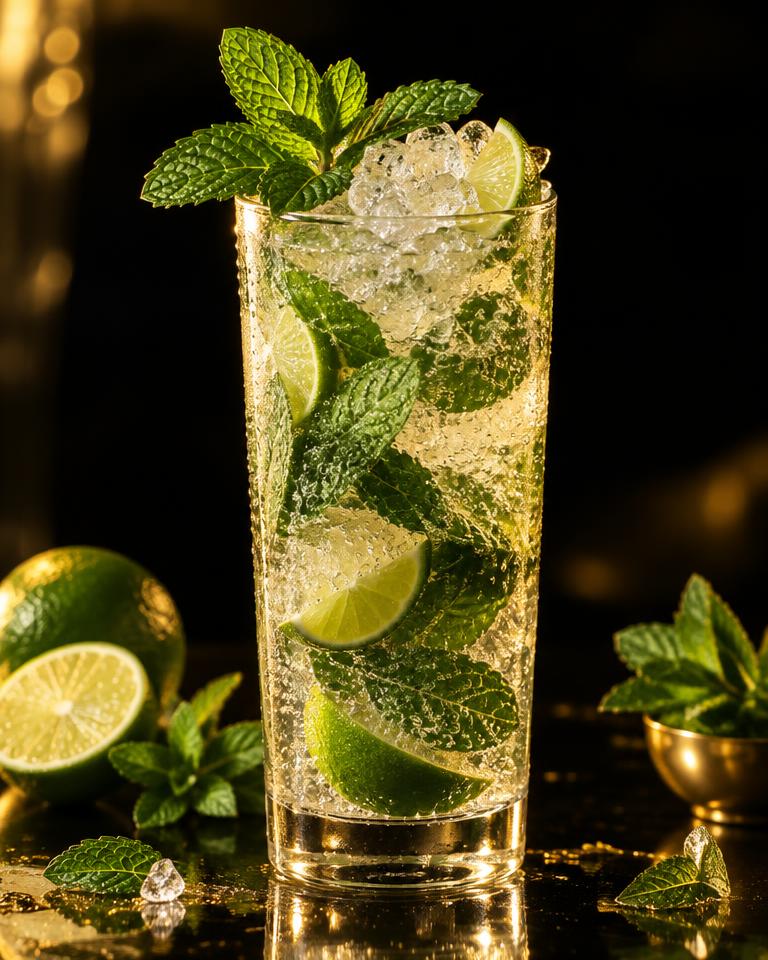
Mojito
Rum, mint, lime and soda — Havana's long refresher.
 Rum
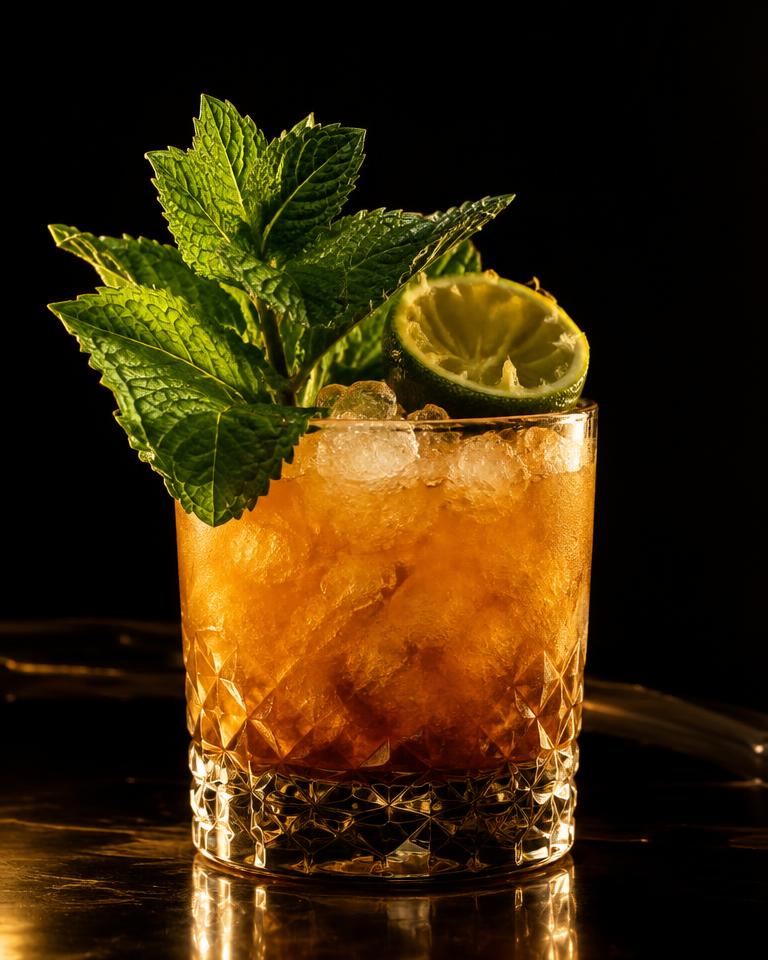
Mai Tai
Two rums, lime, orange curaçao and orgeat — the tiki benchmark.
 Rum
Jungle Bird
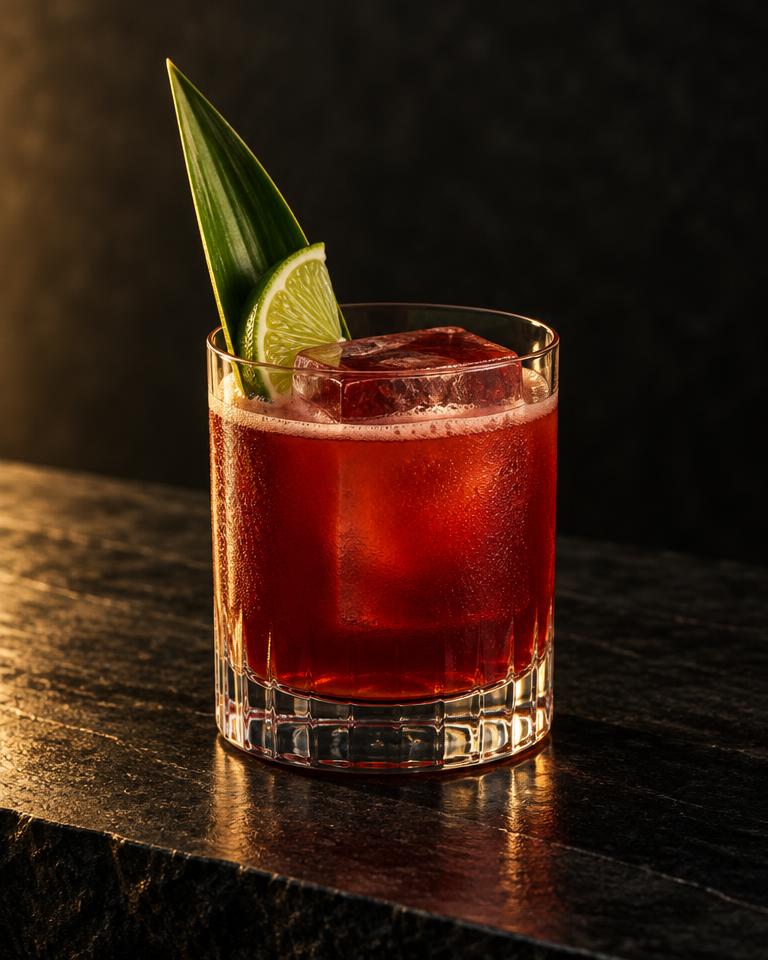
Dark rum, Campari and pineapple in a bittersweet tropical sour.