
Bar Knowledge
Responsible Service
Practical principles for safer, more thoughtful alcohol service.
01
Know what you serve
Measure accurately, understand approximate strength and offer water and alcohol-free choices. Never present intoxication as a goal or pressure a guest to drink.
02
Safety overrides the sale
Follow local law and house policy, check legal drinking age and refuse service when necessary. Help arrange safe transport and never encourage driving after drinking.
03
Allergens and hygiene
Declare common allergens, avoid cross-contact and use pasteurized egg products where appropriate. Homemade infusions and syrups require labeling, refrigeration and discard dates.
04
Serving size and alcohol quantity
A cocktail's strength cannot be inferred from appearance. Multiplying each alcoholic ingredient's volume by its alcohol fraction estimates pure alcohol volume; dividing the sum by final volume estimates ABV. Dilution, mixers and brand strengths change the result. Standard-drink and legal-service definitions vary by country; follow local rules.
05
Refusing service and offering support
Do not offer further alcohol when intoxication is apparent. Explain house policy calmly and respectfully, inform the responsible team member and offer safe transport assistance. Water, coffee and food do not accelerate alcohol elimination. Seek emergency assistance for unconsciousness, irregular breathing or suspected serious poisoning.
06
Making allergen information available
Check dairy, egg, almonds and other nuts, sulfites and relevant grain ingredients in recipes. Update menu information when product labels change. Rinsing equipment may not be sufficient after an allergy disclosure; follow the establishment's cross-contact procedure. Do not conceal alcohol from bitters or liqueurs in apparently alcohol-free drinks.
07
Measured service and difficult conversations
Appearance alone proves neither legal age nor fitness to consume alcohol. Follow local verification and venue policy. Use a shared refusal approach so another bartender does not unknowingly resume stopped service. Keep wording short, respectful and non-humiliating; involve a supervisor instead of trying to win an argument and offer suitable safe transport options.
Hidden larger pours undermine safety and inventory control. Count every alcoholic ingredient, including liqueurs and vermouth. Keep water, food and alcohol-free choices accessible without presenting them as treatments that neutralize alcohol. Never guess allergen content: check labels and preparation records. Document incidents according to policy without unnecessary disclosure of personal information. Emergency medical signs require an emergency response rather than a service debate.
Related cocktails
Related cocktails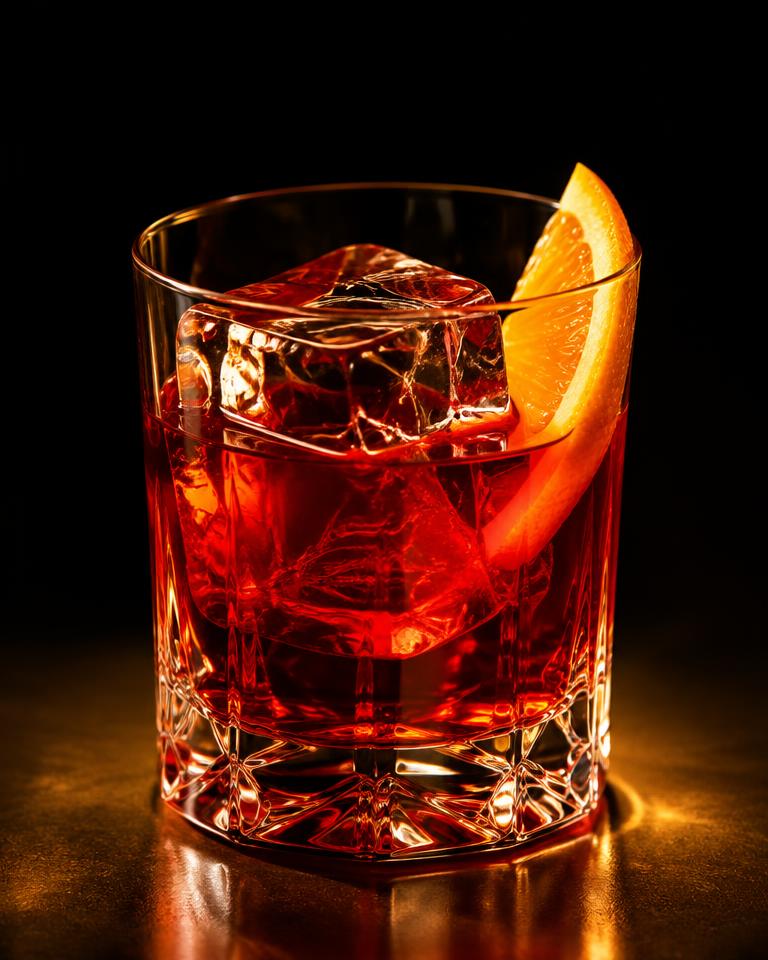 Gin
Negroni
Equal parts gin, Campari and sweet vermouth — bittersweet and assertive.
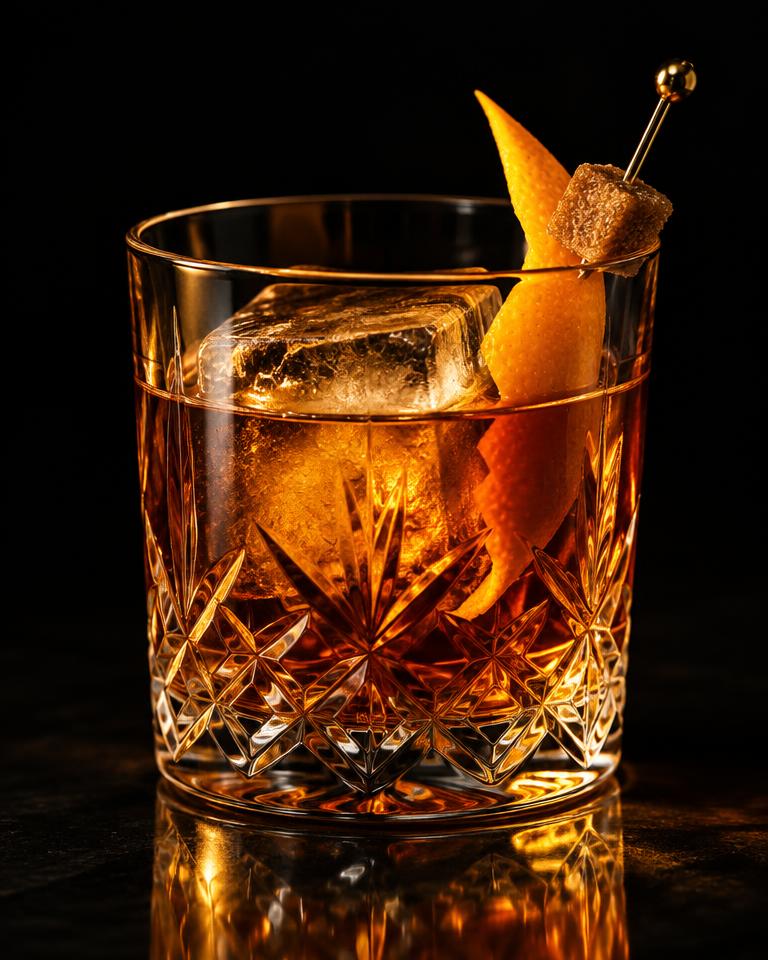 Whiskey
Old Fashioned
Whiskey, sugar, bitters and water — the original definition of a cocktail.
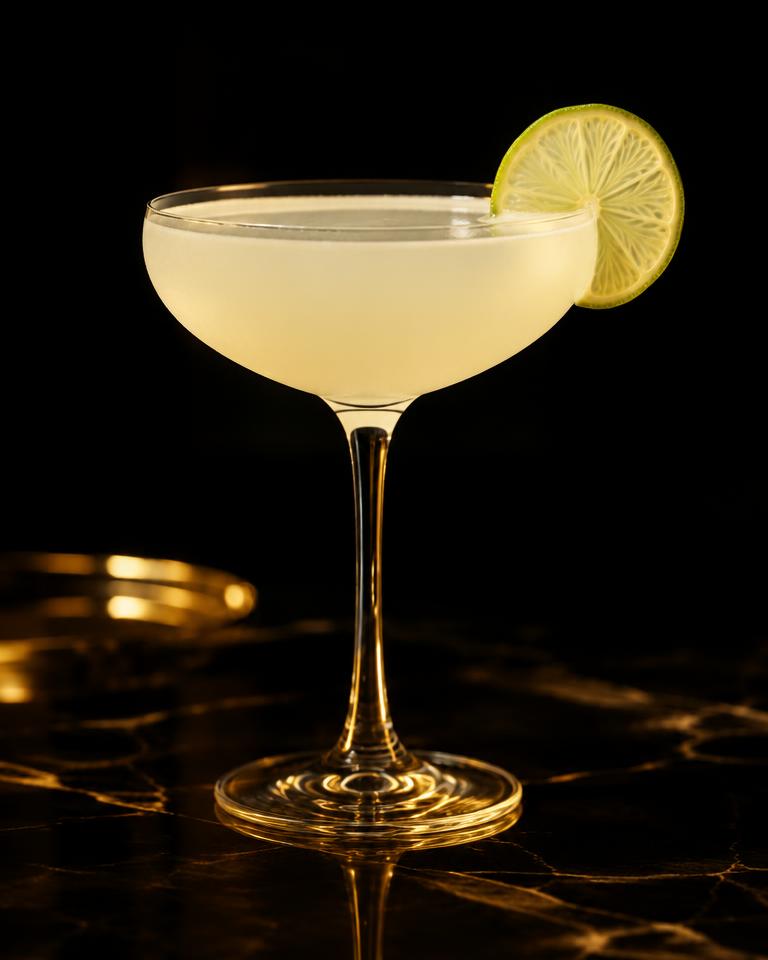 Rum
Daiquiri
White rum, lime and sugar — a bartender's benchmark of balance.
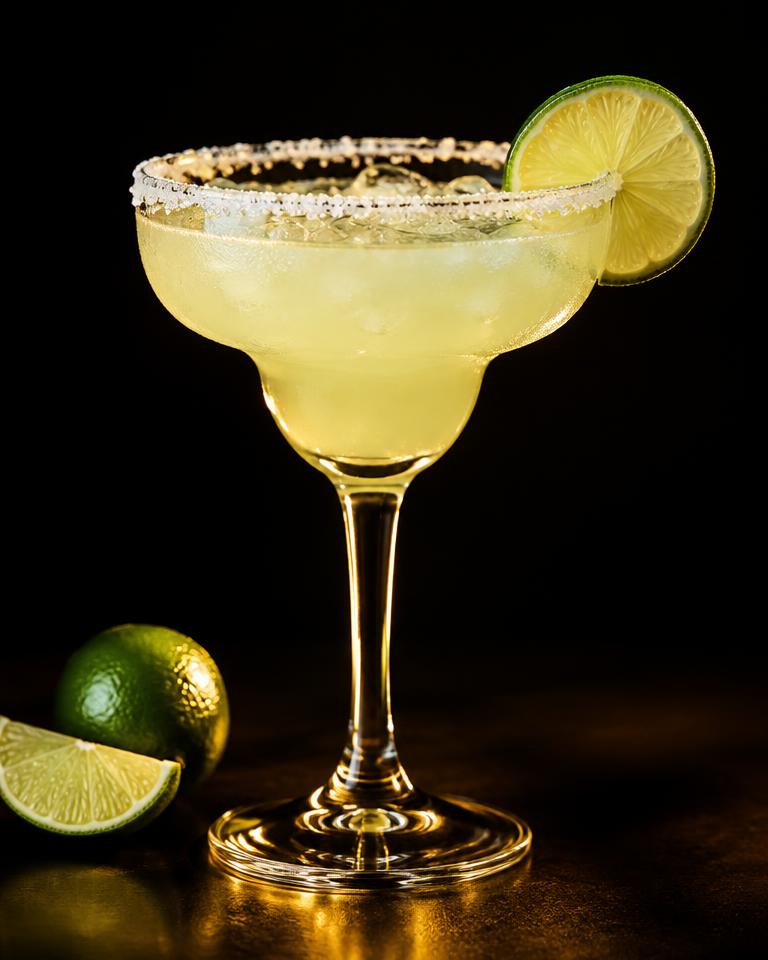 Tequila
Margarita
Tequila, orange liqueur and lime with a salted rim.