
Mixology & Technique
Advanced & Molecular Mixology
The purposes, measurement needs and safety limits of foams, spherification, clarification and fat washing.
01
Choosing technique by purpose
Advanced methods change texture, clarity or flavor delivery. Visual effect alone is not a good formula. Food-grade ingredients, precision scales, recorded specifications and training are required. Assess aroma, drinkability, safety and reproducibility together.
02
Foams and emulsions
Foam disperses gas in liquid; an emulsion holds normally immiscible liquids together. Pasteurized egg, aquafaba or suitable food ingredients can support foam. In a pressure siphon use only approved food gas and fill limits, releasing pressure safely before opening. Maintain allergen controls and refrigeration.
03
Direct and reverse spherification
Alginate and calcium can form a thin gel membrane. Direct methods place alginate in flavored liquid; reverse methods place calcium in liquid and alginate in the bath. Acidity, calcium, alcohol and time affect results. One formula cannot suit every beverage: follow supplier food-use guidance and validated specifications.
04
Clarification and fat washing
Clarification removes suspended particles and changes appearance and texture; milk introduces allergens. Fat washing transfers flavor from fat to a suitable spirit before separation; removing fat does not prove all allergens are gone. Small batches, temperature control and labeling are required for fresh ingredients and processing. These techniques are not home distillation.
05
Variables in gels, foams and clarification
Direct spherification places alginate in flavored liquid and calcium in a bath; reverse methods change that arrangement. Acidity, calcium and alcohol affect gel formation, so a formula for one juice may not work in another base. Use food-grade ingredients, precise scales and manufacturer guidance. Membrane thickness can change with time; test small amounts before serving.
Foam depends on viscosity, stabilizer and gas. Follow siphon capacity and pressure instructions and do not open questionable equipment. Milk clarification does not prove complete removal of milk allergens; separated fat in fat-washing does not prove allergen elimination either. Clarity or low pH cannot validate shelf life. Experimental texture must remain subordinate to ergonomic service, hygiene and allergen disclosure.
Related cocktails
Related cocktails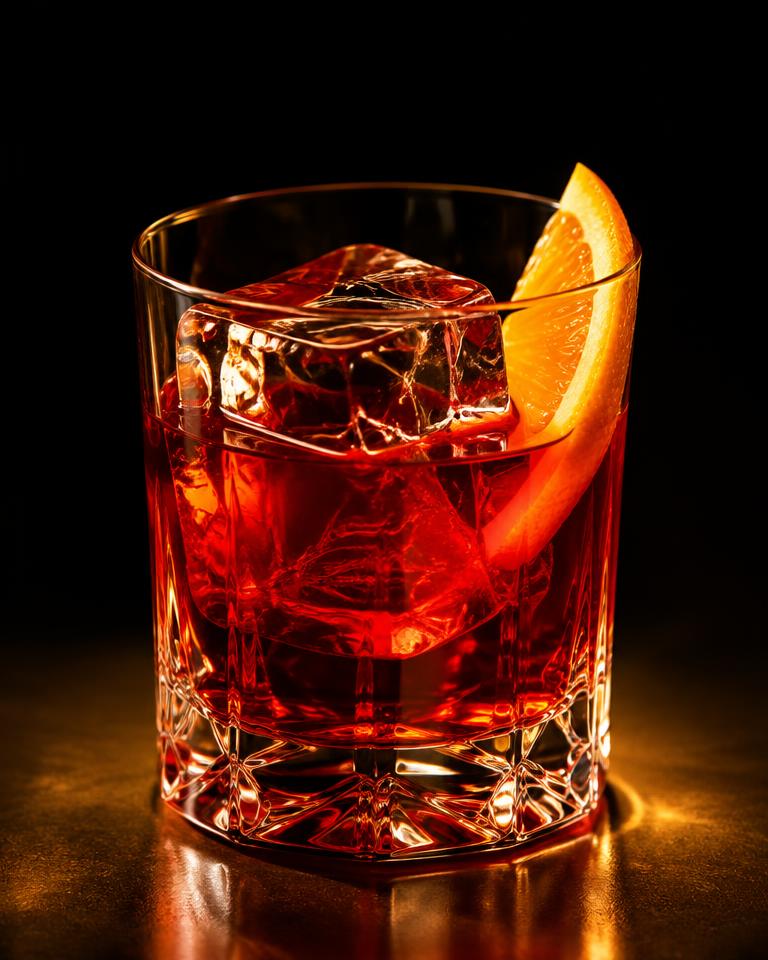 Gin
Negroni
Equal parts gin, Campari and sweet vermouth — bittersweet and assertive.
 Whiskey
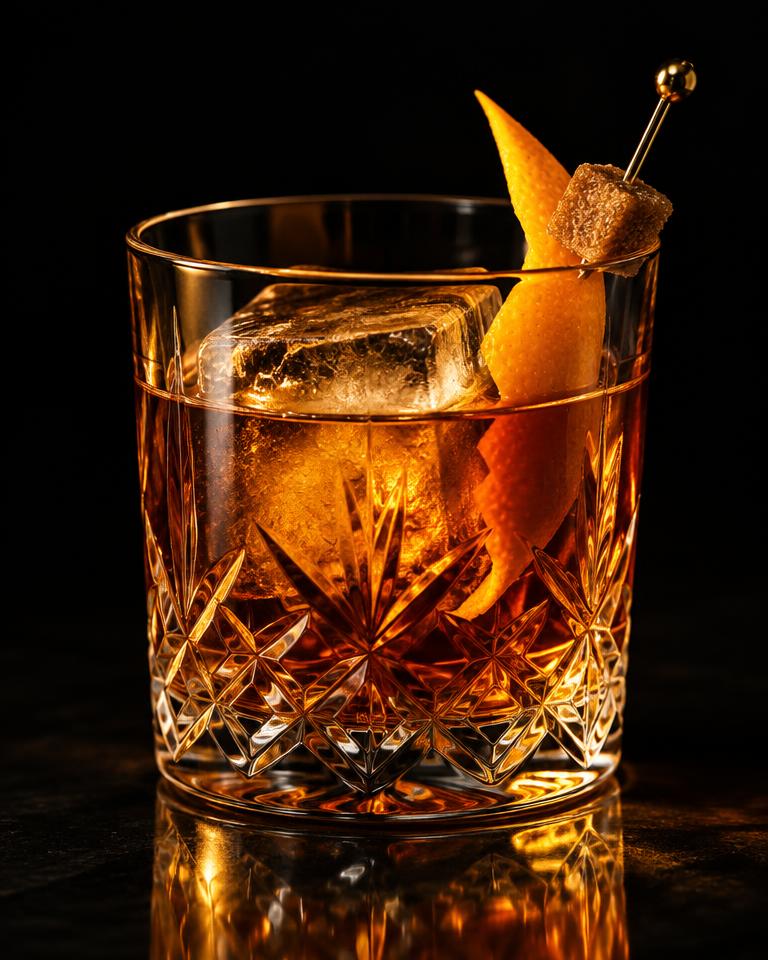
Old Fashioned
Whiskey, sugar, bitters and water — the original definition of a cocktail.
 Rum
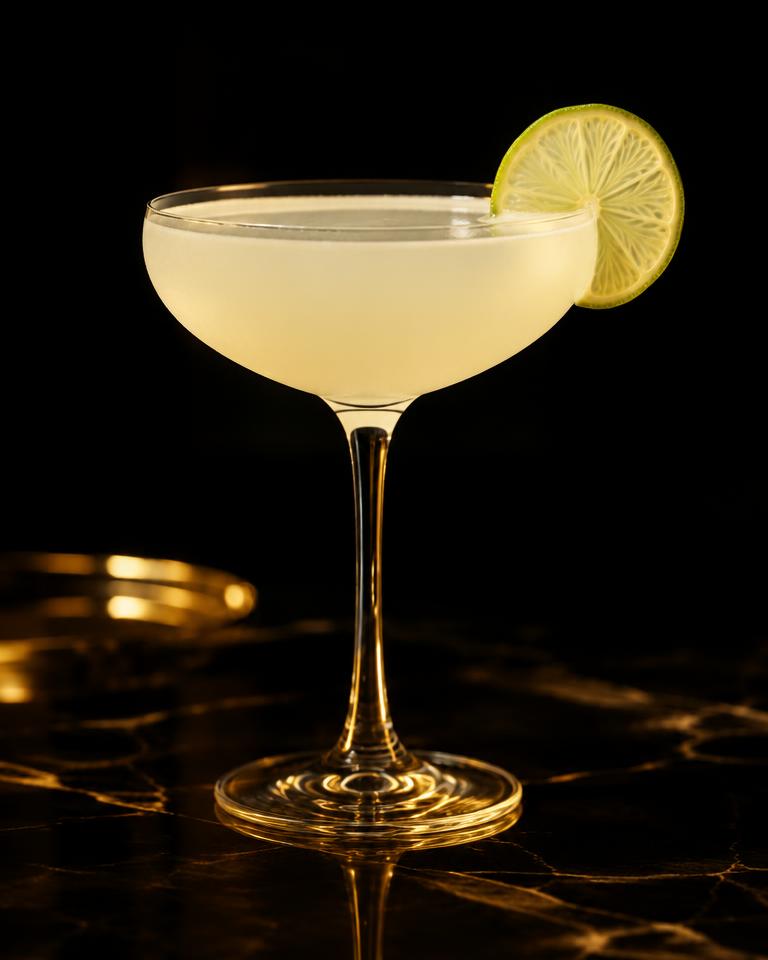
Daiquiri
White rum, lime and sugar — a bartender's benchmark of balance.
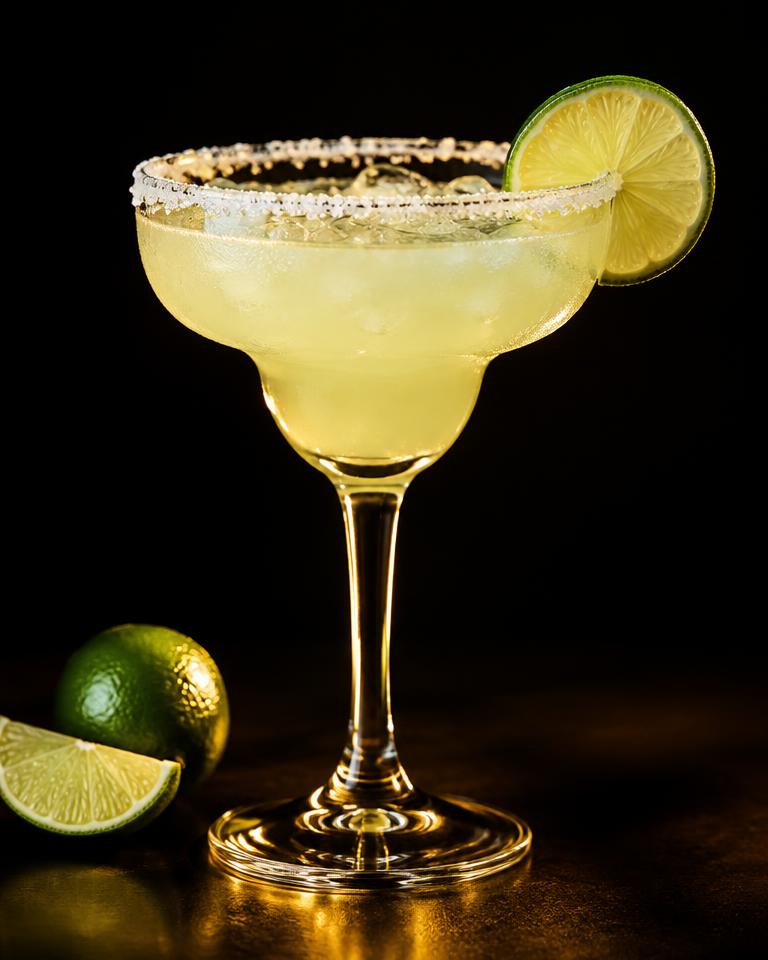 Tequila
Margarita
Tequila, orange liqueur and lime with a salted rim.