

Bar Knowledge
Drink Menus & Food Pairing
Balanced menu coverage, clear descriptions, allergens and matching aroma and texture with food.
01
Building menu coverage
Offer variety in base, flavor, texture and alcohol level. Classics, signatures and alcohol-free choices should fit team capacity. A book's example menu size is not compulsory for every venue; excess choice increases prep and stock burden. Shared ingredients improve efficiency without making every drink taste alike.
02
Clear accurate descriptions
Describe base, dominant aroma and important texture briefly. Present price, serving size and allergens according to local rules. Distinguish low alcohol from alcohol-free. Avoid health, detoxification or digestive-treatment promises. Update descriptions and training when ingredients change.
03
Pairing with food
Begin with intensity and texture: citrus brightness can contrast rich food, while shared herbs or spices create similarity. High alcohol may intensify chili heat and very sweet drinks can overpower food. Pairing is personal and contextual, not a rigid rule. Alcohol-free drinks can pair effectively through acid, aroma and texture.
04
Testing and menu standards
Test food and drink together at real service temperatures. Kitchen and bar teams should assess portions, timing and aroma jointly. Track sales, feedback and waste. Do not expect identical results from a fruit name across seasons; check the formula with new supplies.
05
Menu identity, price and sensory comparison
Menus should clearly state names, key ingredients, prices and relevant allergens. Lengthy history can remain in guides while menu lines describe actual flavor. Use consistent language for sweetness, acidity, bitterness and intensity. Smoothness does not prove low alcohol, so communicate carefully about strong but approachable drinks. Offer more than one sugary alcohol-free option.
Pair through shared aromas or controlled contrast. Acid can enliven fatty food, carbonation changes texture and tannin adds astringency. Taste pairings together because food changes drink perception. Shared prep improves inventory efficiency without giving every drink one profile. Retest substitutions when seasonal ingredients disappear, and disclose changes rather than silently serving a different product.
Related cocktails
Related cocktails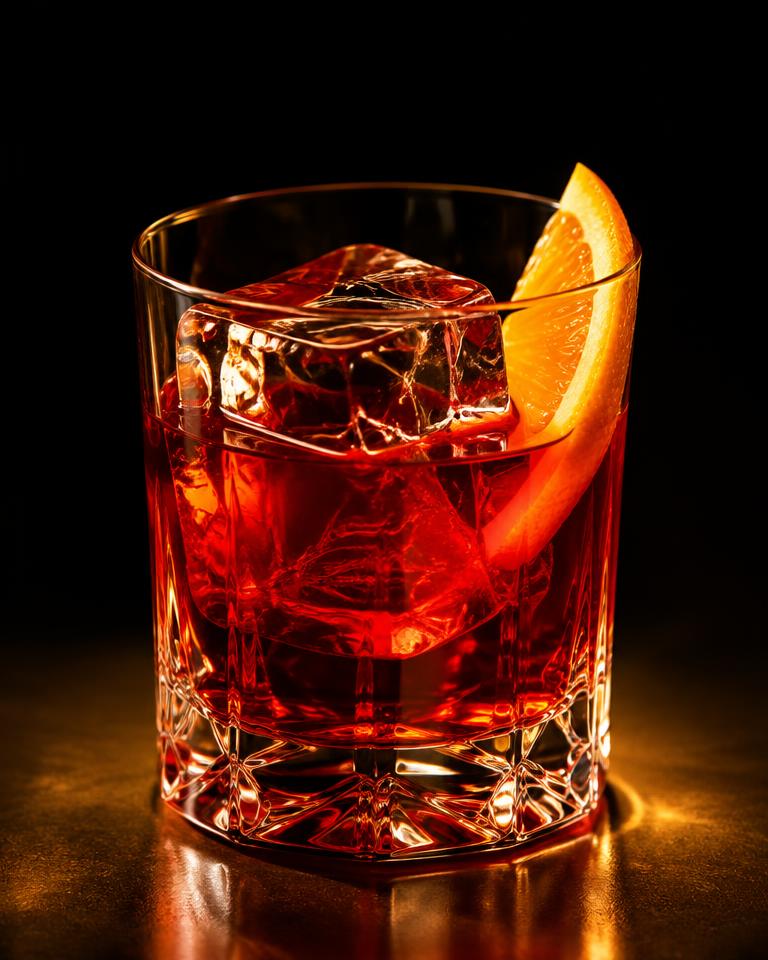 Gin
Negroni
Equal parts gin, Campari and sweet vermouth — bittersweet and assertive.
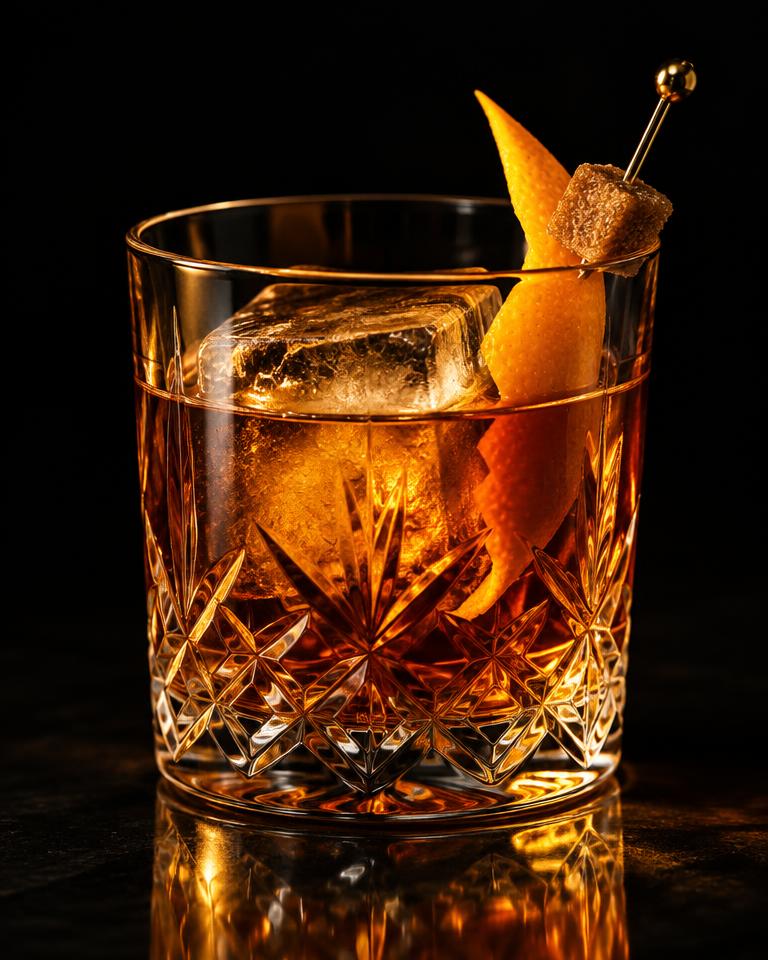 Whiskey
Old Fashioned
Whiskey, sugar, bitters and water — the original definition of a cocktail.
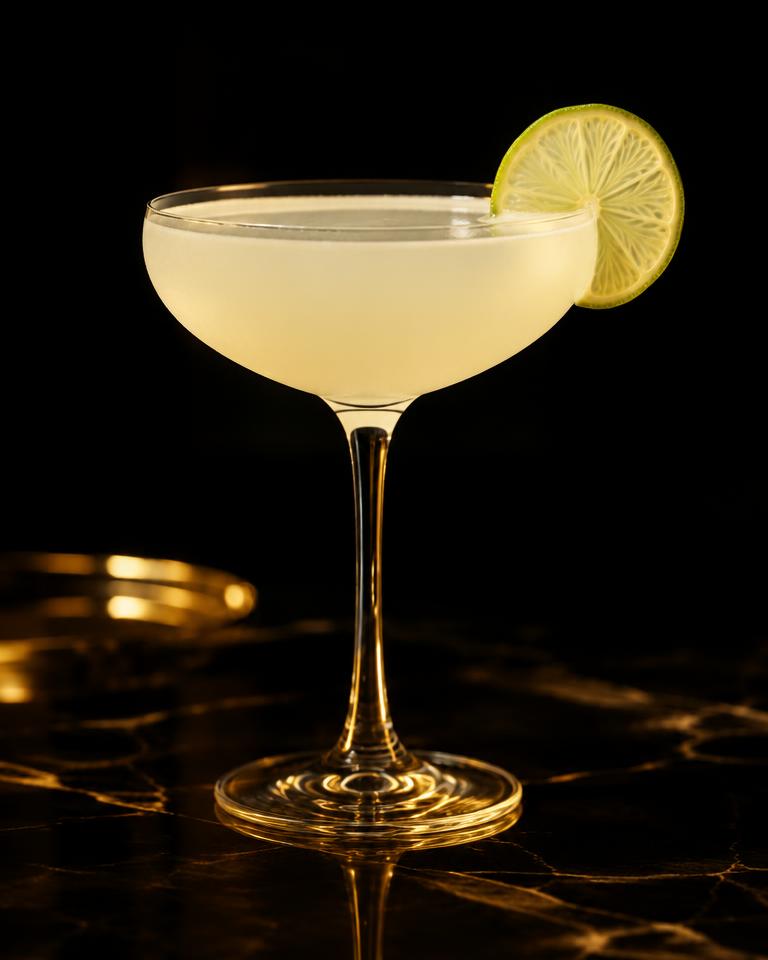 Rum
Daiquiri
White rum, lime and sugar — a bartender's benchmark of balance.
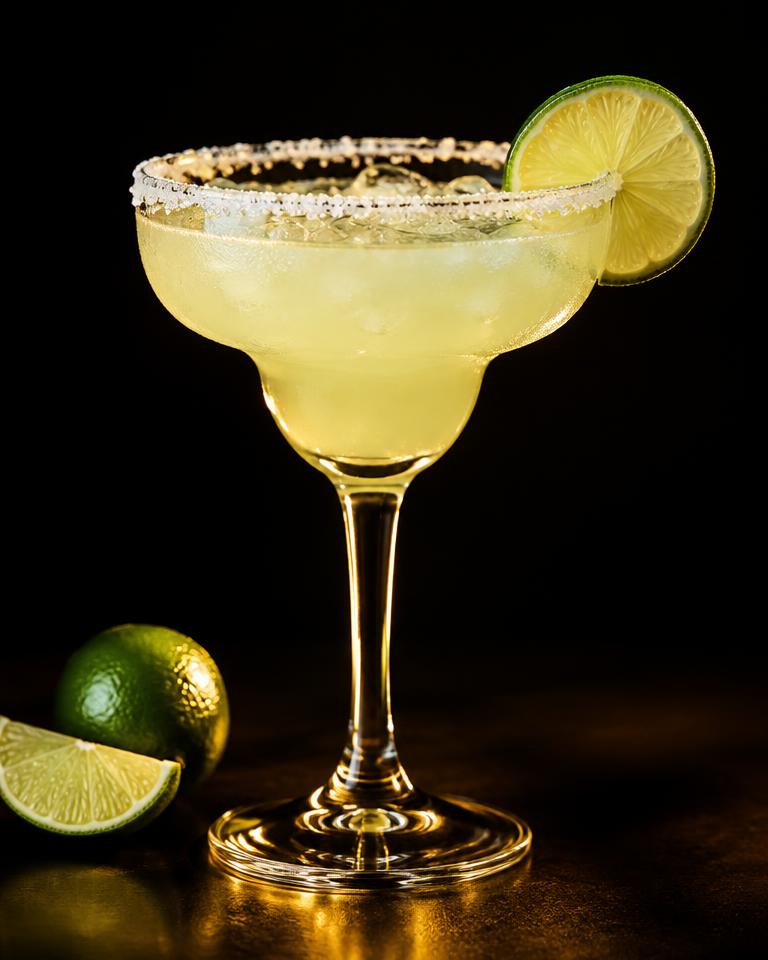 Tequila
Margarita
Tequila, orange liqueur and lime with a salted rim.