
Foundations of Spirits
Maturation & Oak
What happens when spirit, wood, oxygen and climate meet over time.
01
More than waiting
A barrel is an active environment. Extraction brings color, tannin, spice and sweet aromas; oxidation and evaporation gradually reshape the spirit.
02
Variables of the cask
Wood species, previous use, toast or char level, barrel size, warehouse position and climate all matter. An age statement alone cannot describe quality.
- American and European oak
- Ex-bourbon and fortified-wine casks
- Blending after maturation
03
How casks change character
Wood-derived compounds can contribute vanilla, spice, toasted notes and tannic texture. Newly charred American oak and a previously used wine cask do not produce the same effect. Cask history, size and reuse change extraction; deep color does not always indicate great age.
04
Climate, loss and blending
Temperature cycles change interaction between liquid and wood. Water and alcohol evaporate at different rates depending on humidity and storage; the loss is known as the angels' share. Producers may blend casks for consistency. When using a very tannic spirit in a cocktail, reassess bitterness, sugar and dilution.
05
Reading age statements
Age must be interpreted within a category's regional labeling rules; in blends it often refers to the youngest component. Cask maturation does not continue after bottling. Store bottles upright, away from sunlight and heat; an older, more intense spirit is not necessarily better for every recipe.
06
Charring, toasting and cask history
Toasting changes wood through heat; charring creates a carbonized surface. They influence vanilla-like, spicy and toasted notes differently and can be used together. New casks often extract strongly, while reused casks act more gently or differently. Previous wine or spirit residues work alongside wood aromas; a cask finish does not turn a spirit into the previous beverage.
Small barrels offer more surface relative to volume, but fast color extraction does not accelerate every maturation process. Warehouse temperature, humidity and air movement affect evaporation. Water and alcohol can escape at different rates, so strength does not move in one direction in every climate. Record woody dryness separately from fruit character. Darker color does not always mean greater age, and color adjustment is allowed in some categories. Interpret age statements and cask claims within their category rules.
07
Oak species and cooperage
Oak dominates spirit maturation because its tight yet porous structure holds liquid while allowing slow oxygen exchange. American white oak (Quercus alba) is rich in vanillin and lactones, giving vanilla, caramel and coconut. European oak (Quercus robur and petraea) contains more tannin, adding spice, dried fruit and a dry texture. Japanese mizunara oak is rare and prized for sandalwood and incense aromas.
Cooperage is a skilled craft. Staves are air-dried for years, softening harsh tannins. Barrels are bent over fire, and the interior is either toasted or charred. Toasting caramelises wood sugars and releases vanilla and spice; charring creates a charcoal layer that filters harsh compounds. Char levels are numbered 1 to 4, the heaviest known as 'alligator char'.
08
What happens in the cask?
Maturation is explained by three processes. In the additive process, colour, vanillin, tannin and wood sugars pass from oak into the spirit. In the subtractive process, the charcoal layer captures sulphurous and harsh compounds. In the interactive process, oxygen entering through the wood reacts with acids and alcohols to form new esters and rounder aromas.
Temperature swings drive the spirit in and out of the wood: in heat it expands deep into the staves, in cold it retreats. Maturation is therefore more dynamic in regions with marked seasons. Warehouse type matters too: traditional stone-floored, damp 'dunnage' warehouses give slow, balanced maturation, while the upper floors of multi-storey 'rickhouses' give fast, intense results. The same spirit can differ depending on where it rested.
09
Cask size, previous use and finishing
Smaller casks have more wood contact relative to volume, speeding maturation. Common sizes include the roughly 200-litre bourbon barrel, 250-litre hogshead, and 500-litre sherry butt and puncheon. Very small quarter casks can give fast but sometimes unbalanced results.
Previous contents leave aroma. Used bourbon casks give vanilla and sweetness, oloroso sherry casks dried fruit, walnut and spice, Pedro Ximénez casks intense sweetness, port and wine casks red fruit, and rum casks tropical notes. In finishing, a spirit that has completed its main maturation spends months or years in a different cask to gain an extra layer.
- Bourbon cask: vanilla, caramel
- Oloroso sherry: dried fruit, walnut, spice
- Pedro Ximénez: intense sweetness, raisin
- Port and wine: red fruit
- Rum cask: tropical fruit
10
Solera, climate and after bottling
The solera system, developed in Spain for sherry and brandy, is a fractional blending method. Casks are stacked in tiers; for bottling a portion is drawn from the oldest bottom tier and replaced with younger spirit from the tier above. Every bottle thus contains spirits of different ages and a consistent house style is maintained. The method is also used for rum and some whiskies.
Climate sets the pace: annual evaporation is about 2 percent in Scotland but can reach 8–12 percent in India or the Caribbean. A few years in a hot climate can therefore match much longer ageing in a cool one. Once bottled, spirits do not age like wine; store bottles upright in a cool, dark place. Air left in an open bottle slowly weakens aroma.
Related cocktails
Related cocktails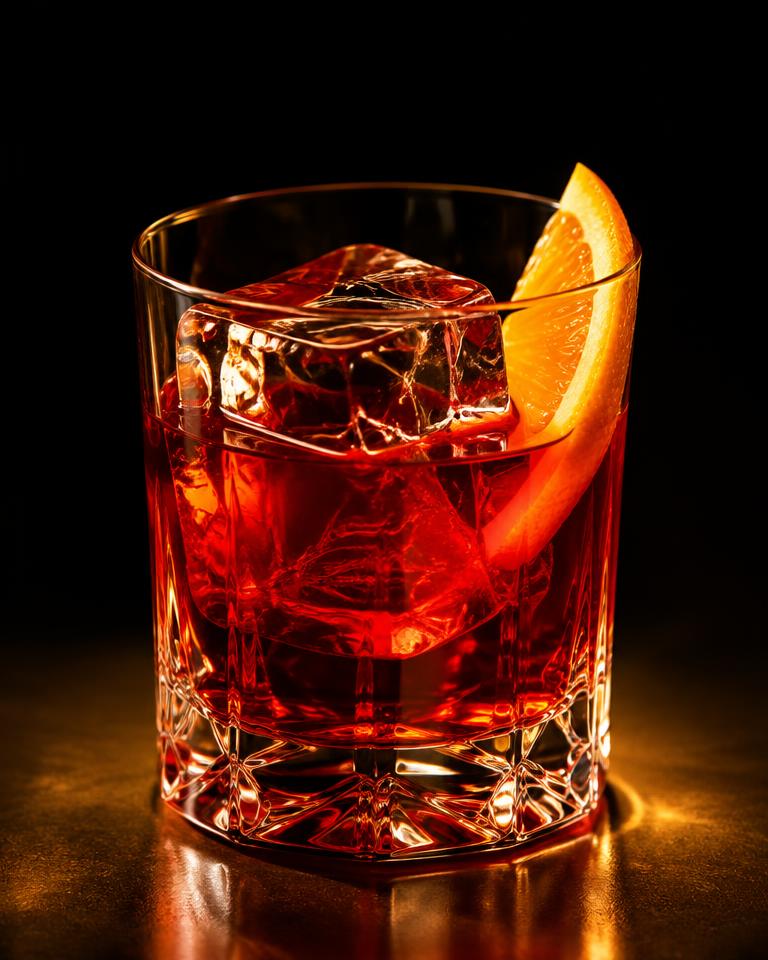 Gin
Negroni
Equal parts gin, Campari and sweet vermouth — bittersweet and assertive.
 Whiskey
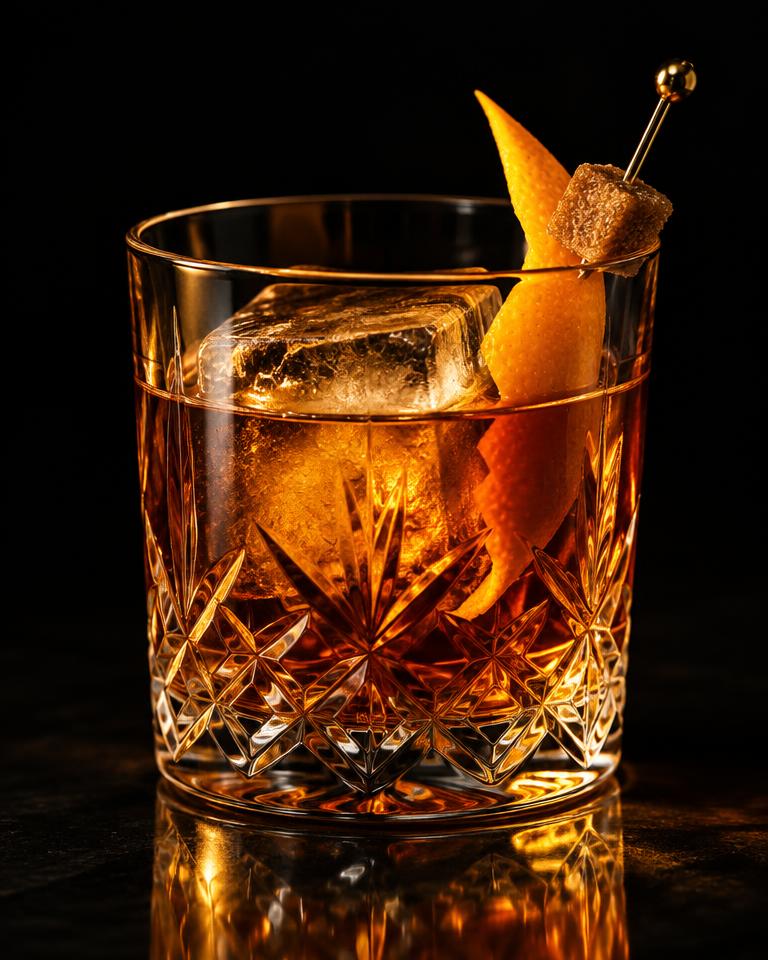
Old Fashioned
Whiskey, sugar, bitters and water — the original definition of a cocktail.
 Rum
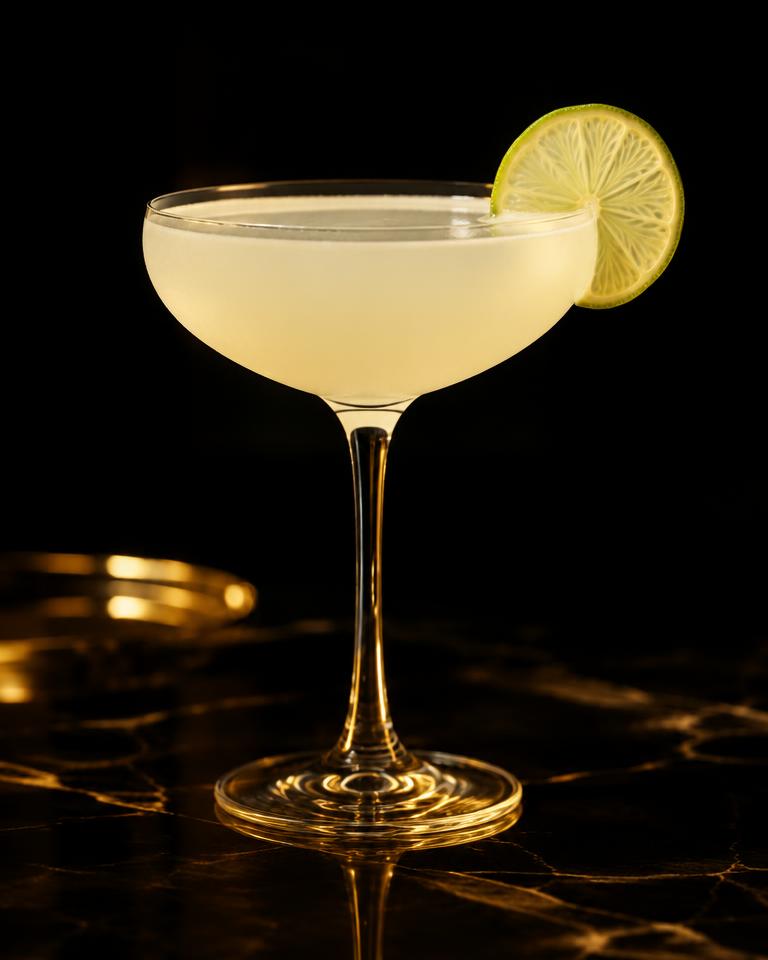
Daiquiri
White rum, lime and sugar — a bartender's benchmark of balance.
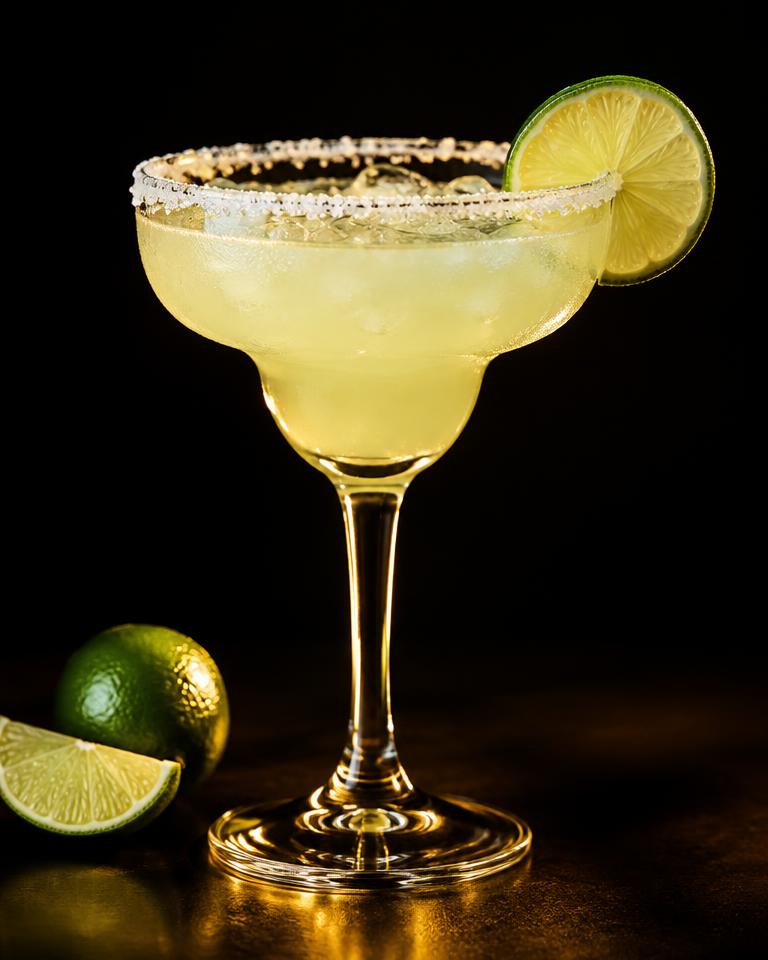 Tequila
Margarita
Tequila, orange liqueur and lime with a salted rim.