
Spirit Guides
Liqueurs
Flavor extraction, sweetness, allergens and substitution in fruit, coffee, herbal and cream liqueurs.
01
How liqueurs are made
Liqueurs combine an alcoholic base with flavor and sweetening. Fruit, peel, spices, coffee, cocoa or herbs may contribute through steeping, distillation or appropriate extracts. Maceration steeps solids in liquid; percolation passes liquid through aromatic material. Color, strength and sugar can vary greatly within one flavor family.
02
Main flavor families
Orange liqueurs offer citrus, maraschino a drier cherry-and-kernel character, and amaretto almond-like notes. Coffee, cocoa, mint and complex herbal products serve different roles. Crème de generally names a high-sugar category rather than automatically indicating dairy. Cream liqueurs may contain dairy: read the label.
03
Sweetening contribution in a recipe
A liqueur adds sugar, water and alcohol as well as flavor. Equal-volume orange-liqueur substitutions may differ in strength and sweetness. Consider its amount together with any added syrup. Powerful herbal products can obscure the base, so trial small quantities and record results.
04
Allergens and storage
Verify nuts, dairy, egg and sulfites on the product label; a flavor name does not guarantee absence of allergens. Follow opened-storage instructions especially for cream or low-strength products. Keep bottles closed and date them. Adding a liqueur to an alcohol-free formula makes it alcoholic; alcohol-containing bitters need the same care.
05
Extraction, sugar and liqueur families
Maceration steeps ingredients; percolation passes liquid through a material bed; distilled flavor bases select compounds differently. Liqueurs can combine methods. Fruit, coffee, herbal and cream families differ in aroma and texture. Crème does not always mean dairy, as in crème de menthe or cacao; verify milk on labels.
Triple sec, curaçao and maraschino are not aromatic equivalents. Cherry liqueurs have distinct methods and profiles. Follow producer storage guidance for opened cream products. Liqueurs add sugar, alcohol and aroma together, so equal syrup volume does not reproduce their role. Actual density must be tested for layering. Prevent cross-contact when allergenic liqueurs share measures or pourers.
06
What is a liqueur: definition and methods
A liqueur is a spirit flavoured with sources such as herbs, fruit, spices, seeds or cream and sweetened with sugar. In the EU a liqueur must contain at least 100 grams of sugar per litre; those with at least 250 grams are called 'crème de', with crème de cassis requiring 400 grams. The word crème in 'crème de menthe' does not mean dairy cream.
Several extraction methods are used. In maceration, ingredients steep in cold spirit for weeks, ideal for fruit. In infusion or percolation, spirit is circulated through the ingredients much like brewing coffee. In distillation, ingredients are distilled with spirit to capture delicate aromas, as in many citrus and herbal liqueurs. Cheaper liqueurs may use natural or artificial essences.
07
Liqueur families
Citrus liqueurs are the most widely used cocktail modifiers. Triple sec is a clear liqueur distilled from bitter and sweet orange peels; Cointreau is a well-known example. Curaçao is named after the Caribbean island and its laraha orange; its blue colour is pure dye. Grand Marnier is a cognac-based orange liqueur. Limoncello is made on Italy's Amalfi coast by macerating lemon peel.
Herbal liqueurs were born in monastic traditions. Chartreuse is made in green and yellow versions from a secret recipe of 130 plants; Bénédictine is another monastic liqueur with honey and spice. Galliano carries vanilla and anise, Drambuie Scotch whisky, honey and herbs. Coffee, cocoa and nut liqueurs (Kahlúa, crème de cacao, amaretto, Frangelico) underpin sweet and digestif drinks. Fruit liqueurs include maraschino (cherries distilled with their stones), cassis, Chambord and peach. Cream liqueurs contain dairy and should be refrigerated after opening.
- Citrus: triple sec, curaçao, Grand Marnier, limoncello
- Herbal: Chartreuse, Bénédictine, Galliano, Drambuie
- Coffee and nut: coffee liqueur, amaretto, Frangelico
- Fruit: maraschino, cassis, peach
- Cream: keep refrigerated
08
Using liqueurs in cocktails and storage
Liqueurs are both sweetener and flavour source, so syrup should be reduced when adding them. In the Margarita and Sidecar, triple sec balances acidity while adding orange aroma. In the Last Word, green Chartreuse and maraschino in equal parts build an intense yet balanced structure. In the Kir and Kir Royale, cassis adds colour and fruit to wine.
Most liqueurs keep for a long time thanks to sugar and alcohol, though aroma fades after opening. Store bottles away from sunlight, in a cool place with caps tight. Liqueurs containing cream, egg or fresh fruit should be refrigerated and consumed within the producer's stated period. Nut, almond, dairy and egg liqueurs should be flagged on menus for allergens.
Related cocktails
Related cocktails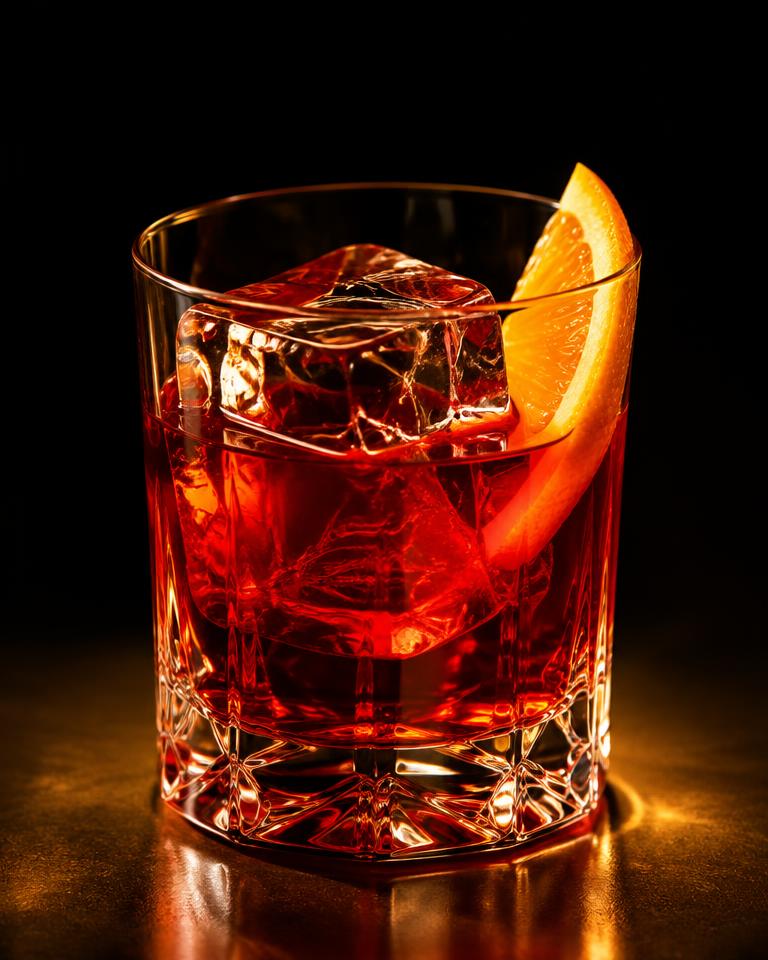 Gin
Negroni
Equal parts gin, Campari and sweet vermouth — bittersweet and assertive.
 Whiskey
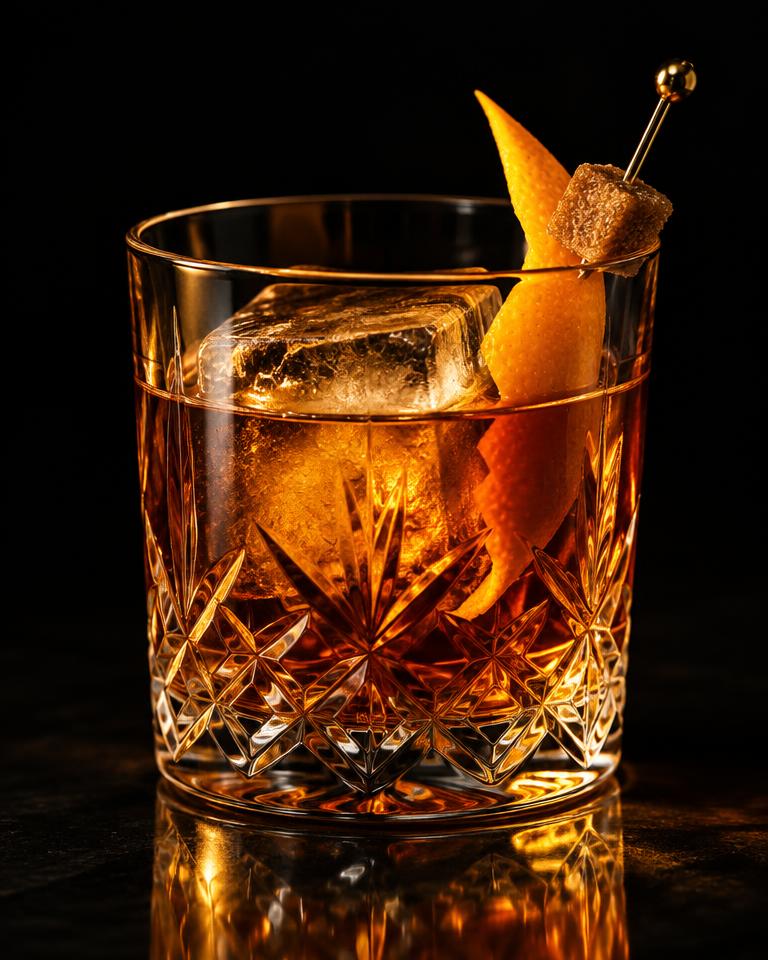
Old Fashioned
Whiskey, sugar, bitters and water — the original definition of a cocktail.
 Rum
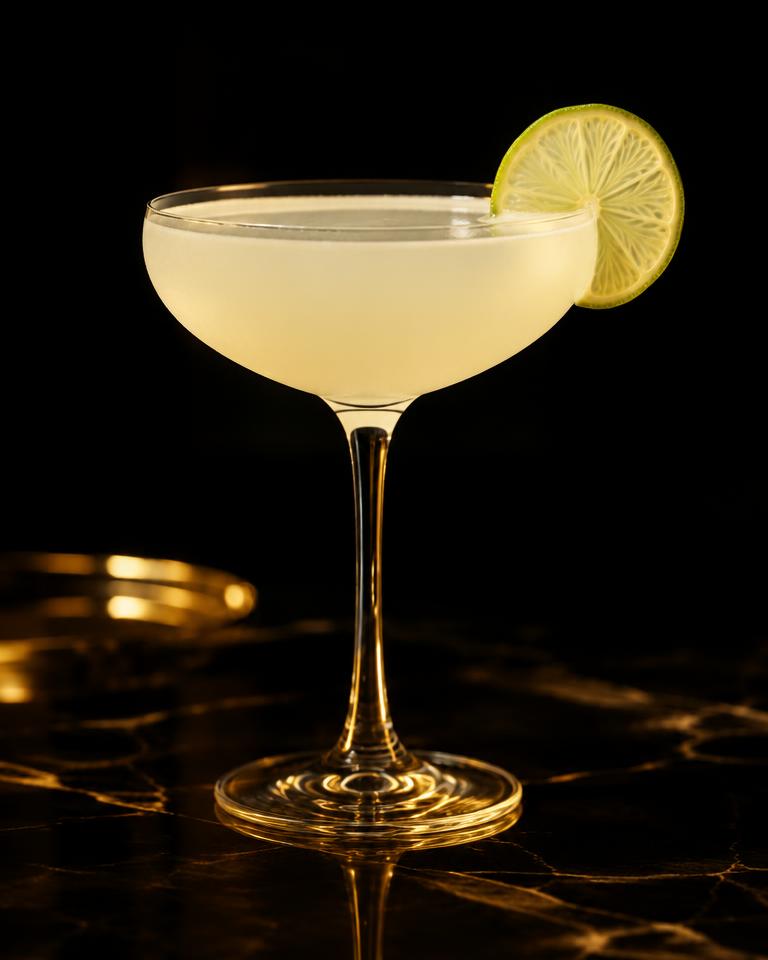
Daiquiri
White rum, lime and sugar — a bartender's benchmark of balance.
 Tequila
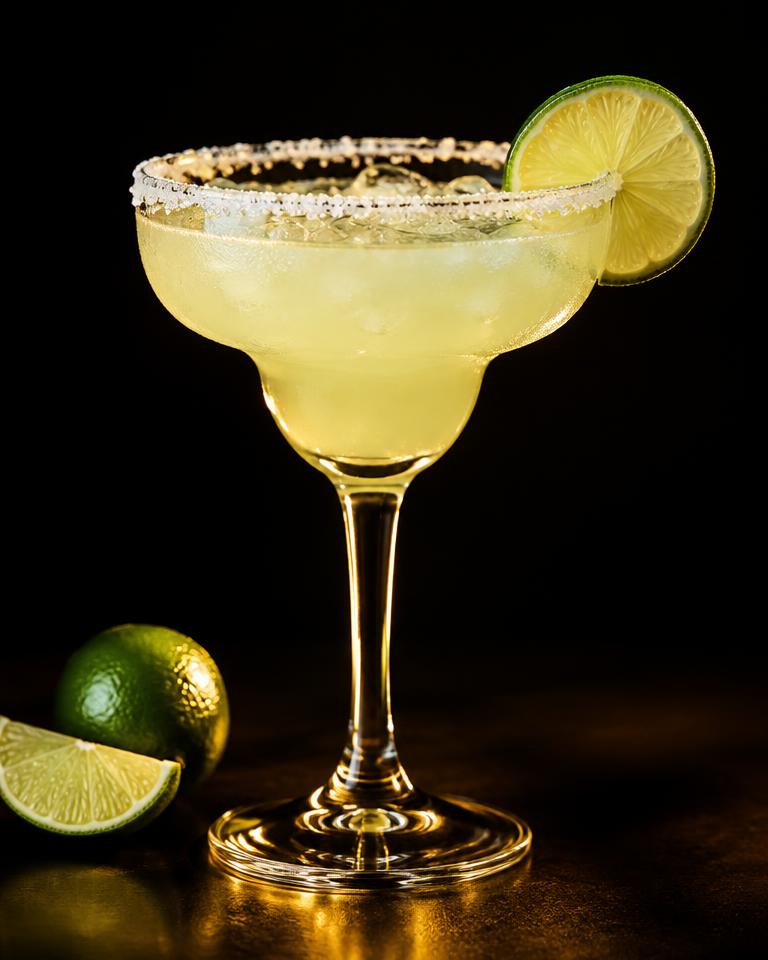
Margarita
Tequila, orange liqueur and lime with a salted rim.