Mixology & Technique
Layering & Precise Measurement
Layering by density, using jiggers and understanding free-pouring limits.
01
Density and layers
Liquids of different density can briefly form separate layers when poured gently. Sugar tends to increase density and alcohol to decrease it, but actual composition matters. Different brands with the same name may not have equal density. Historical tables are not definitive measurements for current products.
02
Pouring over a spoon
A denser layer usually starts at the bottom. Pour the next liquid slowly over a spoon close to the surface without stirring. Test small quantities first. Layering is visual, but consider how the drink will be consumed and its total alcohol. Never ignite a high-proof top layer.
03
Consistency with a jigger
Hold a jigger level, fill to the intended mark and check markings with water. Dense syrup may remain in the tool, so use consistent pouring technique. A scale suits precise preparation while volume measures suit serving portions. Record units and tolerance; 1 cl equals 10 ml.
04
Limits of free pouring
Flow depends on liquid, temperature, bottle angle and pourer. There is no universal fixed volume per second. Even with regular water calibration, free pouring is harder to audit than a jigger. Measured pouring should be the default for costing, responsible service and precise balance.
05
Density order, temperature and actual products
Sugar raises density while alcohol generally lowers it relative to water. Both act together, so ABV alone cannot predict a liqueur's layer. Brands sharing a product name can contain different sugar levels. Density tables suggest starting order, not guaranteed results. Test actual products at similar temperatures, place the densest first and add lighter liquids slowly from nearby.
A spoon back spreads the stream; pouring from height can merge layers. Small density differences may not hold sharp boundaries for long. Stirring at service changes the intended experience and should be specified. Check jigger marks and actual capacities. A US fluid ounce is approximately 29.57 ml; an Imperial fluid ounce is approximately 28.41 ml. Regional pour sizes are contextual service practices, not safe-consumption allowances.
Related cocktails
Related cocktails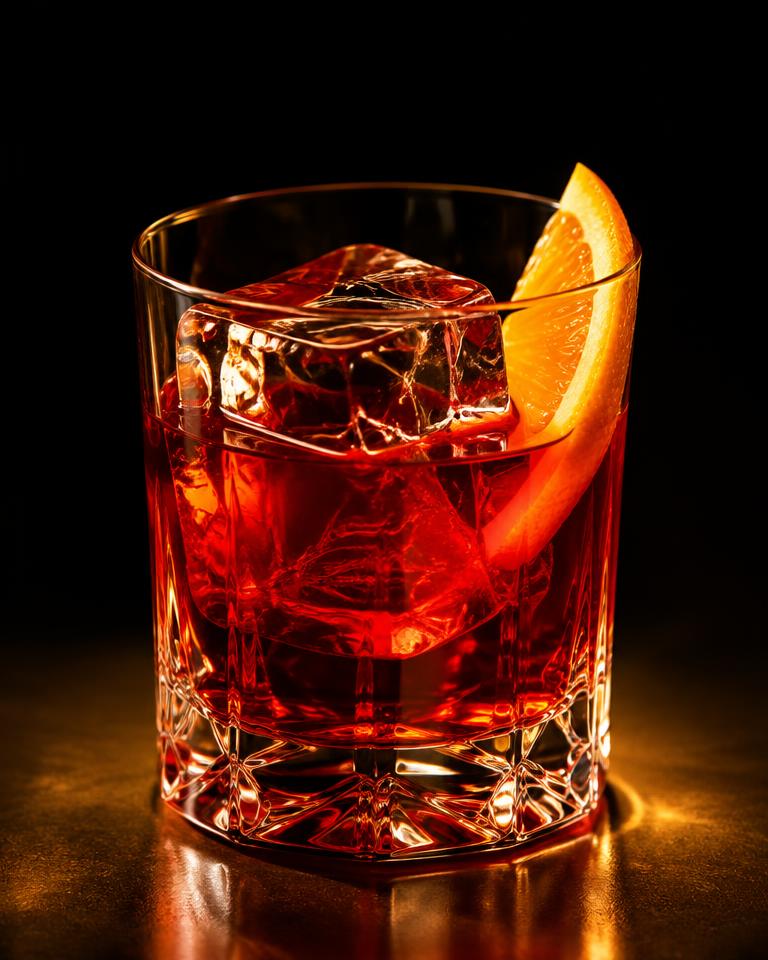 Gin
Negroni
Equal parts gin, Campari and sweet vermouth — bittersweet and assertive.
 Whiskey
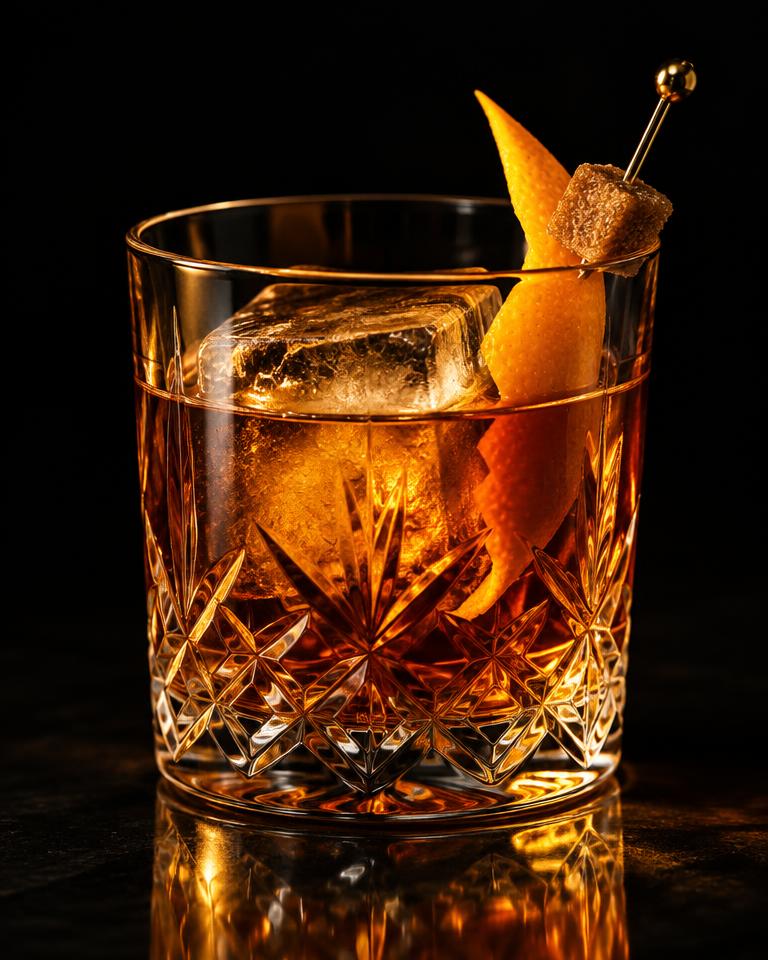
Old Fashioned
Whiskey, sugar, bitters and water — the original definition of a cocktail.
 Rum
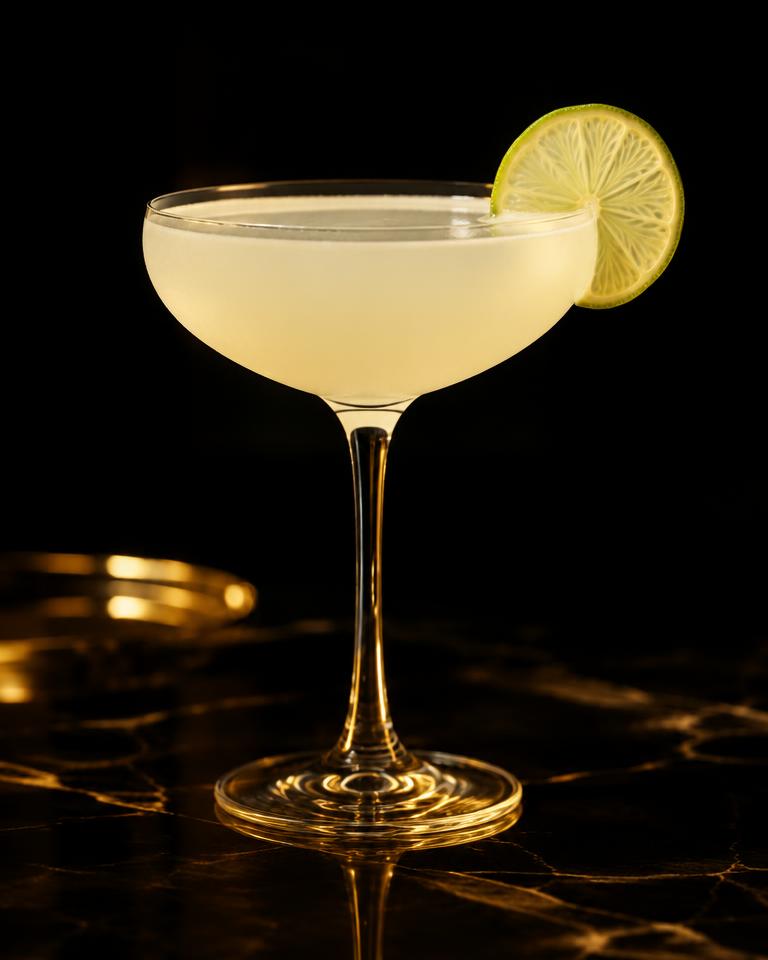
Daiquiri
White rum, lime and sugar — a bartender's benchmark of balance.
 Tequila
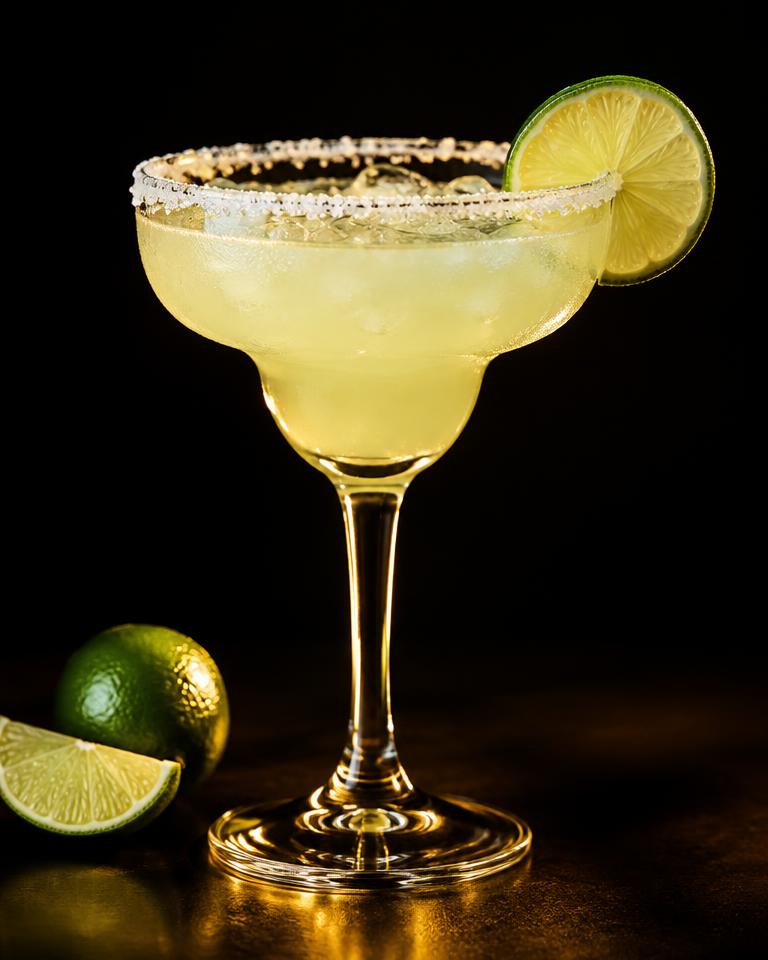
Margarita
Tequila, orange liqueur and lime with a salted rim.