
Mixology & Technique
Juices & Carbonated Mixers
Freshness, acidity and carbonation in citrus, purées, soda, tonic and ginger mixers.
01
Selecting and preparing fresh juice
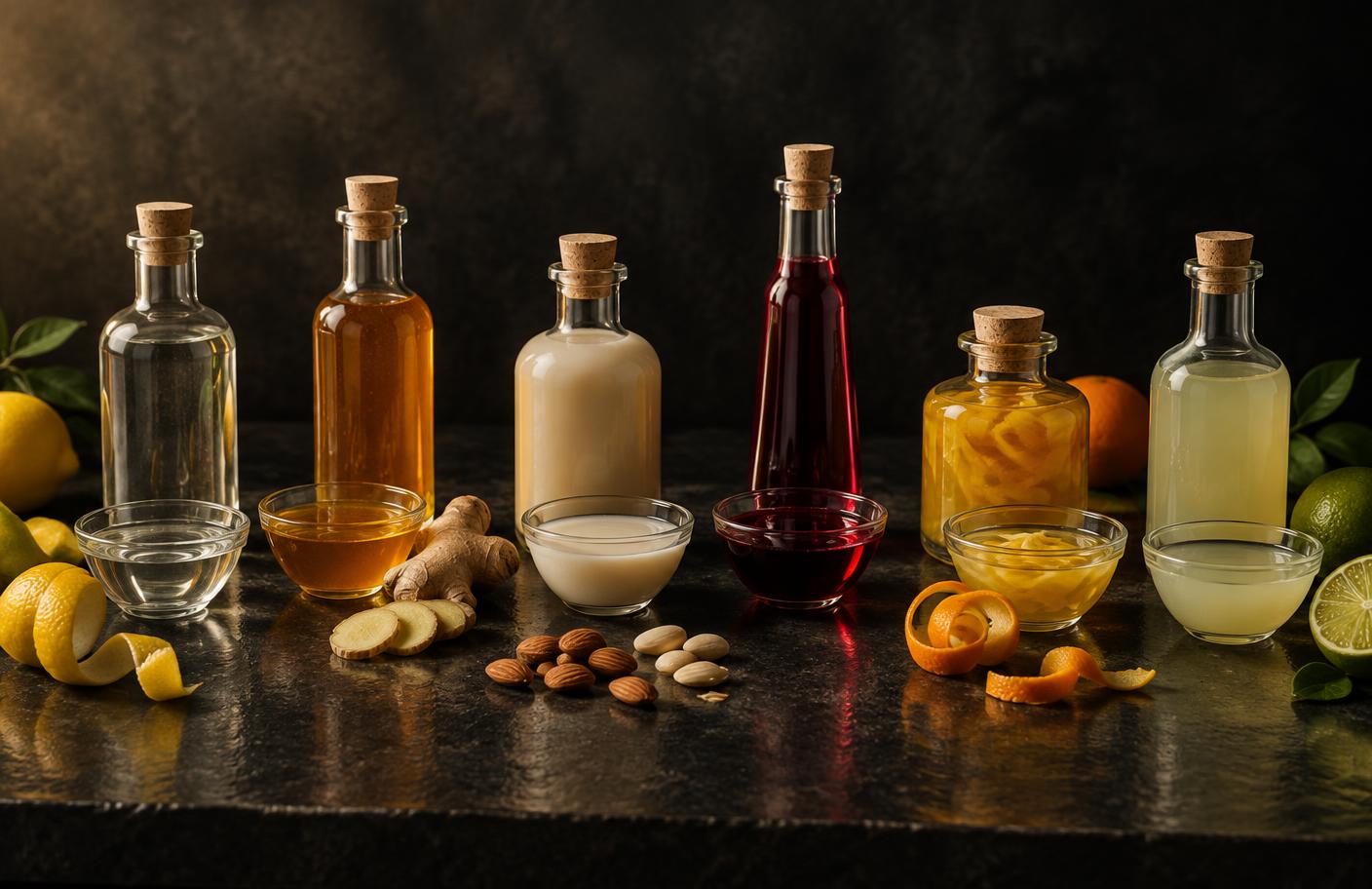
Wash fruit, reject spoiled portions and use a clean press. Lemon and lime are not equivalent in acid or aroma. Orange, pineapple and tomato contribute body and sugar too. Pulp level should follow the intended texture; not every juice needs clarification.
02
Labeling and cold storage
Prepare small batches, label contents, date and time, and refrigerate. There is no universal juice lifetime measured in service periods. Product, processing, temperature and the food-safety plan matter. Do not rely on smell after storage failures. Same-day citrus service is a useful quality starting point.
03
Soda, tonic and ginger
Soda adds water and bubbles; tonic also bitterness and usually sugar; ginger beer and ginger ale differ in ginger intensity. Check sugar and alcohol labels: ginger beer cannot always be assumed alcohol-free. Consider mixer sweetness in the formula. A sweet product may make additional syrup unnecessary.
04
Service that preserves carbonation
Keep mixers cold, open at service and add carbonation last. Vigorous prolonged stirring loses bubbles; integrate gently. Never shake carbonated drinks in a sealed shaker. Rather than assuming ice causes a fixed percentage loss, evaluate the product and actual service conditions.
05
Citrus batches, pulp and carbonation
Citrus variety, ripeness and storage affect acid and aroma. Equal volumes of orange and lemon juice do not provide equal sourness. Standardize straining: heavy pulp changes foam and texture. Read bottled juice labels for concentrate, added sugar and preservatives; 100% juice is not necessarily sensorially identical to fresh juice.
Tonic, soda, ginger ale and ginger beer are not direct equivalents. Tonic contributes sugar and quinine bitterness; ginger beer may contribute stronger ginger character. Keep mixers cold, open at service and combine briefly to preserve carbonation. Holding opened mixers in large vessels may save time but reduce quality. Prepare fresh juice in dated small batches; smell alone cannot resolve a failed cold chain. Recipe cards should specify product type and sweetness as well as brand.
Related cocktails
Related cocktails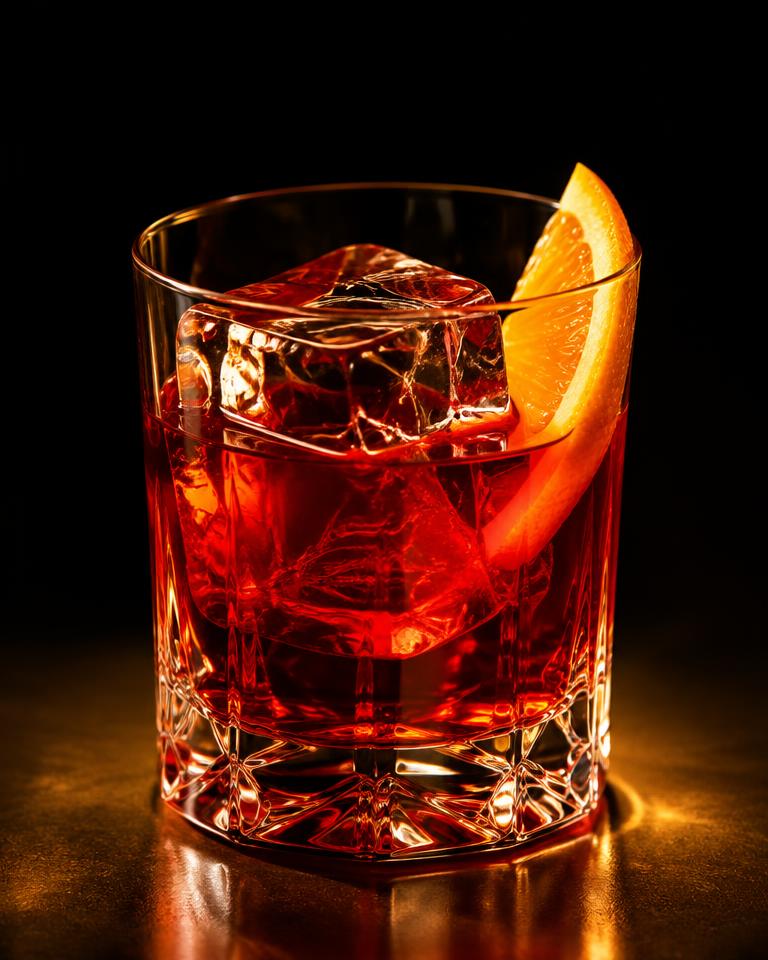 Gin
Negroni
Equal parts gin, Campari and sweet vermouth — bittersweet and assertive.
 Whiskey
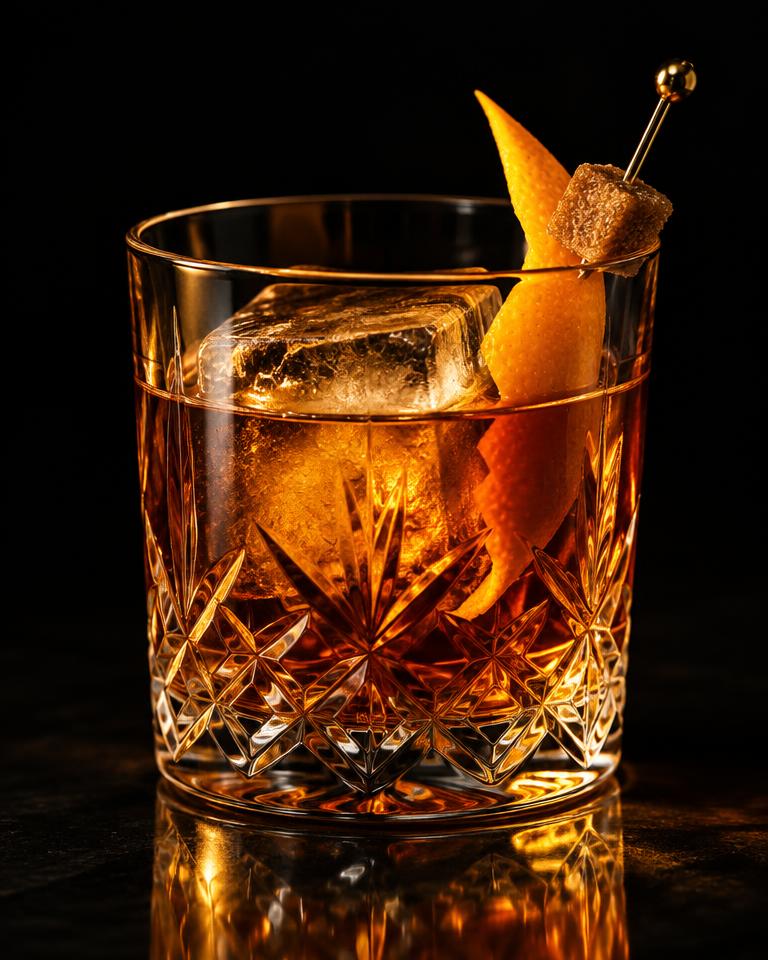
Old Fashioned
Whiskey, sugar, bitters and water — the original definition of a cocktail.
 Rum
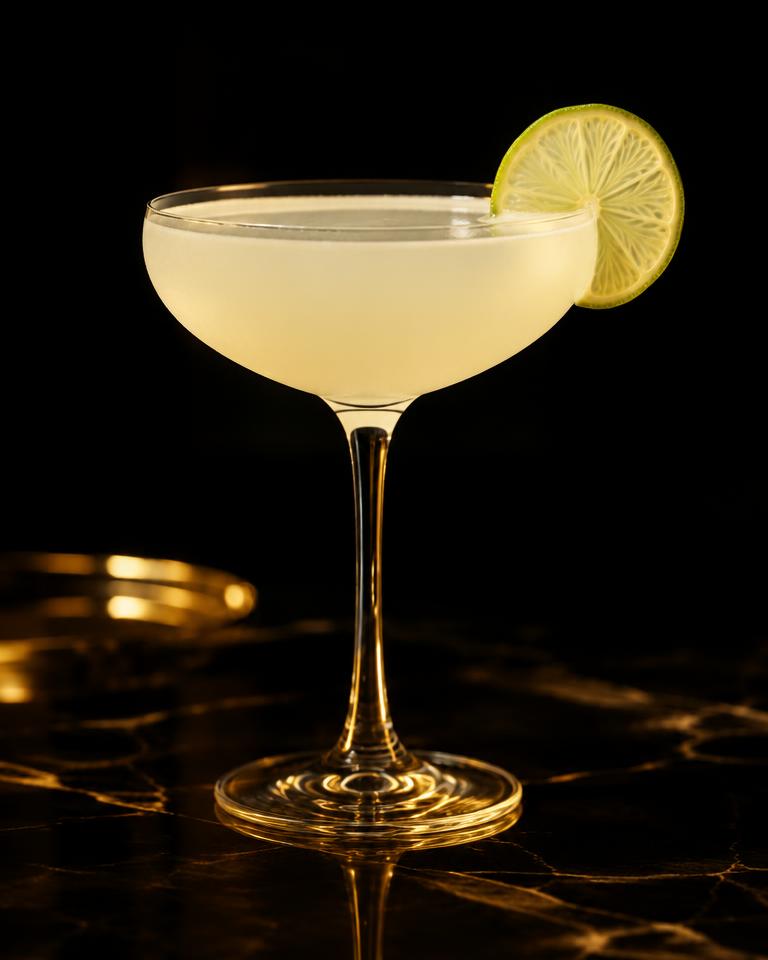
Daiquiri
White rum, lime and sugar — a bartender's benchmark of balance.
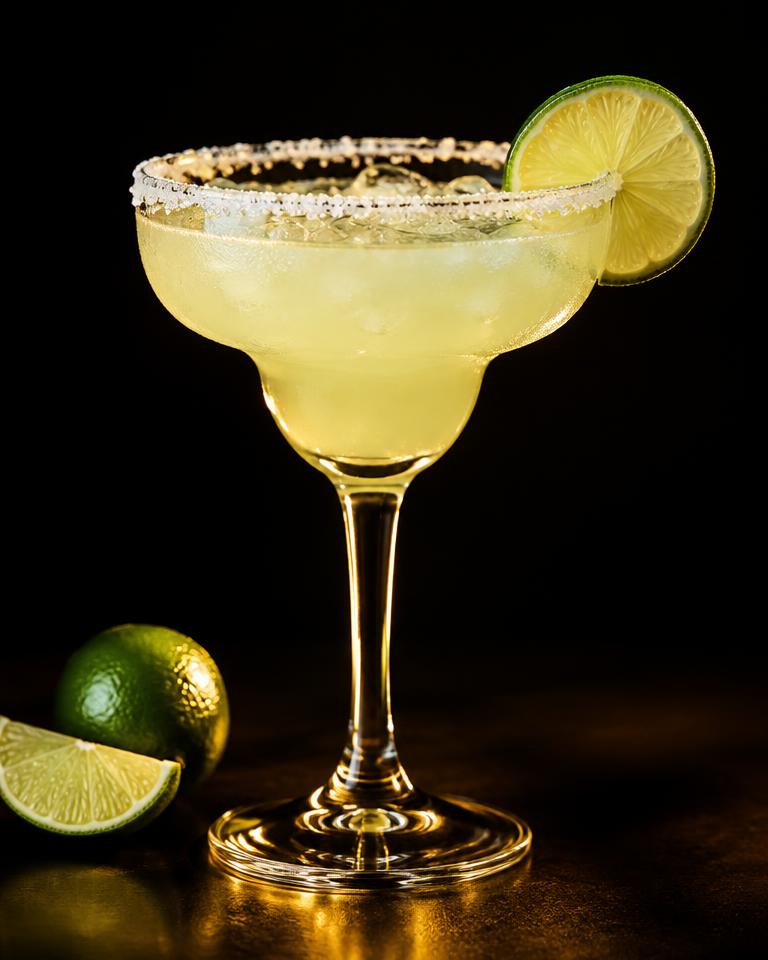 Tequila
Margarita
Tequila, orange liqueur and lime with a salted rim.