
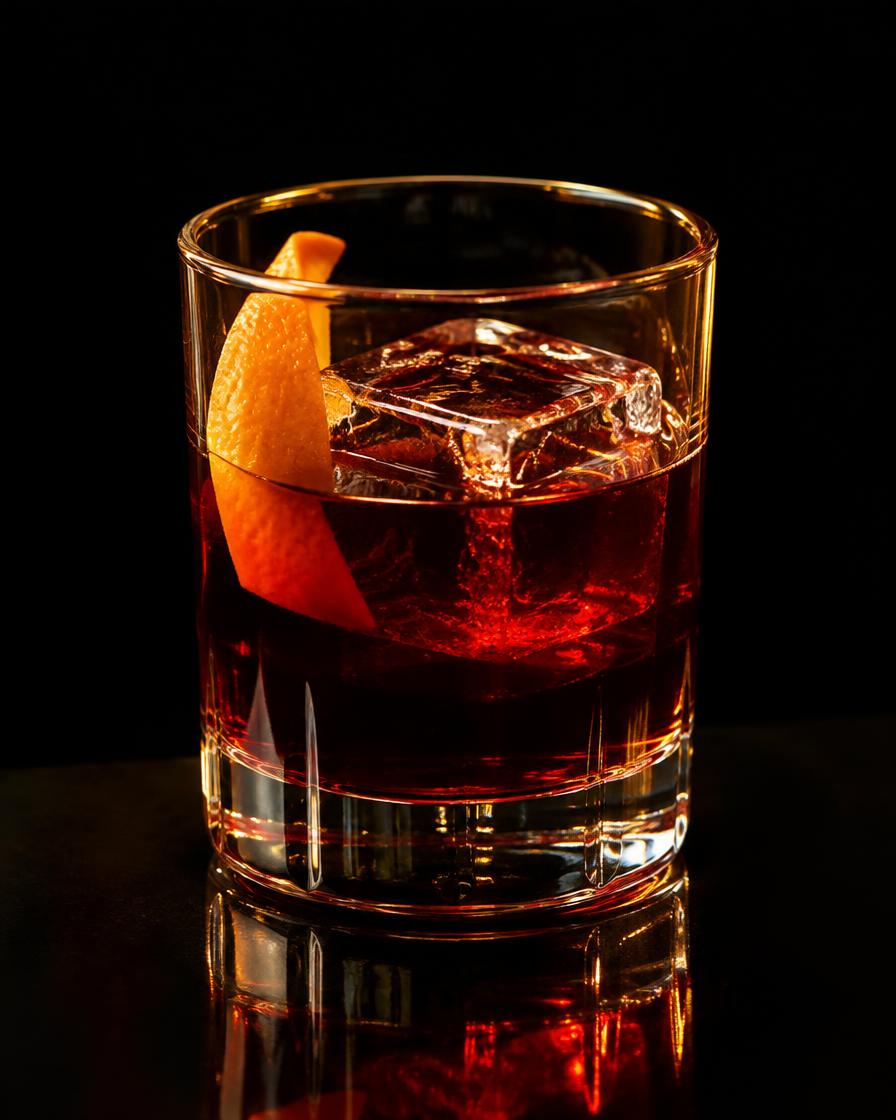
Spirit Guides
Gin
From juniper and botanicals to London Dry, Old Tom and genever: production, styles and choosing for cocktails.
01
What is gin?
Gin is a family of flavored spirits in which juniper defines the character. Its base alcohol may come from grain or another agricultural source. Coriander, citrus peel, angelica root and spices build aromatic layers around juniper. The number of botanicals on a label is not a quality measure; a balanced, identifiable profile matters more.
02
How botanical flavor is transferred
Botanicals may be steeped in base alcohol and redistilled, exposed to vapor in a basket, or added through methods allowed by the category. Steeping time, proportions and distillation cuts alter herbal, citrus and root-like character. Gin is not universally triple-distilled; verify production with the maker.
03
London Dry, Old Tom and genever
London Dry describes a production style rather than simply a place; flavor is acquired during distillation and later additions are tightly restricted. Old Tom is often rounder or sweetened, although products vary. Genever may carry malt-wine character and is not equivalent to dry gin. Contemporary gins emphasize other botanicals while retaining a juniper identity.
04
Tasting and cocktail matching
Assess juniper, citrus, floral, spice and root notes separately. A Martini needs compatibility with vermouth; a Negroni needs definition against bitter aperitivo and sweet vermouth; a Collins needs brightness with citrus. Avoid burying floral gin under a strongly flavored tonic. Higher-proof gin contributes more alcohol at the same volume, so reassess formula and dilution.
05
Service, storage and substitution
Store bottles upright, away from light and heat. For gin and tonic use clean ice, chilled tonic and restrained garnish. Vodka removes the botanical structure; genever or Old Tom changes body and sweetness. Equal volume may be a starting point for substitution, but the result should not be assumed identical.
06
Botanicals, vapor infusion and gin styles
Maceration gives botanicals direct liquid contact; vapor infusion passes vapor through a botanical basket. Producers can combine methods or blend separate distillates. Juniper may provide resinous structure, coriander seed spice and citrus impressions, peel brighter notes and roots earthier structure. Species, drying, proportion and contact method all matter, so these associations do not guarantee identical brand profiles.
London Dry is a regulated production style rather than a requirement to be made in London. Distilled and compound gin can use different flavoring routes; interpret labels within the sales jurisdiction. Old Tom often feels rounder or sweeter, while genever may retain malt character. Navy strength describes elevated bottling strength, not necessarily more botanicals. Compare proof and aromatic intensity when substituting gin in a Negroni or Martini.
07
Juniper and botanical chemistry
Gin's defining aroma is juniper; its pine, resin and light citrus character comes largely from pinene and other terpenes. By law juniper must be the predominant flavour. Other plants used alongside it are called botanicals, and each producer's recipe is closely guarded.
Coriander seed gives spicy, lemony brightness; angelica root ties flavours together with earthy tones; orris root adds floral depth and helps fix volatile aromas. Lemon and orange peel add freshness, cinnamon and cassia warmth, liquorice soft sweetness and body. Cubeb, grains of paradise and cardamom provide spicy accents. Modern gins frequently feature regional botanicals such as cucumber, rose, tea, seaweed or local herbs.
- Juniper: pine, resin, core character
- Coriander: lemony spice
- Angelica root: earthy binder
- Orris root: floral fixative
- Citrus peel: freshness
- Liquorice: soft sweetness and body
08
Production methods: maceration and vapour basket
Gin is made by flavouring neutral spirit of agricultural origin with botanicals. In the most common method, botanicals are placed in the still with spirit and water, steeped for hours or up to a day (maceration), then redistilled. This gives an intense, full aroma.
In vapour infusion, botanicals sit in a perforated basket above the boiling liquid; rising vapour carries their aromas as it passes through. Associated with Carter-Head stills, this approach yields more delicate, floral and bright results. Some producers distil each botanical separately and blend afterwards; others combine both methods. Products made by adding essences to neutral spirit without redistillation are called compound gin and usually offer a simpler profile.
09
Styles: from London Dry to Genever
London Dry is a production standard, not a place: botanicals are added only during distillation, and afterwards nothing may be added except water and a tiny amount of sugar. The result is dry, juniper-forward and precise. 'Distilled gin' is also distilled but allows flavouring after distillation.
Plymouth style is historically tied to a distillery in south-west England and is softer, earthier and less juniper-driven than London Dry. Old Tom recalls the lightly sweetened gins of the eighteenth and nineteenth centuries and is the authentic base for historic drinks such as the Tom Collins and Martinez. Navy Strength sits around 57 percent alcohol, named after the story of proving gunpowder would still ignite when soaked.
Genever is the historic spirit of the Netherlands and Belgium and is considered gin's ancestor. Its malt wine component gives a whisky-like, malty, rounded body. 'Oude' and 'jonge' refer to old and new production styles rather than age. Sloe gin is not a gin but a sweet gin liqueur flavoured with sloe berries.
10
History: from the Gin Craze to the tonic age
Juniper was long used medicinally, and genever production spread in the Netherlands in the sixteenth and seventeenth centuries. After William of Orange took the English throne in 1688, policies encouraging domestic distilling led to an explosion of cheap, poor-quality gin in London. This 'Gin Craze' caused serious social problems, and the 1751 Gin Act and later laws brought production under control.
In the nineteenth century, column stills made cleaner neutral spirit possible and the dry London style emerged. At the same time quinine tonic water, used by British colonial troops against malaria, met gin and the Gin & Tonic was born. Classics such as the Martini, Gimlet, Negroni and Tom Collins made gin a cornerstone of cocktail culture. From the 2000s, small producers sparked a renaissance highlighting local botanicals.
11
Serving and choosing gin for cocktails
For a dry Martini, a juniper-forward London Dry gives clarity; Plymouth suits a softer Martini. In a Negroni, a full-bodied, spicy gin stands up to Campari and vermouth. Citrus-led gins shine in sours such as the Gimlet and Southside. Old Tom is right for a historic Martinez or Tom Collins, while Genever gives historical depth to a Holland House or Improved Gin Cocktail.
A Gin & Tonic needs plenty of large ice, cold tonic and a simple garnish that echoes the botanicals: lemon peel with a juniper-forward gin, cucumber or fresh herbs with a floral one. Tonic bitterness and sweetness vary by brand, so tasting it alone first makes balancing easier.
Related cocktails
Related cocktails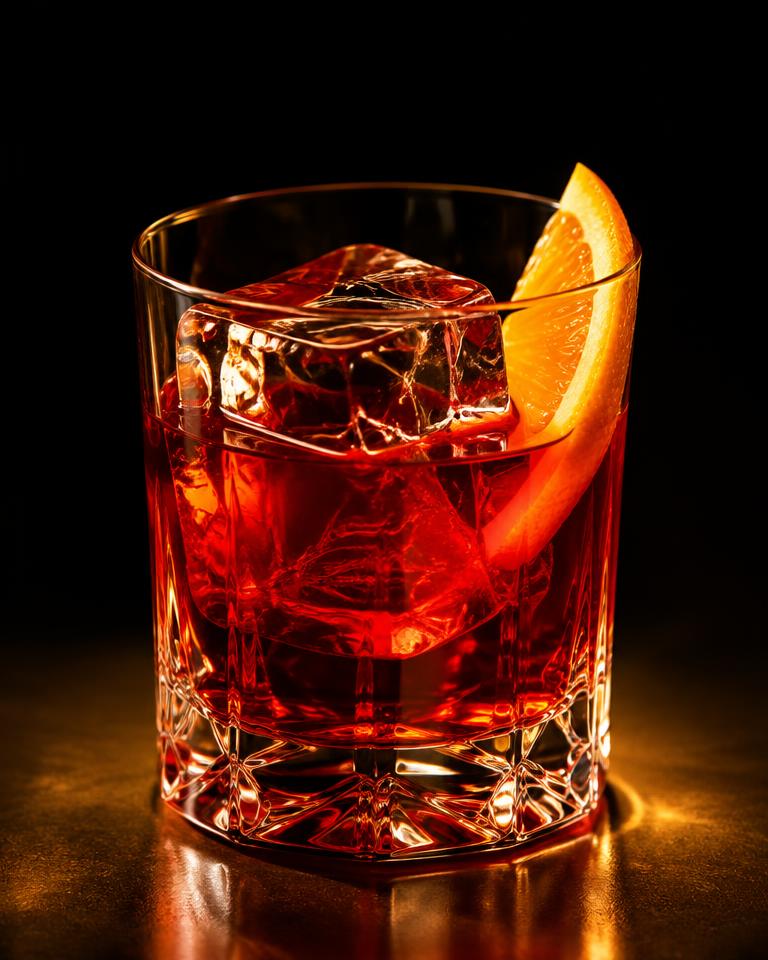 Gin
Negroni
Equal parts gin, Campari and sweet vermouth — bittersweet and assertive.
 Gin
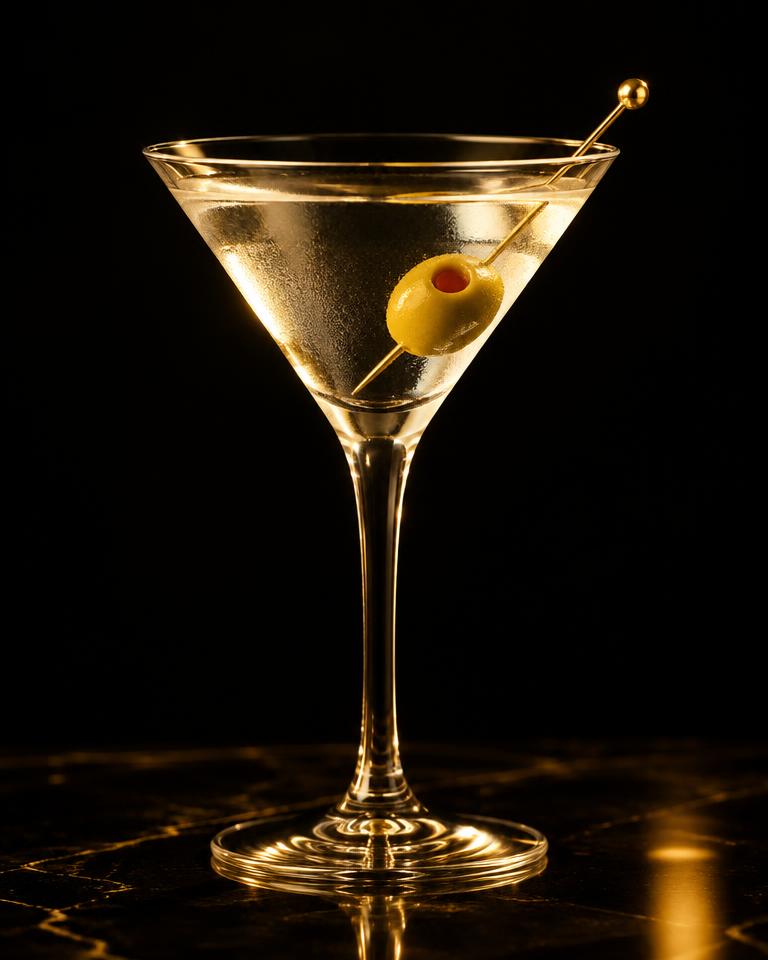
Dry Martini
Gin and a whisper of dry vermouth — icy, aromatic, uncompromising.
 Gin
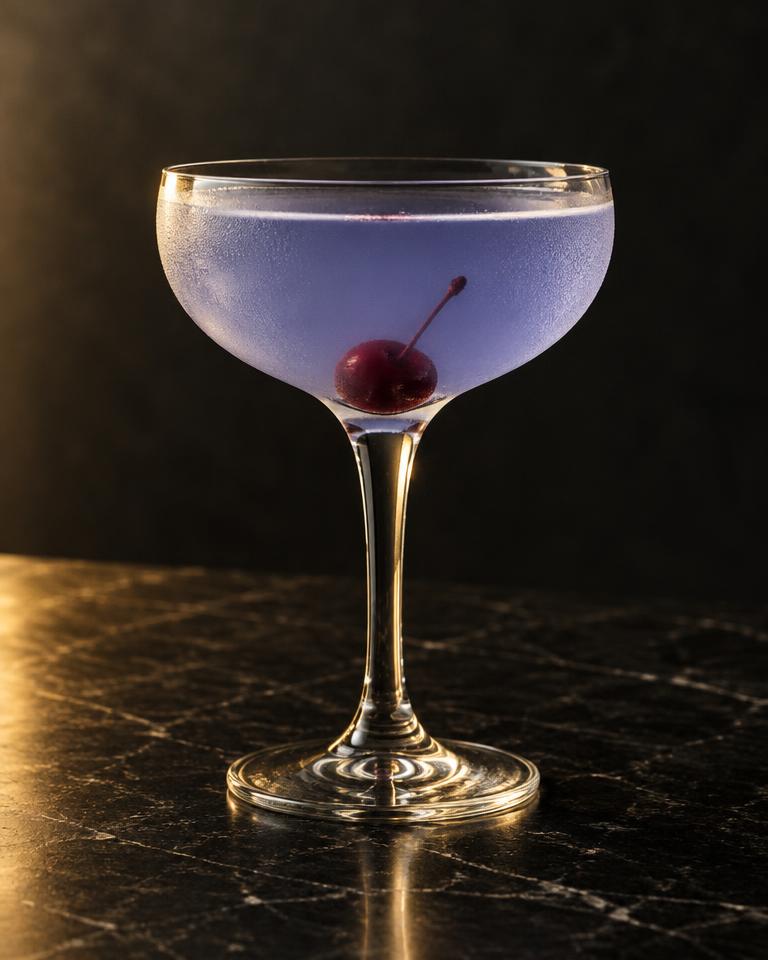
Aviation
Gin, maraschino, lemon and violet in a pale floral sour.
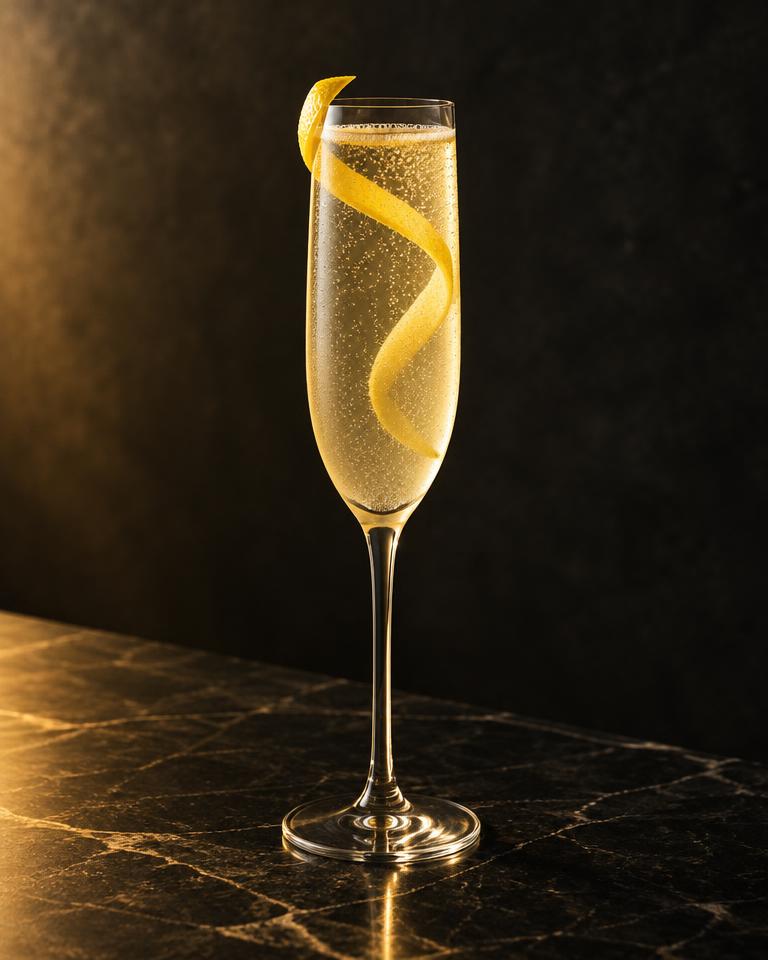 Gin
French 75
Gin, lemon and sugar lengthened with dry sparkling wine.