
Mixology & Technique
Garnish & Presentation
Choosing twists, peel oils, herbs, dried fruit and rims for aroma and purpose.
01
Functional garnish
Garnish adds aroma, taste or information, not only decoration. Citrus peel supplies oils, mint herbal aroma and olives a saline direction. Unrelated clutter may make drinking awkward. Prioritize clean edible materials and comfortable service, checking the safe position of picks and skewers.
02
Twists and expressing oils
Cut a thin peel with little white pith from washed fruit. Bend it gently above the drink to release oils; rub the rim and retain or discard as specified. Thick pith can add bitterness. Cut away from yourself with sharp tools. Flaming oils is unnecessary and not recommended for home service.
03
Fresh herbs and dehydration
Wash and dry herbs and store cold and protected. Gentle handling can release mint aroma; shredding leaves creates bitterness and loose fragments. Dried citrus gives visual appeal and some aroma but is not equivalent to fresh peel. Follow a food dehydrator's instructions, store fully dried pieces in labeled moisture-proof containers and discard moldy products.
04
Salt and sugar rims
Moisten the outer rim sparingly and touch it to a thin layer without coating the inside. Remove excess. A half-rim lets guests choose. Disclose allergens and heat in spice mixes; the rim should not make the drink excessively salty or sweet. Do not mix used rim material back into clean stock.
05
Twists, half-rims and aromatic finishing
Cut a thin piece from the colored outer layer of washed citrus. Excess pith can add bitterness; expressing oils above the drink changes the first aroma. Rubbing the rim also changes the first sip. Orange and lemon are not merely color choices: they create different impressions in a Negroni or Martini.
Moisten and lightly coat the outside rim; salt carried into the interior alters the entire drink. A half-rim offers both salted and unsalted sips. Keep mint fresh, clean and sized for comfortable drinking. Flaming peel exposes expressed oils to flame and is not a compulsory extension of ordinary expressing. Without training and venue permission, use the flameless method. Garnishes must be edible, clean and compatible with declared allergens.
Related cocktails
Related cocktails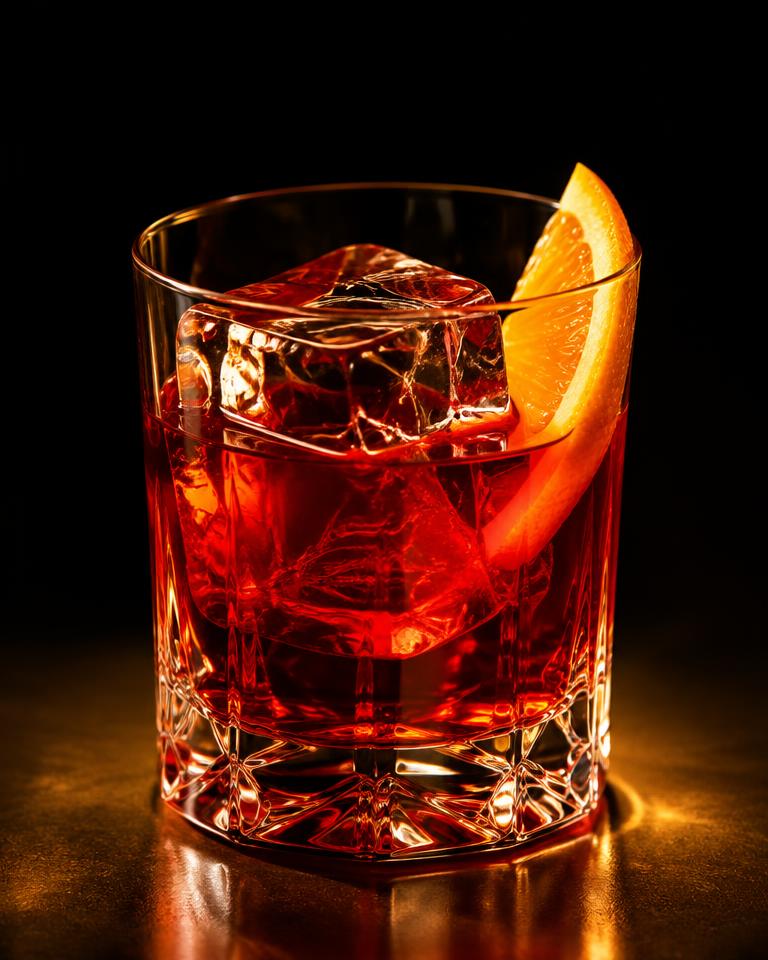 Gin
Negroni
Equal parts gin, Campari and sweet vermouth — bittersweet and assertive.
 Whiskey
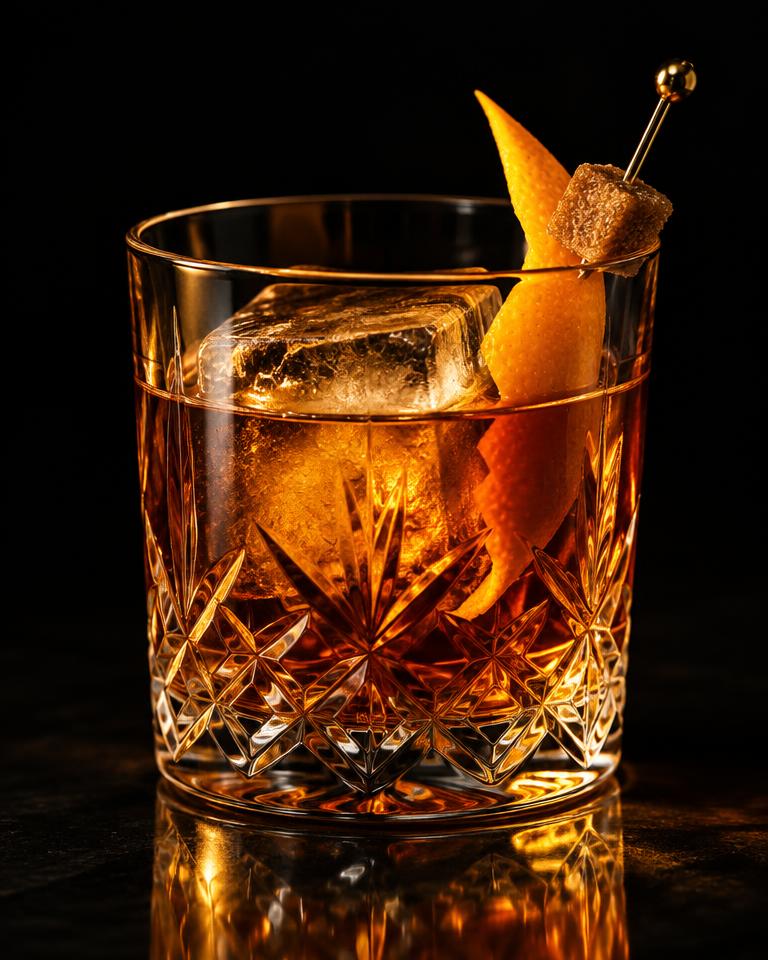
Old Fashioned
Whiskey, sugar, bitters and water — the original definition of a cocktail.
 Rum
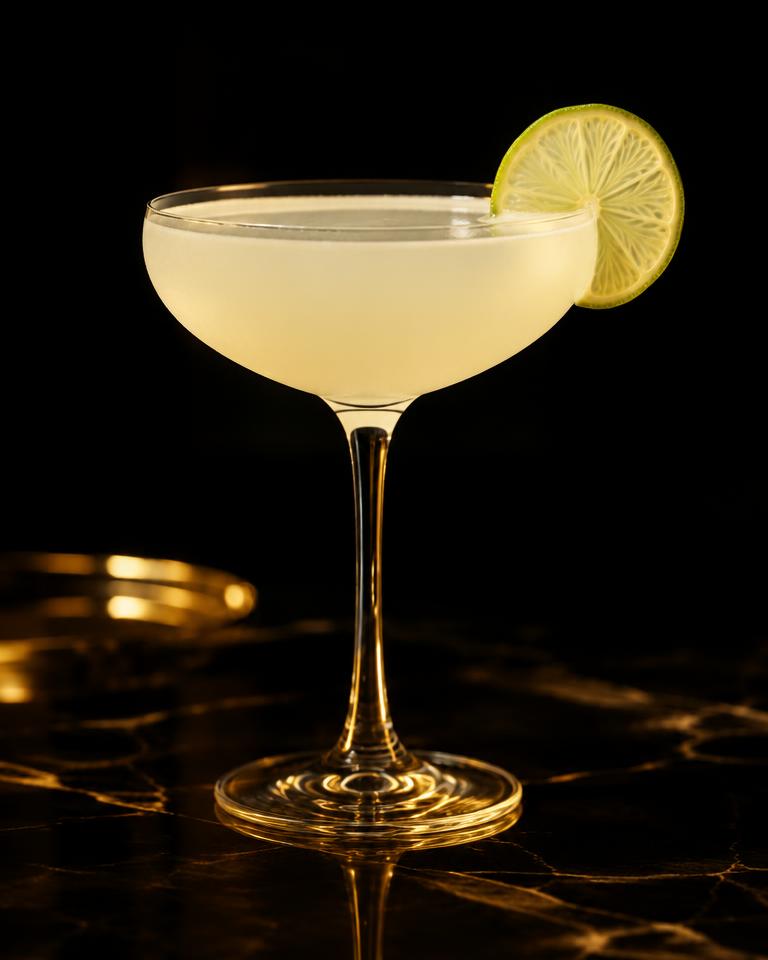
Daiquiri
White rum, lime and sugar — a bartender's benchmark of balance.
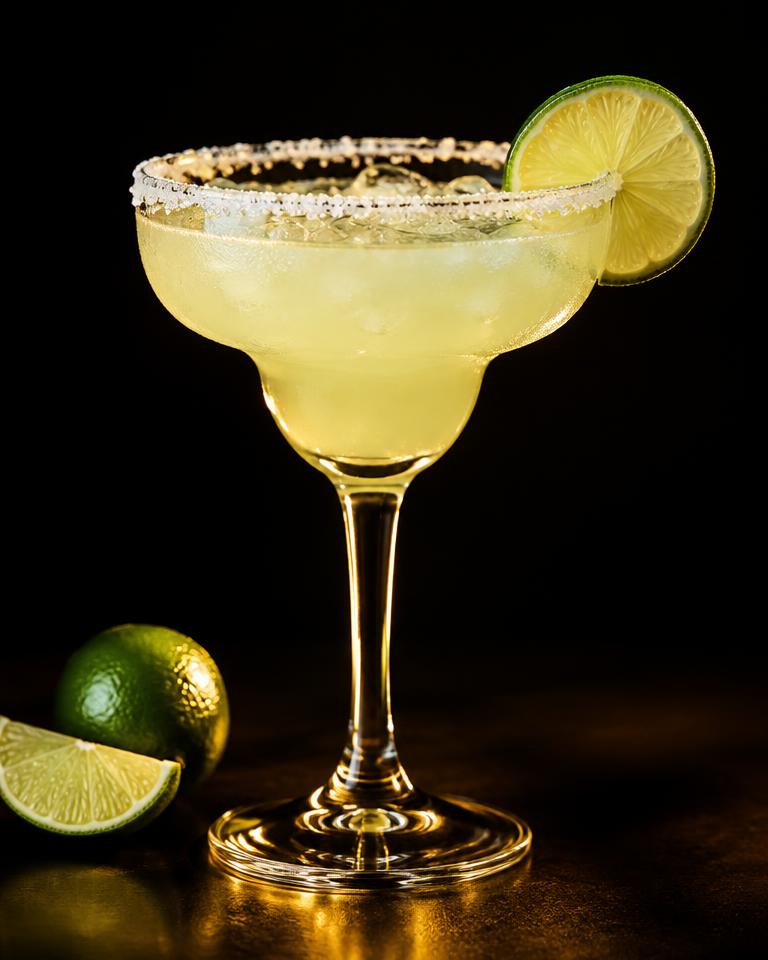 Tequila
Margarita
Tequila, orange liqueur and lime with a salted rim.