
Foundations of Spirits
Fermentation
How yeast transforms sugar into alcohol, carbon dioxide and the first layer of flavor.
01
The essential conversion
Fermentation begins when yeast consumes fermentable sugars. Its principal outputs are ethanol, carbon dioxide and heat, alongside many trace compounds that shape aroma.
02
Raw material matters
Grapes arrive with accessible sugars; grains and starchy plants first need their starch converted. The raw material, yeast strain and temperature all leave a sensory signature.
- Wine and fruit bases
- Beer and grain washes
- Agave and cane ferments
03
For the cocktail maker
Understanding fermentation explains why wine, vermouth, beer and distilled spirits behave differently in a recipe. Freshness, acidity and storage are part of balance, not afterthoughts.
04
Sugar, starch and yeast selection
Glucose and fructose in fruit juice can ferment directly. Grain starch must first be broken down through malting or enzymatic conversion. A rum molasses wash, a whisky grain mash and a brandy wine base therefore follow different production paths. Yeast selection affects ester formation and aroma as well as yield.
05
Temperature, hygiene and production control
There is no universal yeast operating temperature: strain and intended beverage matter. Uncontrolled heat, contamination and oxygen exposure can create unwanted aromas or acidity. Producers monitor density, temperature and fermentation time together. This section explains production, rather than providing instructions for uncontrolled home fermentation or distillation.
06
From label to glass
Fermented products can be served without distillation, as wine, beer and sake demonstrate. Vermouth differs through aromatizing and fortifying a wine base. Opened fermented products change through oxidation and loss of freshness; storage, producer instructions and sensory condition must be considered before cocktail use.
07
Reading the wash: density, time and aroma
Starch conversion and yeast fermentation are distinct stages in a grain wash. Wine uses fruit sugars, whereas sake can combine koji-driven sugar conversion and yeast fermentation in the same vessel. Producers follow starting and finishing density, but an uncorrected refractometer reading in alcoholic liquid cannot simply be read as remaining sugar. The end of bubbling alone does not prove that production is safely complete.
Fast fermentation is not invariably cleaner and long fermentation is not invariably better. Nutrition, temperature and microbial communities affect esters, higher alcohols and organic acids. Intense fruity rum or grain-like spirit aromas may relate to this stage, although tasting alone cannot identify an exact process. These differences help explain why equal volumes of wine, beer and sake contribute different acidity, carbonation and aromatic intensity to cocktails.
08
Yeasts and the chemistry of fermentation
Fermentation is the process in which yeasts consume sugar without oxygen, producing ethanol, carbon dioxide and heat. The most important species is Saccharomyces cerevisiae, used in most beer, wine and spirits. Simply put, one glucose molecule becomes two of ethanol and two of carbon dioxide, but in reality hundreds of by-products form: esters give fruitiness, higher (fusel) alcohols heavy, oily notes and aldehydes green-apple tones.
Yeast species and strain determine aroma compounds. Some producers guard proprietary strains for decades; others allow wild yeasts and bacteria from the air and equipment. In traditional products such as Belgian lambic beer, Jamaican rum and mezcal, this mixed microbial community is an important part of the character.
09
Sugar sources: fruit, grain and plants
Fermentation needs simple sugars that yeast can consume. Grapes, apples and other fruits contain directly fermentable sugars, making wine and cider relatively straightforward. Grains store starch, which must first be converted to sugar by enzymes developed during malting or added separately. In East Asia, koji mould (Aspergillus oryzae) performs this conversion in sake and shōchū production.
Agave contains inulin that must be broken down by heat; sugarcane and molasses can be fermented directly. Honey is the source of mead. Sugar content is measured by Brix or specific gravity and determines potential alcohol. Most yeasts stop working above 14–16 percent alcohol, which is why stronger drinks require distillation.
10
Temperature, time and control
Temperature directly affects speed and aroma. Cool fermentation (for instance 10–18 °C for white wine and lager) preserves delicate, clean, fruity aromas. Warmer fermentation is faster and produces more esters and fusel alcohols; uncontrolled, it can create harsh, solvent-like smells. Because fermentation produces heat, large vessels use cooling systems.
Producers monitor progress with density readings; the difference between starting and finishing gravity allows alcohol to be calculated. Hygiene is critical, as unwanted bacteria can produce acetic acid or off-odours. A wash for distillation usually finishes within days, while some wines and beers undergo weeks of secondary fermentation and conditioning.
11
Fermentation and the bar
Fermentation is not only a tool of spirits production but of the modern bar. Homemade ginger beer, kombucha, water kefir, tepache and fermented fruit syrups bring natural carbonation, acidity and depth to cocktails. Such preparations require clean equipment, measured timing and refrigeration; continuing fermentation in sealed bottles builds pressure and can cause them to burst.
When using fermented products, remember that alcohol content can change and that even drinks served as alcohol-free may develop low levels of alcohol. Guests should be told clearly.
Related cocktails
Related cocktails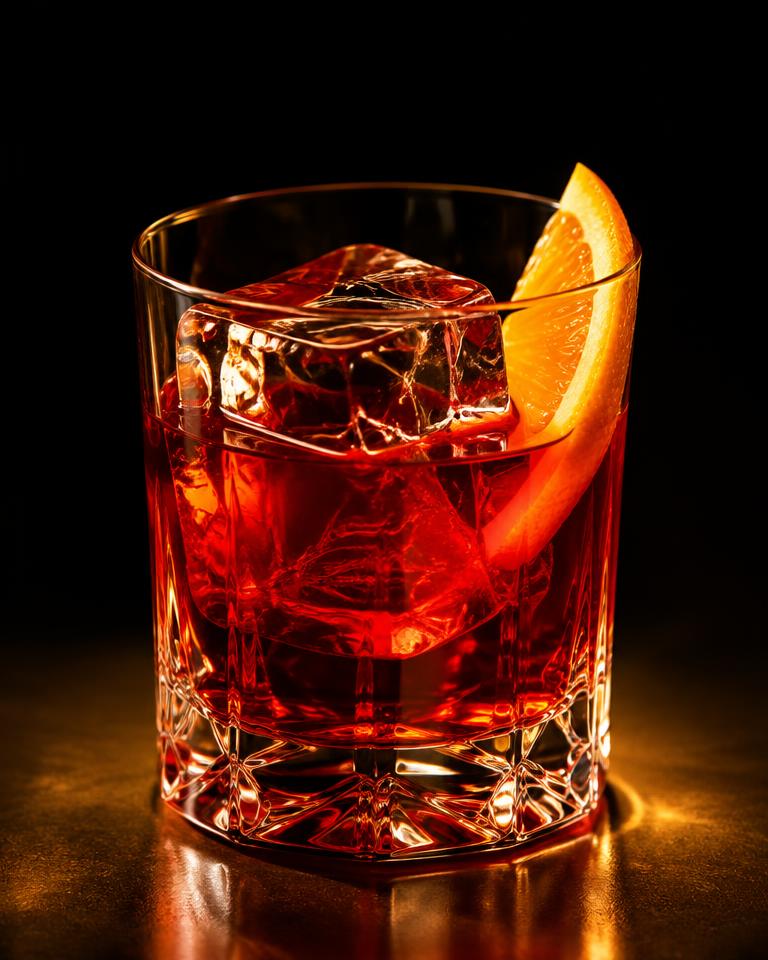 Gin
Negroni
Equal parts gin, Campari and sweet vermouth — bittersweet and assertive.
 Whiskey
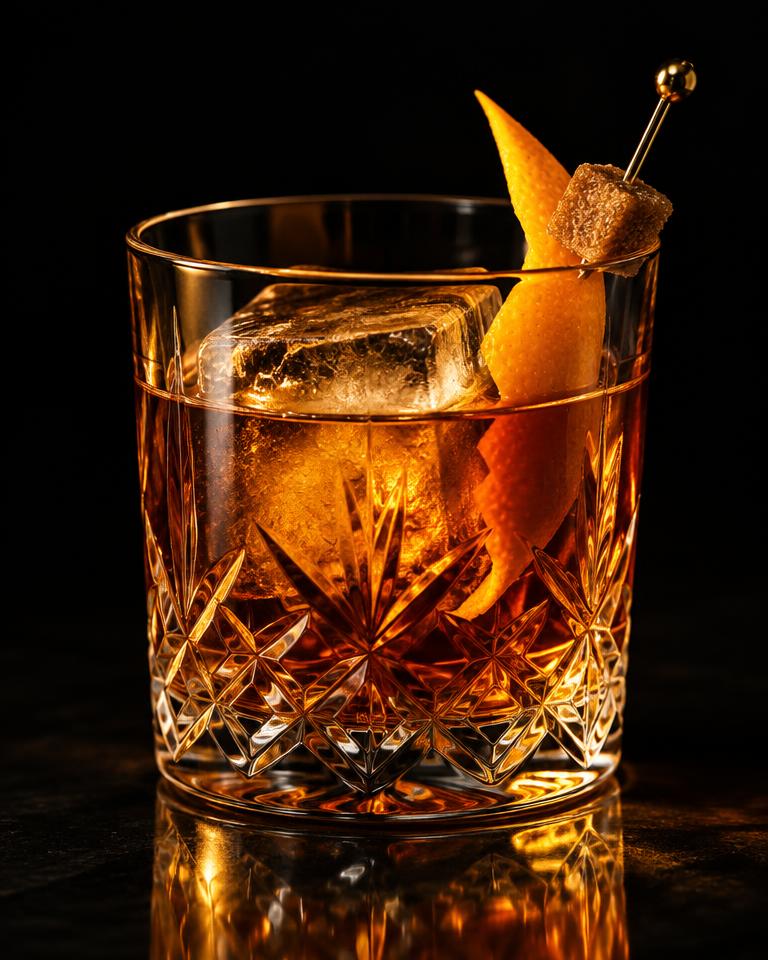
Old Fashioned
Whiskey, sugar, bitters and water — the original definition of a cocktail.
 Rum
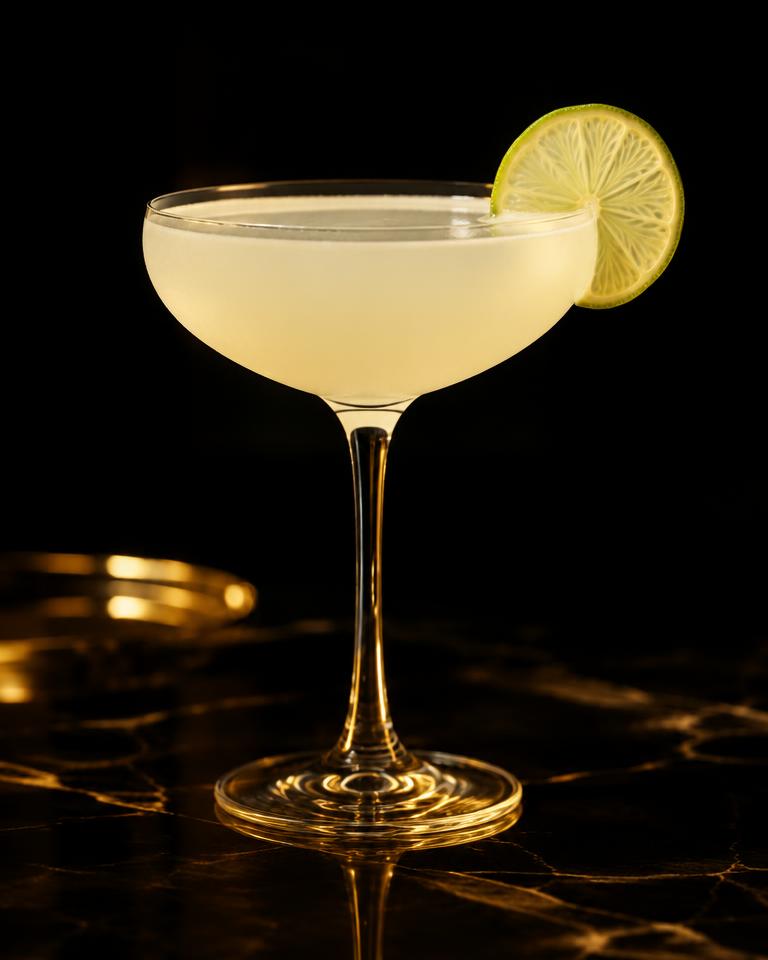
Daiquiri
White rum, lime and sugar — a bartender's benchmark of balance.
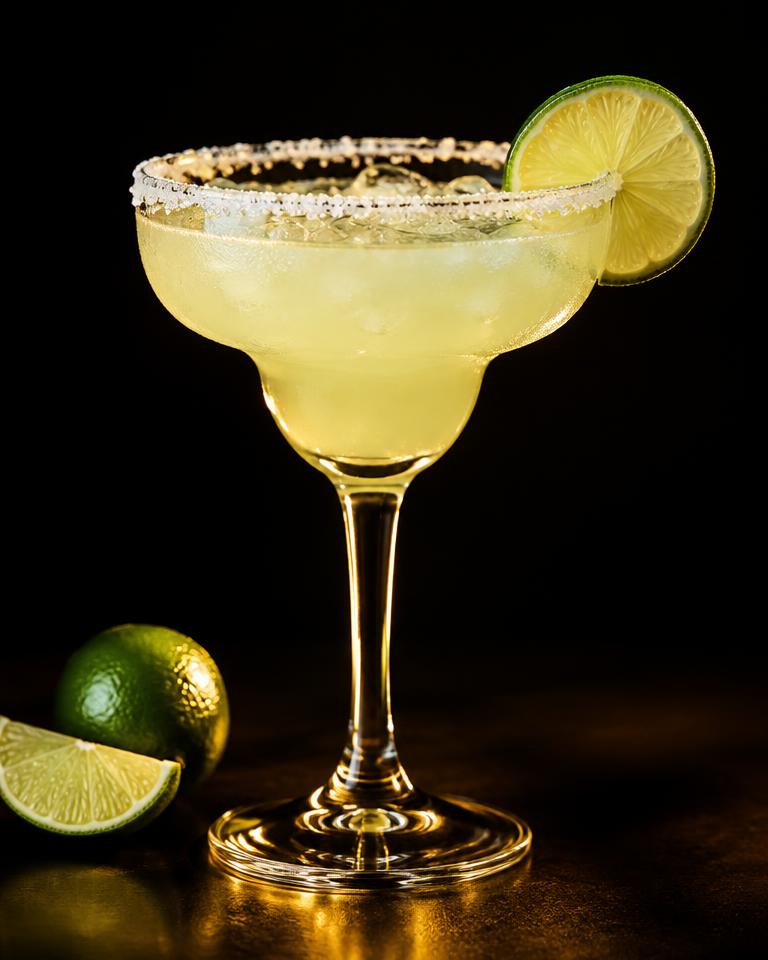 Tequila
Margarita
Tequila, orange liqueur and lime with a salted rim.