Foundations of Spirits
Ethanol & Its Effects
Alcohol strength, absorption, total intake and safety without health-benefit claims.
01
Ethanol and ABV
The alcohol in beverages is ethanol. ABV describes alcohol by volume: 50 ml at 40% ABV contains roughly 20 ml of ethanol. Adding water reduces concentration, not total ethanol. Methanol, industrial solvents and unidentified alcohol are not serving ingredients.
02
Absorption and individual differences
Effects vary with quantity, pace, food, body characteristics, medications and health. The same number of glasses does not affect everyone equally, and glasses contain different alcohol amounts. Strong flavors, sugar and cold service do not remove alcohol's effects.
03
Common misconceptions
Coffee, cold showers, water and food do not speed sobriety. Expensive, highly purified or 100% agave products are not harmless or hangover-proof. Alcohol can impair sleep and judgment, and medication interactions may be serious. Seek a health professional for individual advice.
04
Safety in service
Follow legal age and house policies, offer alcohol-free options and do not accelerate consumption. Avoid alcohol during pregnancy, driving and use of incompatible medications. Unconsciousness or irregular breathing requires emergency help. This article is not medical advice or a guarantee of a safe drinking amount.
05
Serving size, concentration and false sobering remedies
ABV and alcohol quantity per serving are different. A 50 ml pour at 40% ABV contains 20 ml ethanol before dilution. Water or soda lowers concentration without removing that ethanol. A small strong cocktail can contain more alcohol than a larger weak drink. Standard-drink definitions vary by country and cannot be presented as universal safe allowances.
Food may change absorption speed but does not neutralize alcohol. Coffee, cold showers, energy drinks and fresh air do not rapidly clear blood alcohol. Feeling alert does not establish safe driving ability. Medication, pregnancy, health conditions and personal history may create additional risks; this guide is not individualized medical advice. Unconsciousness or slow, irregular breathing requires local emergency assistance. Stop serving and do not leave the person alone.
Related cocktails
Related cocktails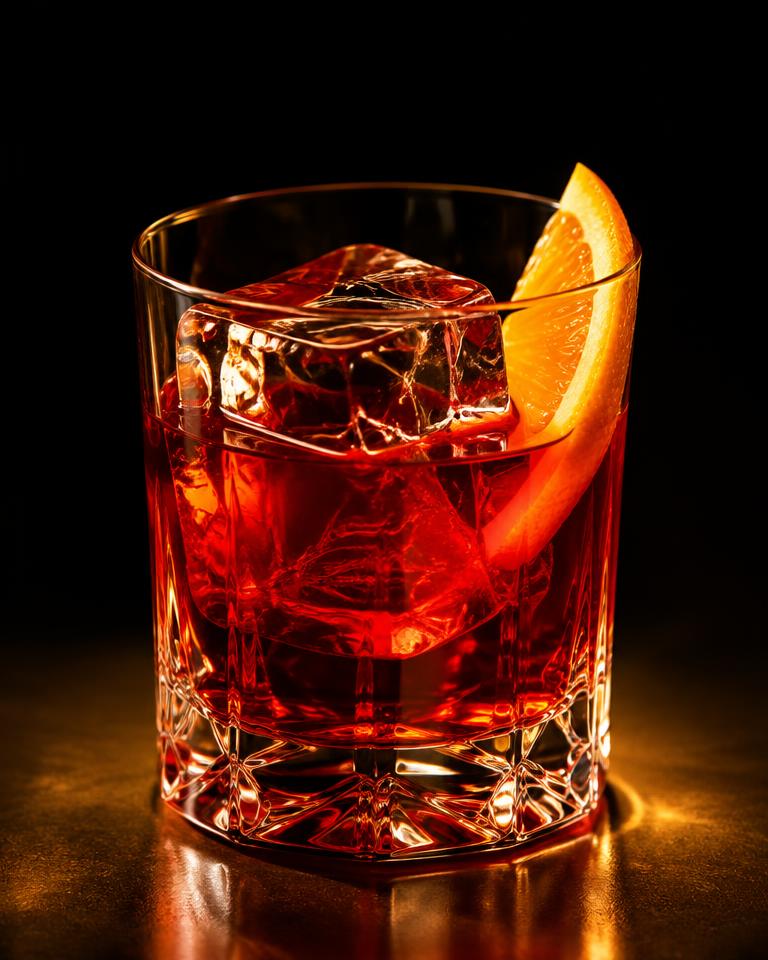 Gin
Negroni
Equal parts gin, Campari and sweet vermouth — bittersweet and assertive.
 Whiskey
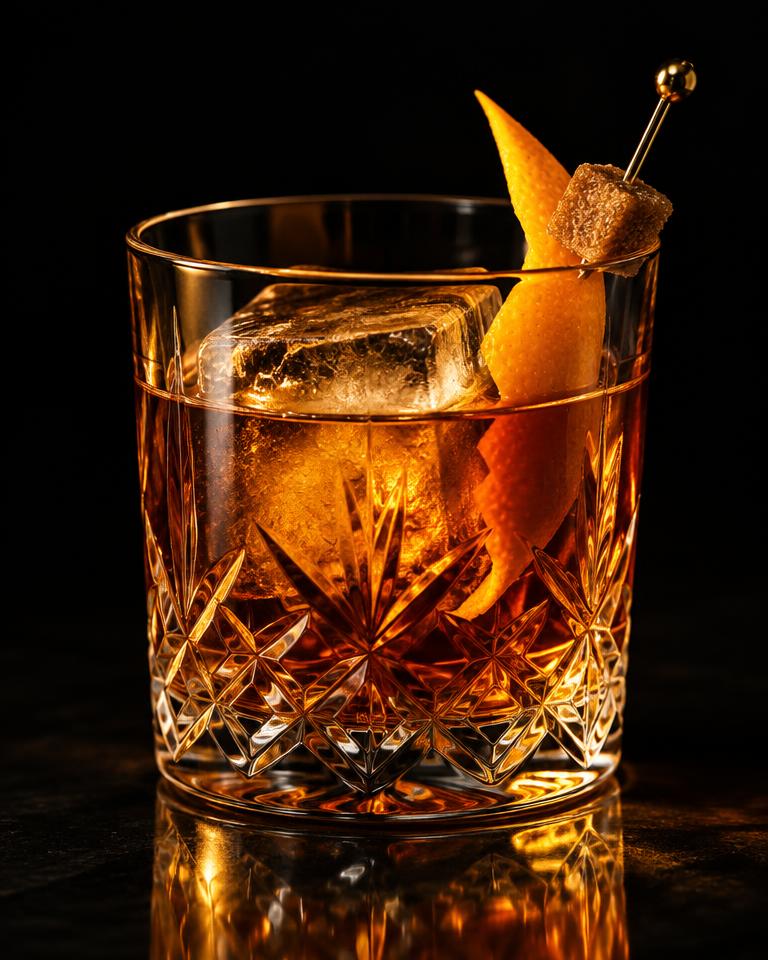
Old Fashioned
Whiskey, sugar, bitters and water — the original definition of a cocktail.
 Rum
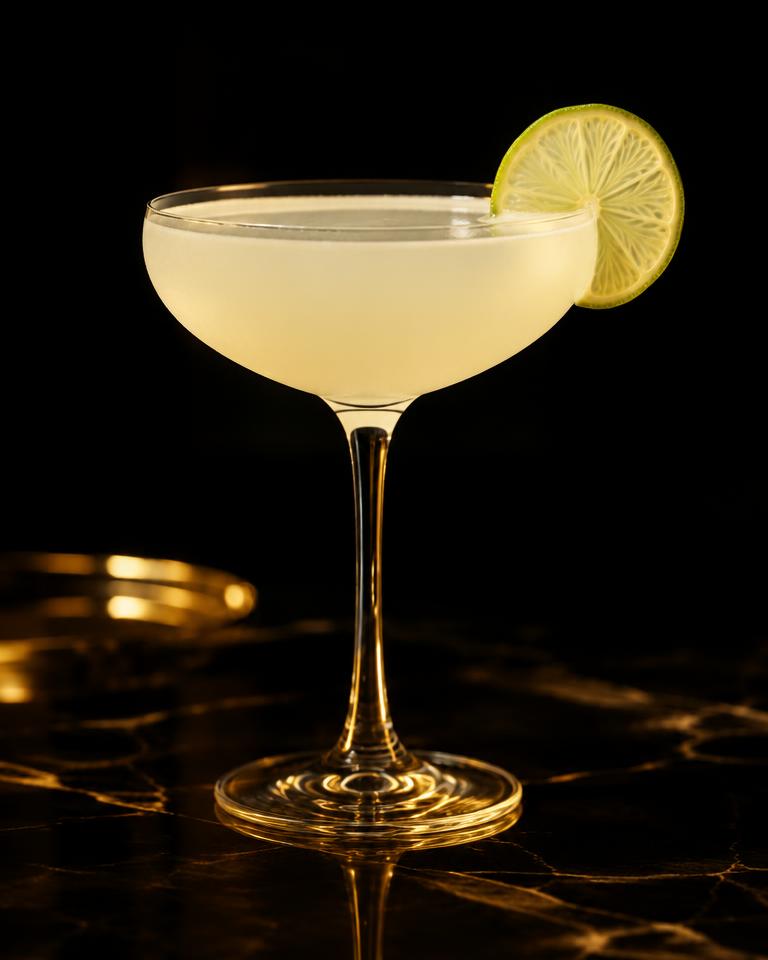
Daiquiri
White rum, lime and sugar — a bartender's benchmark of balance.
 Tequila
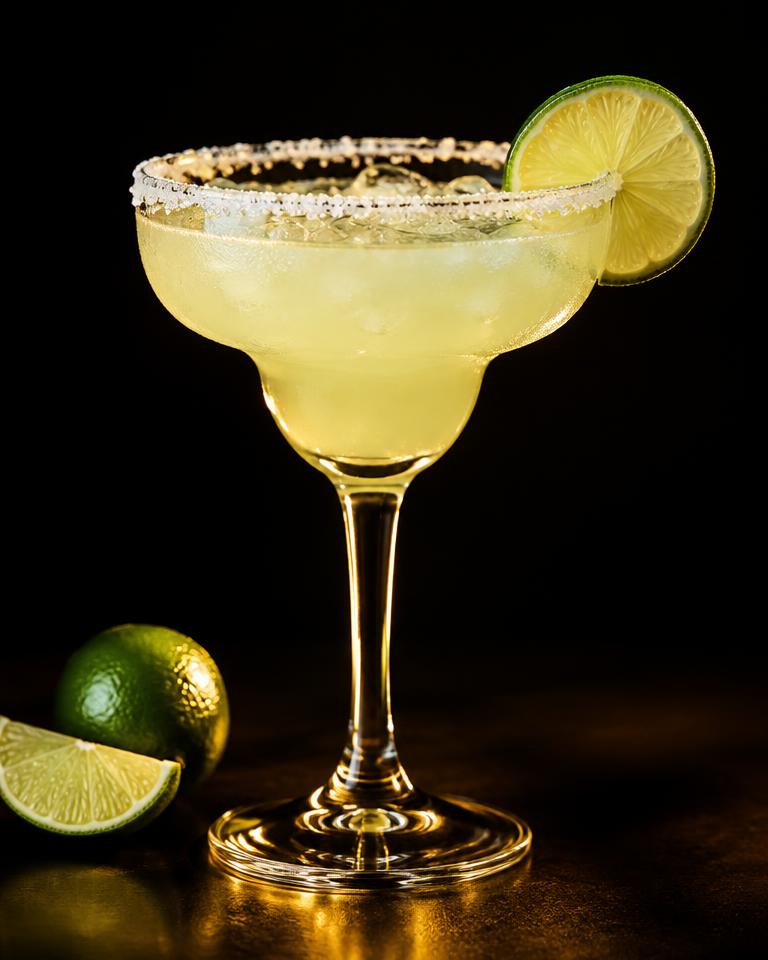
Margarita
Tequila, orange liqueur and lime with a salted rim.