
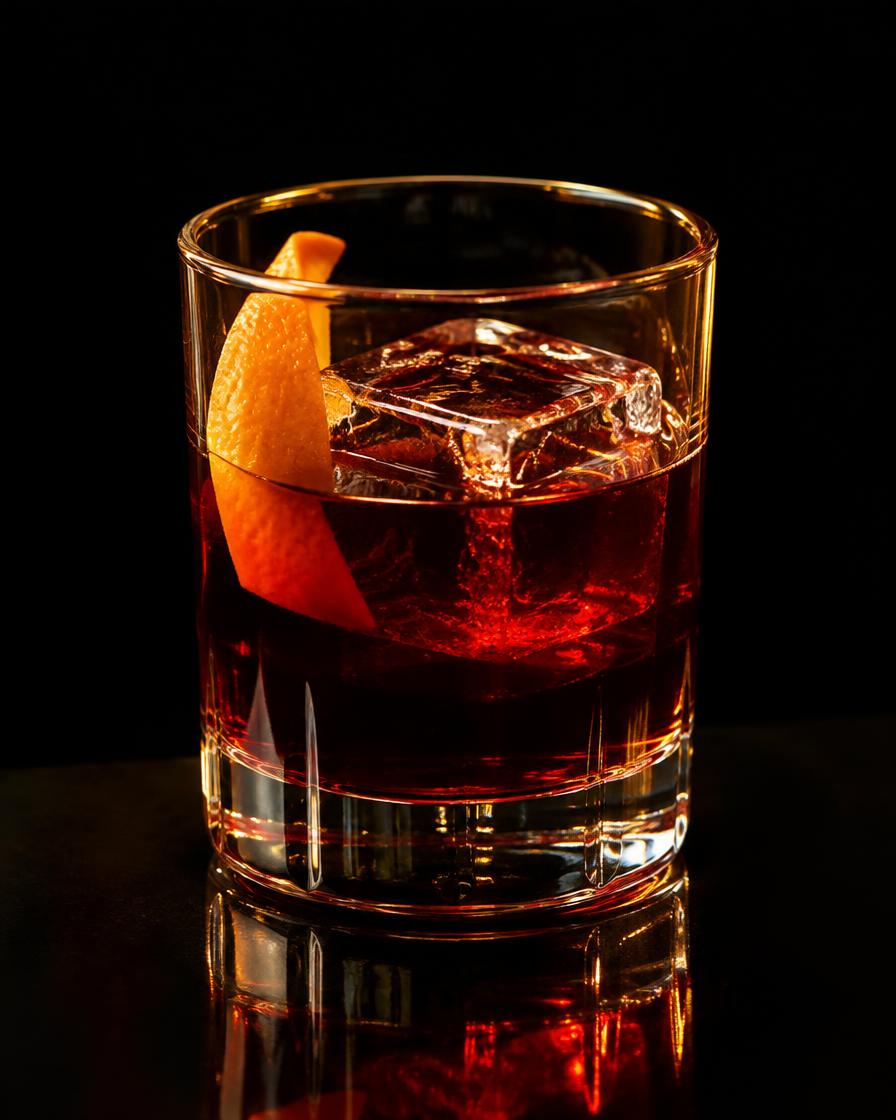
Foundations of Spirits
Distillation
The controlled separation that concentrates alcohol and selects aroma.
01
What the still does
Distillation does not create alcohol; fermentation does. A still heats a fermented liquid, separates volatile compounds through vapor and condenses them into a more concentrated liquid.
02
Pot and column
Pot stills work in batches and often preserve a weightier raw-material character. Column stills can run continuously and allow precise control over purity and style. Neither is automatically better.
03
Heads, hearts and tails
The distiller divides the run into fractions. The desired heart is selected by smell, taste, temperature and experience; responsible production requires trained control and licensed facilities.
04
Single and double distillation
In batch production, an initial run can produce a low-strength intermediate and a subsequent run a more concentrated distillate. Double distillation is not a quality guarantee: still geometry, copper contact, reflux and fraction selection shape the result. Triple distillation is also a production choice, not a compulsory definition for every Irish whiskey.
05
Reflux and rectification
Reflux occurs when some vapor condenses and returns into the still. Column plates or packing create repeated vapor–liquid contact and improve separation. Higher purity may be desired, but neutrality and pronounced raw-material character are different stylistic goals. Pot and column systems should therefore be compared by design and intended product, not ranked as good or bad.
06
Safe and lawful production
A distillate's safety cannot be established by smell or a simple temperature reading. Fraction management, analysis, suitable equipment and regulatory compliance are required. Ethanol is flammable; unidentified alcohol, industrial solvents and uncontrolled home distillates are not cocktail ingredients. Serve traceable products from licensed producers.
07
Copper contact and still geometry
Still necks, vapor paths and condensers influence the compounds reaching the distillate. Greater reflux or a taller neck may support a lighter profile, but no single shape predicts the entire drink. Copper helps reduce certain sulfur compounds, making maintenance and cleaning part of process control rather than mere tradition.
A batch run changes composition over time; a continuous column uses a different control logic through repeated contact stages. Heads, hearts and tails are not pure substances separated at fixed temperatures: overlapping mixtures move through the system. Smell, a thermometer or a home experiment cannot substitute for analytical safety control. When reading labels, consider intended style, bottling strength and maturation alongside the number of distillations. Distilled status alone establishes neither superior quality nor a health advantage.
08
The basic principle of distillation
Distillation concentrates the alcohol and aroma compounds in a fermented liquid using heat. Ethanol boils at about 78 °C and water at 100 °C. When a fermented liquid is heated, the vapour contains more alcohol than the liquid itself; when that vapour is cooled back into liquid, the distillate is stronger than the starting material. Distillation does not create alcohol; it separates and concentrates what fermentation produced.
Compounds do not separate one by one at exact temperatures; they move into the vapour as overlapping mixtures in changing proportions. The distiller's task is to judge which portion is safe and flavourful and to exclude unwanted parts. Distillation is therefore both physics and chemistry and a craft requiring sensory judgement.
09
A history of the alembic
The earliest traces of distillation reach back to antiquity, in the production of perfumes, medicines and essences. Apparatus used by alchemists in Alexandria was refined by scholars in the medieval Islamic world. The word alembic comes from the Arabic al-anbiq, and alcohol from al-kuhl. At that time distillation served mainly medicine and chemistry.
In the twelfth and thirteenth centuries, European monasteries and medical schools began producing distilled alcohol as medicine under the name aqua vitae, the water of life. The Irish and Scottish uisce beatha, Scandinavian akvavit and French eau-de-vie all echo this origin. In the nineteenth century the industrial revolution brought continuous column stills, taking distillation from small batches to large-scale production.
10
Single pot stills
A pot still consists of a pot, a dome and neck above it, a lyne arm carrying vapour to the condenser, and a condenser. It works in batches: the pot is filled, heated, and when the run ends it is emptied and cleaned. Each batch flows with changing composition from start to finish, giving the distiller freedom in choosing cuts.
Pot stills are usually made of copper, which reacts with sulphur compounds and reduces unwanted aromas such as rotten egg or cooked cabbage. Shape also matters: short, wide necks yield heavy, oily, intense spirits, while tall, slender necks increase reflux — vapour condensing and falling back — creating a lighter, cleaner profile. Cognac, malt whisky, many rums and mezcal are produced in pot stills.
11
Double distillation and cuts
Many traditional spirits are distilled in two stages. The first produces a low-strength intermediate from the fermented liquid, called low wines in Scotland and brouillis in Cognac. In the second, this intermediate is reheated and the flow is divided into three parts.
Heads (foreshots) come first and contain volatile, harsh compounds such as acetone, ethyl acetate and methanol; they are not fit to drink. Hearts are the main, most balanced part and go into cask or bottle. Tails (feints) arrive towards the end, containing heavy oils and fusel alcohols that can smell flat or like wet cardboard. Heads and tails are usually added to the next batch for redistillation. How narrow or wide the cuts are determines the balance between purity and character. Triple distillation, common in Ireland, adds a third stage for a stronger, lighter spirit.
- Heads: volatile, harsh, discarded
- Hearts: balanced, the core spirit
- Tails: heavy oils, redistilled
12
Column and continuous stills
The column still spread after Robert Stein's work in the 1820s and the design patented by Irishman Aeneas Coffey in 1830, which is why it is also called a Coffey or patent still. It consists of a tall column with perforated plates and a second column, the rectifier. The fermented liquid flows down from the top while steam enters from below; at each plate the steam contacts the liquid, collects alcohol and rises.
Column stills run continuously, and because each plate acts like a small distillation they can produce very strong, clean spirit. Neutral spirit for vodka and gin can exceed 95 percent. Yet columns are not only for neutral spirits: grain whisky, bourbon, many rums and Armagnac are produced in columns run at lower strengths, preserving distinct character. Efficiency and consistency are the column's greatest advantages.
13
Hybrid systems and safety
Modern small producers often use hybrid stills: a pot at the base topped with a short column of adjustable plates. By engaging or bypassing plates, the same equipment can make both a full-bodied whisky and a clean vodka or gin base. A vapour basket can be added for gin.
Distillation produces highly flammable vapour, and heads may contain methanol. Unlicensed distilling is illegal in many countries, and home distilling carries serious fire and poisoning risks. Commercial producers verify cuts with analytical equipment. Tasting and smell matter, but they do not replace laboratory control.
Related cocktails
Related cocktails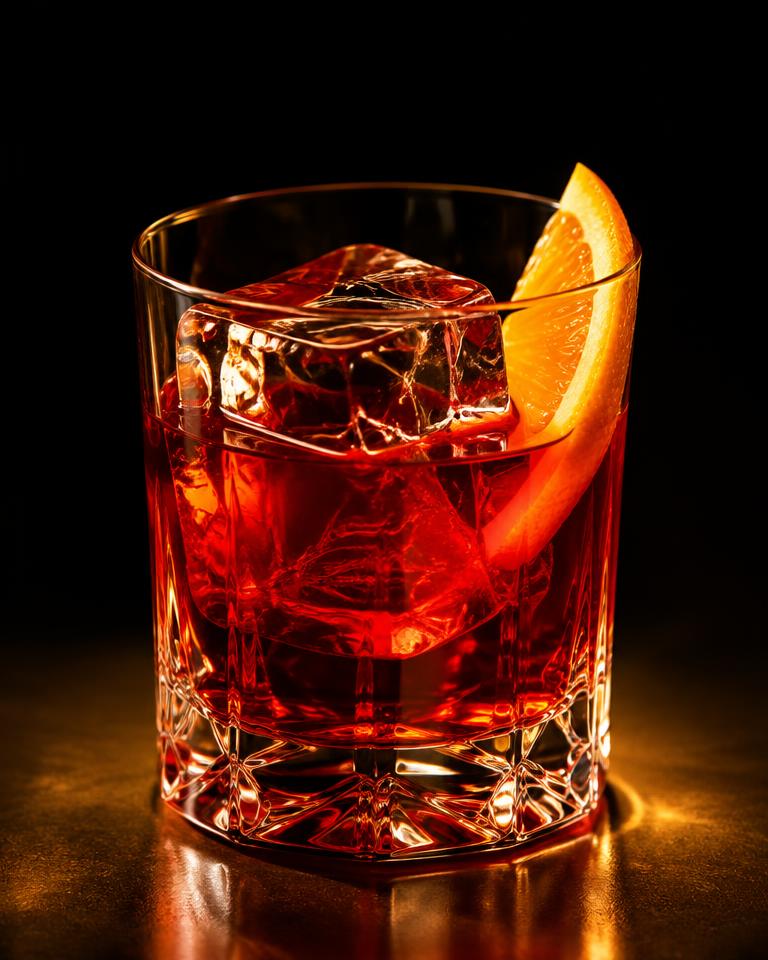 Gin
Negroni
Equal parts gin, Campari and sweet vermouth — bittersweet and assertive.
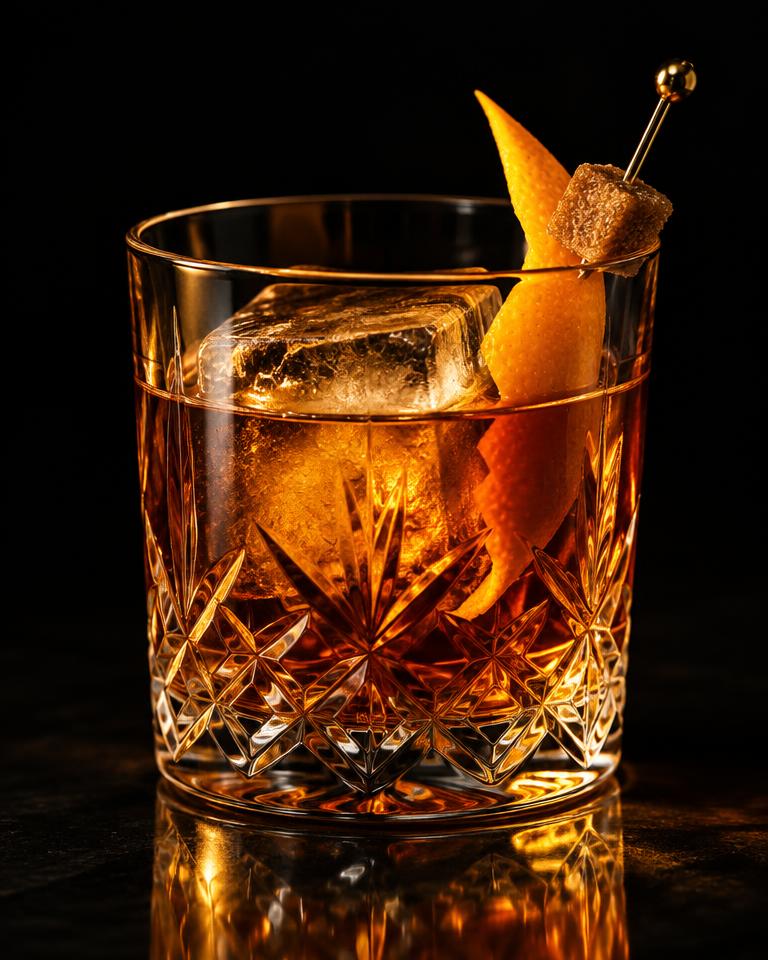 Whiskey
Old Fashioned
Whiskey, sugar, bitters and water — the original definition of a cocktail.
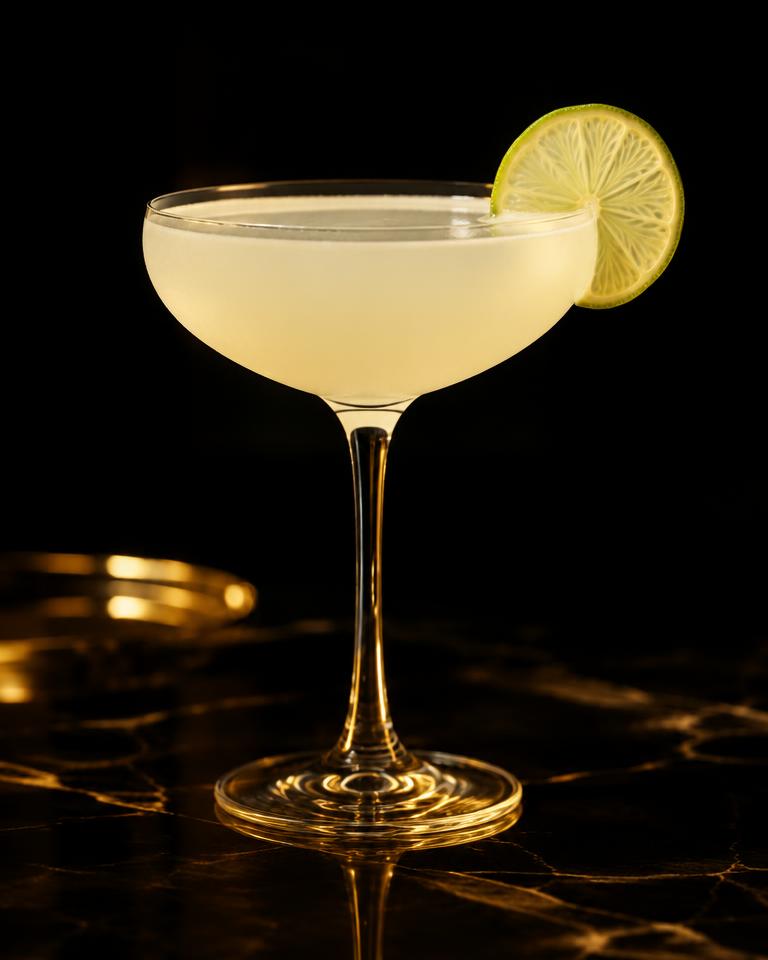 Rum
Daiquiri
White rum, lime and sugar — a bartender's benchmark of balance.
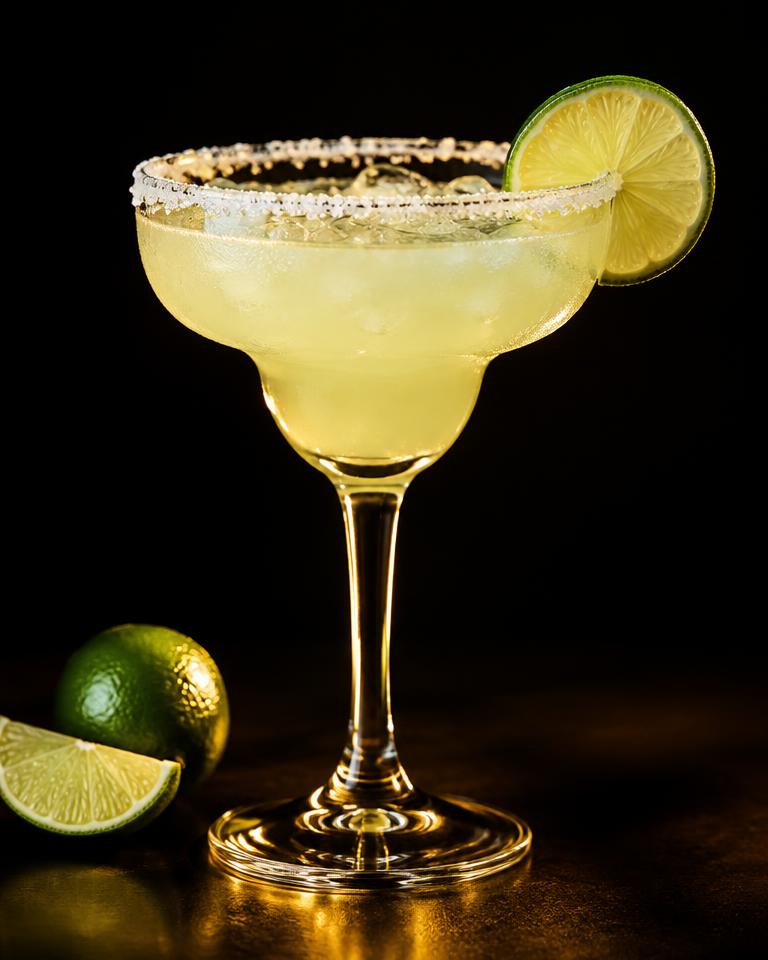 Tequila
Margarita
Tequila, orange liqueur and lime with a salted rim.