
Mixology & Technique
Cocktail History
Punch traditions, nineteenth-century bars, Prohibition and the development of contemporary mixology.
01
Punch and early mixed drinks
Punch traditions combine spirit, water, citrus, sugar and spice. Trade networks expanded access to ingredients. The modern cocktail did not emerge overnight: early mixtures, local habits and tools evolved together. Competing explanations of the word cocktail should be treated separately.
02
The nineteenth century and written recipes
Nineteenth-century bar books supported recipe transmission and professional standardization. Jerry Thomas's 1862 book is an important example, not proof he invented every drink in it. Ice availability, bitters and changing spirit styles expanded short, long and aromatic mixtures.
03
Prohibition and international exchange
US Prohibition from 1920 to 1933 affected bar culture, illicit production and bartender mobility. It is inaccurate to explain every classic as an invention to hide bad alcohol: many recipes predate it. Hotels, Europe and the Caribbean carried and transformed different service traditions.
04
Tiki, vodka and contemporary craft
Tiki, hotel bars and vodka-led drinks rose at different points in the twentieth century. Later craft practice revisited historical recipes, fresh ingredients and measurement. Molecular methods expanded texture tools, but balance and hospitality remained fundamental. Compare multiple sources for origin claims.
05
Printed definitions, Prohibition and rediscovery
The frequently cited 1806 definition combines spirit, sugar, water and bitters, but does not date the birth of all mixed drinks. Punch, sling and toddy have separate traditions. Jerry Thomas's 1862 book broadened recipe circulation. First publication is not necessarily first service or proof of a sole inventor.
US Prohibition changed the geography and working conditions of drinking, while European and Cuban bars gained prominence. It is misleading to explain every citrus cocktail as a disguise for bad liquor. Twentieth-century tropical bars developed elaborate rum and syrup structures, and the modern revival emphasized measurement, fresh ingredients and historical research. Separate documented publication, a venue's own account and later legend. Multiple origin claims should remain explicit rather than being collapsed into one certain story.
06
Pre-history and punches
Before the cocktail there was punch. In the seventeenth century, British sailors and traders working in India learned to mix local arrack with citrus, sugar, water and spice. The word is often traced to the Hindi 'panch', meaning five, for five components: sour, sweet, strong, weak (water or tea) and spice. Though widely repeated, historians do not consider this origin certain.
Punch was a social drink prepared in large bowls and shared, becoming essential in eighteenth-century taverns and clubs in England and the American colonies. Rum, brandy and arrack were the most common bases. Oleo saccharum — muddling lemon peel with sugar to extract its oil — dates from this era. Punch was the first great tradition to establish measure and balance in mixed drinks.
07
The rise of the cocktail, 1800–1885
The earliest known definition of 'cocktail' appeared in 1806 in The Balance and Columbian Repository, a New York newspaper: a stimulating mixture of spirit, sugar, water and bitters — exactly the structure we now call an Old Fashioned. Many stories explain the word, from horse tails to the French coquetier, but none is proven.
In the mid-nineteenth century the ice trade launched by Frederic Tudor cut lake ice and shipped it worldwide, making cold drinks possible and enabling the rise of the shaker and stirred drinks. In 1862 Jerry Thomas published his Bar-Tender's Guide, the first book to systematically collect cocktail recipes, making 'the Professor' the father of the craft. Families such as the sling, sour, fix, fizz, julep, cobbler and daisy took shape. With vermouth's arrival in America in the 1870s and 1880s, stirred classics such as the Manhattan and Martinez were born.
08
The golden age and Prohibition
The period from the 1880s to 1919 is remembered as the cocktail's golden age. Grand hotel bars, professional bartenders and classics such as the Dry Martini, Clover Club and Ramos Gin Fizz took shape. Writers such as Harry Johnson and George Kappeler first set down standards of bar management and service.
In 1920 the Eighteenth Amendment banned the production, sale and transport of alcoholic beverages in the United States. Prohibition did not eliminate drinking; it drove it underground. Secret bars called speakeasies opened, and bootlegging enriched organised crime. Honey, citrus and syrups masked the harsh taste of poor spirits such as 'bathtub gin'; the Bee's Knees is associated with this era. Many talented bartenders emigrated to London, Paris and Havana: Harry Craddock worked at the Savoy, Harry MacElhone in Paris, and Cuban bars introduced the Daiquiri and El Presidente to the world.
09
After Prohibition: tiki and the rise of vodka
When Prohibition ended in 1933, American bar culture had lost much of its talent and knowledge. Harry Craddock's The Savoy Cocktail Book, published in 1930, became one of the most important works preserving the classics. In the same years Donn Beach (Don the Beachcomber) and Victor Bergeron (Trader Vic) launched Polynesian-themed tiki bars, popularising multilayered rum drinks such as the Mai Tai, Zombie and Navy Grog.
After the Second World War, vodka rose quickly in America through clever marketing such as the Moscow Mule. Its neutral taste made it the ideal base in the 1960s and 1970s, when ready-made mixes replaced fresh ingredients. The Screwdriver, Bloody Mary and Harvey Wallbanger became icons. The 1980s and 1990s brought colourful, sweet drinks with memorable names; the Cosmopolitan and Appletini are the last and best-known examples.
10
The cocktail renaissance and today
In the late 1980s, at New York's Rainbow Room, Dale DeGroff brought fresh citrus, house syrups and classic recipes back to the bar, earning the nickname 'King Cocktail'. In London, Dick Bradsell created modern classics such as the Espresso Martini and Bramble. In 2000 Sasha Petraske opened Milk & Honey, reviving a quiet, reservation-only, meticulous speakeasy model that inspired the world. Historians such as David Wondrich and Ted Haigh researched old books and revived forgotten recipes.
Today cocktail culture centres on local ingredients, sustainability, low- and no-alcohol drinks and hospitality. Bars make their own bitters, cordials and syrups, and the line between kitchen and bar keeps narrowing. International bartending associations, competitions and world bar rankings have raised the profession's standing as the cocktail is redefined as a craft.
11
The birth of molecular mixology
In the 2000s the molecular gastronomy of chefs such as Ferran Adrià and Heston Blumenthal reached the bar. Bartenders experimented with foams, gels, spherification, liquid nitrogen, vacuum infusion and clarification. Tony Conigliaro in London was among the pioneers bringing a laboratory approach to the bar, and Dave Arnold turned his technical research into a book.
Molecular mixology is not a show but a toolkit for more precise control of texture, temperature and aroma. The best practice uses techniques to improve flavour, while ingredient safety, correct dosing and compliance with food regulations always come first.
Related cocktails
Related cocktails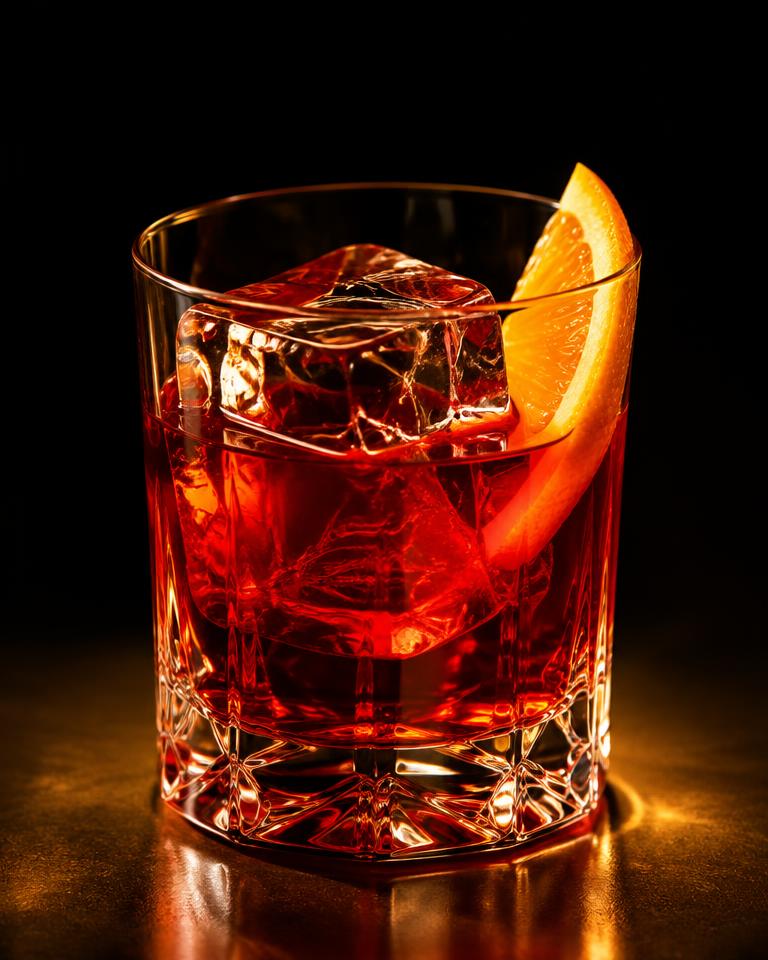 Gin
Negroni
Equal parts gin, Campari and sweet vermouth — bittersweet and assertive.
 Whiskey
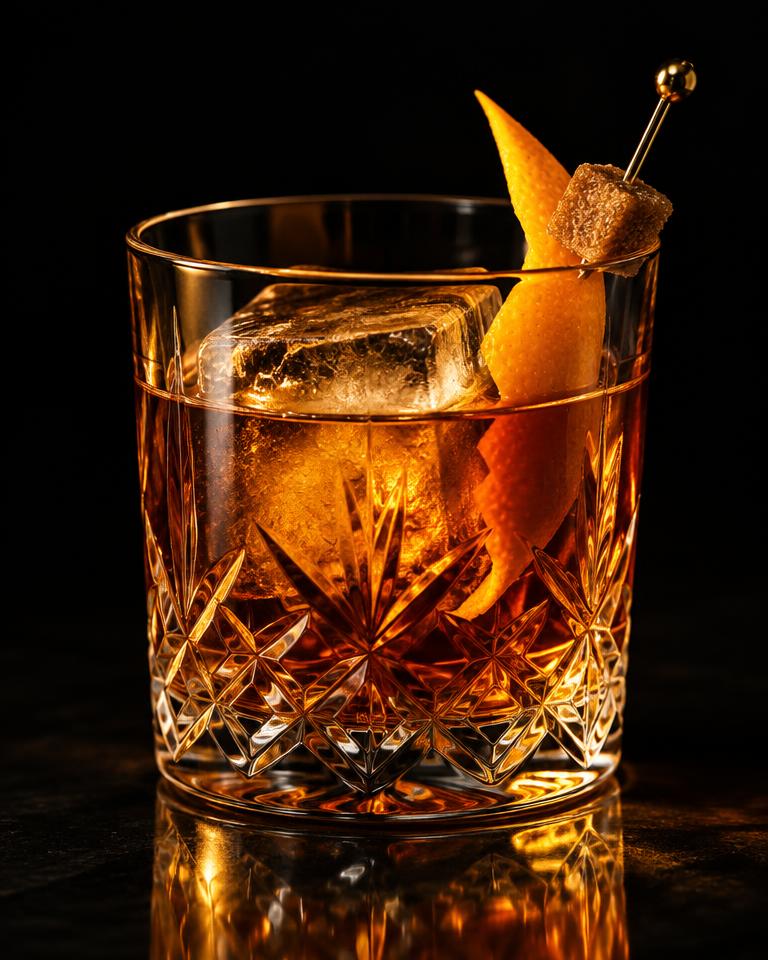
Old Fashioned
Whiskey, sugar, bitters and water — the original definition of a cocktail.
 Rum
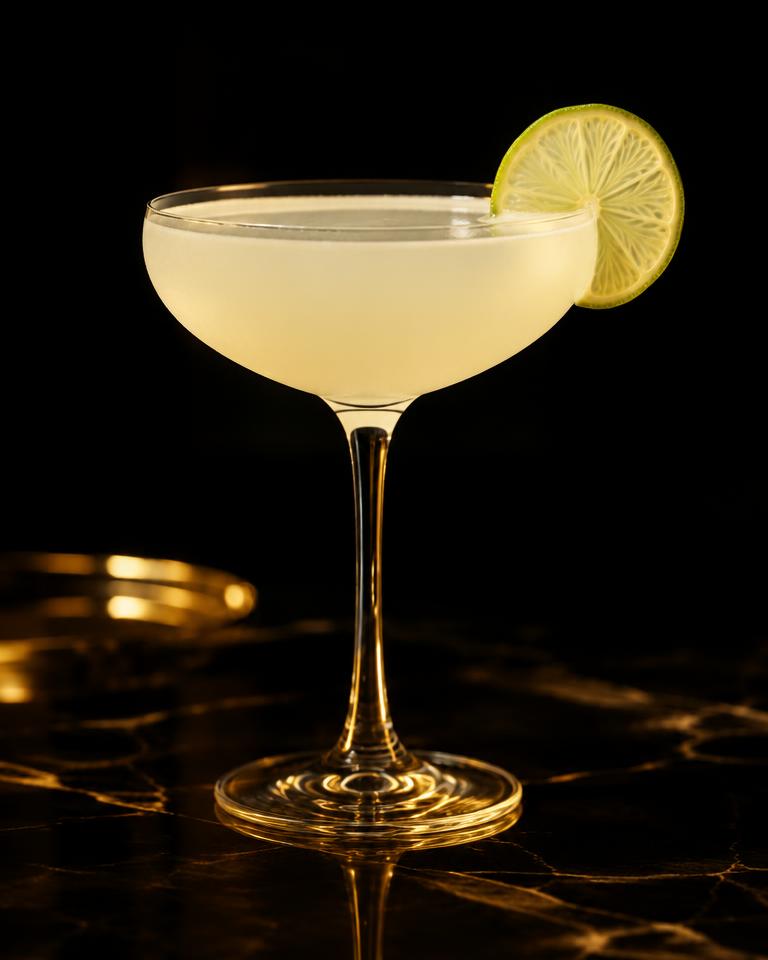
Daiquiri
White rum, lime and sugar — a bartender's benchmark of balance.
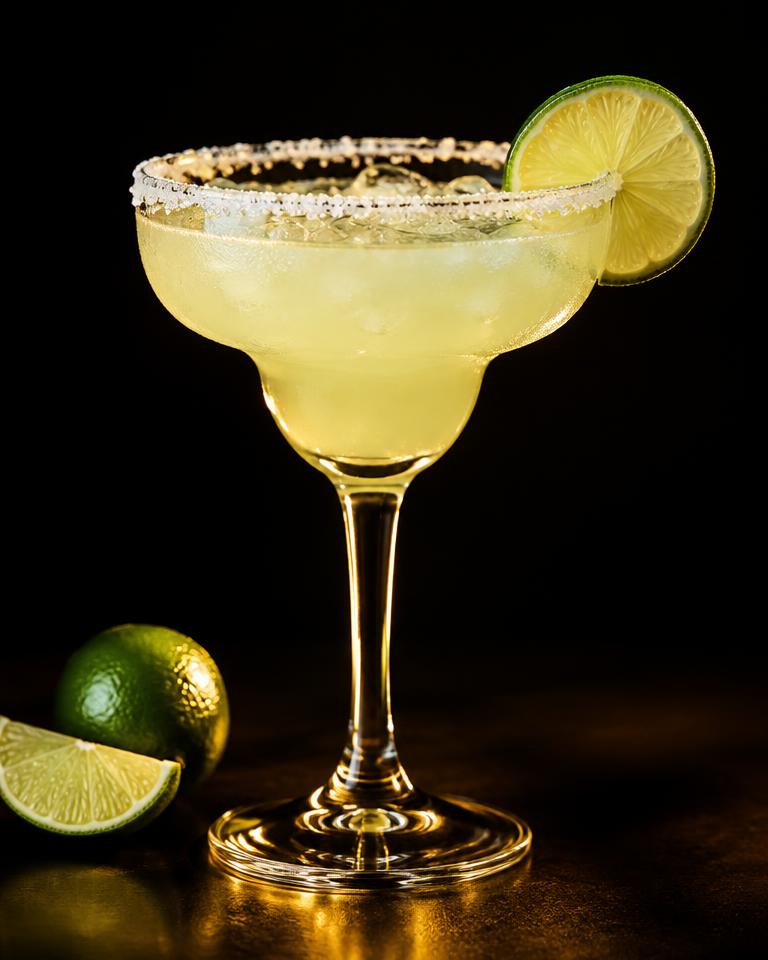 Tequila
Margarita
Tequila, orange liqueur and lime with a salted rim.