
Spirit Guides
Brandy & Cognac
Wine, fruit and pomace spirits: differences between Cognac, Armagnac, Calvados, grappa and pisco.
01
The brandy family
Brandy is the broad family of spirits distilled from wine or fermented fruit. Grape brandy is familiar, but apples, pears and other fruits are also used. Fruit acidity and aroma, distillation and maturation influence character. Not every brandy is Cognac: Cognac belongs to a defined region and production rules.
02
Cognac and Armagnac
Cognac is associated with designated grape varieties, double pot distillation and oak maturation. Current Cognac classifications require the youngest component to mature at least two years for VS, four for VSOP and ten for XO. Armagnac has a different region and tradition; continuous single distillation is common, but not a universal description. Verify rules and labeling with producers.
03
Calvados, grappa and pisco
Calvados is a regionally regulated apple spirit that may include pears under its rules. Grappa uses grape pomace and differs in feedstock from wine brandy. Pisco encompasses grape spirits made under distinct Peruvian and Chilean rules. Unaged aromatic and pomace-based products remain meaningfully different even within the fruit-spirit family.
04
Tasting and oak influence
Track fresh fruit, floral, dried fruit, vanilla and spice notes separately. Extended oak contact can add tannin and woodiness; greater intensity is not always better balance. Warming a large balloon glass in the hand may intensify alcohol vapor; a smaller aroma-focused glass at controlled temperature can be useful. Tasting and service portions are different.
05
Cocktail use and substitution
A Sidecar balances brandy, orange liqueur and lemon; a Pisco Sour highlights unaged grape aroma and foam. Aged Cognac and pisco are not interchangeable without changing the result. Armagnac or Calvados can add new aromas but may require sugar and acid adjustments. Store upright, cool and away from sunlight; fruit aromas can evolve in opened bottles.
06
Cognac crus, age codes and fruit spirits
Cognac crus include Grande Champagne, Petite Champagne, Borderies, Fins Bois, Bons Bois and Bois Ordinaires. Fine Champagne is a regulated blend designation, not a separate cru. Geography alone does not rank quality. Grapes, wine, distillation and maturation interact, while Armagnac has distinct traditions and varied methods.
Cognac VS, VSOP and XO generally require the youngest component to reach at least two, four and ten years respectively, with historical label rules considered separately. Codes do not mean every component shares one age. Pisco follows distinct unwooded grape traditions; grappa uses pomace and can be young or matured. Fruit eaux-de-vie highlight other fruits. In a Sidecar, cask notes meet orange liqueur and acid; in a Stinger, mint dosage can obscure delicate base aromas.
07
Cognac: region, distillation and crus
Cognac is produced in south-west France from white wine made mainly from Ugni Blanc grapes, double-distilled in copper Charentais pot stills. Whether wine is distilled with its lees depends on house style; lees give richer, oilier character. Distillation must legally finish by 31 March each year.
The region is divided into six crus by soil. Grande and Petite Champagne, with chalky soils, give elegant, floral cognacs suited to long ageing; a blend of the two with at least half Grande Champagne is called 'Fine Champagne'. Borderies gives round cognacs with violet notes, Fins Bois fruity, faster-maturing spirits, and Bons Bois and Bois Ordinaires more rustic ones. 'Champagne' here refers to an old French term for open chalky land, not the sparkling wine region.
- VS: at least 2 years
- VSOP: at least 4 years
- XO: at least 10 years
- Hors d'Âge: beyond XO, prestige blends
08
Armagnac and Calvados
Armagnac, produced in Gascony, is considered France's oldest brandy. It is mostly distilled once at low strength in the continuous Armagnac column still, giving a more rustic, fuller and more aromatic spirit than cognac. It has three sub-regions: Bas-Armagnac, Ténarèze and Haut-Armagnac. Unlike cognac, single-vintage Armagnacs are common, and small family producers play a major role.
Calvados is made in Normandy by distilling cider from apples and pears. Hundreds of apple varieties, grouped as sweet, bittersweet, bitter and sharp, are blended. In the Pays d'Auge double pot-still distillation is required and the most complex examples come from there. Domfrontais is known for its high pear content. Young Calvados shows fresh apple; older Calvados shows baked apple, leather and spice.
09
Pisco, grappa and world brandies
Pisco is a grape brandy made in Peru and Chile, with its origin disputed between them. Peruvian pisco must be single-distilled, without added water or wood ageing, from non-aromatic grapes such as Quebranta or aromatic ones such as Italia and Torontel. Chilean pisco may be diluted and wood-aged. The Pisco Sour and Pisco Punch introduced it to the world.
Grappa is distilled in Italy from grape pomace (vinaccia) left after winemaking; its French counterpart is marc. Eaux-de-vie are usually unaged, colourless brandies from fruits such as pear (Poire Williams), cherry (Kirsch), plum (Mirabelle, Slivovitz) and raspberry (Framboise). Spain's Brandy de Jerez matures in sherry casks through a solera; Armenia, Georgia and South Africa also have long brandy traditions.
10
Serving and brandy in cocktails
Aged cognac and Armagnac are sipped from a tulip glass at room temperature; wide balloons and hand-warming push alcohol vapour forward and can mask aroma. As a digestif they pair well with coffee and dark chocolate.
In cocktails VS and VSOP cognacs form the base of the Sidecar, Brandy Crusta, Between the Sheets and Vieux Carré. Calvados adds apple depth to the Jack Rose and Corpse Reviver No. 1, and pisco's floral character shines in sours. Early versions of the Sazerac are known to have used cognac.
Related cocktails
Related cocktails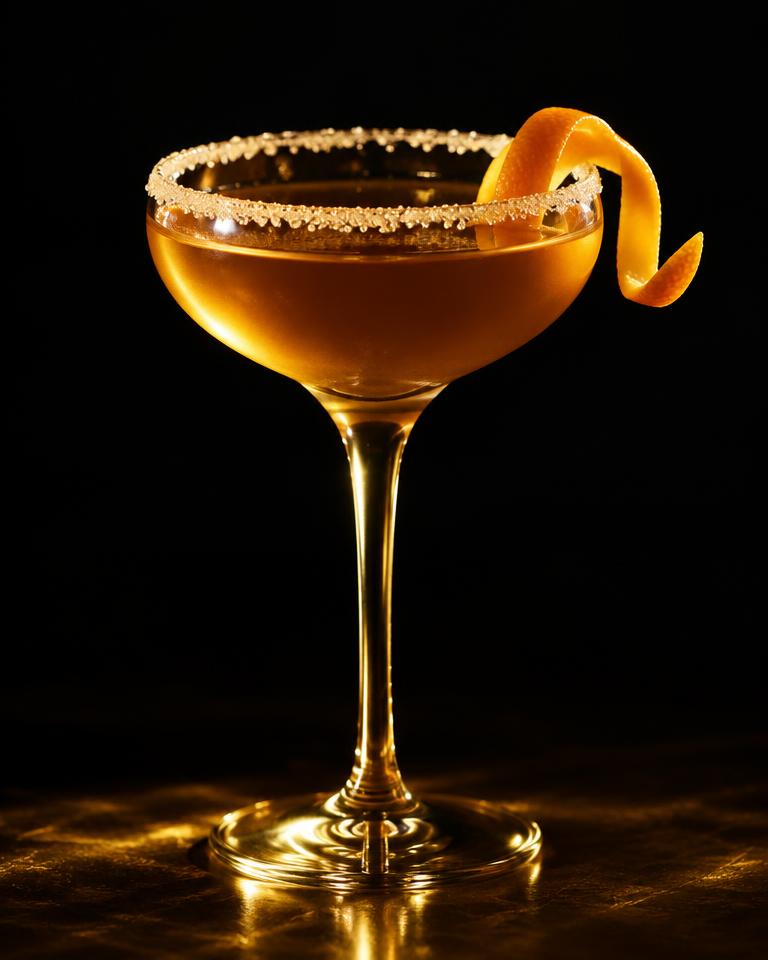 Cognac
Sidecar
Cognac, orange liqueur and lemon — Jazz Age elegance.
 Cognac
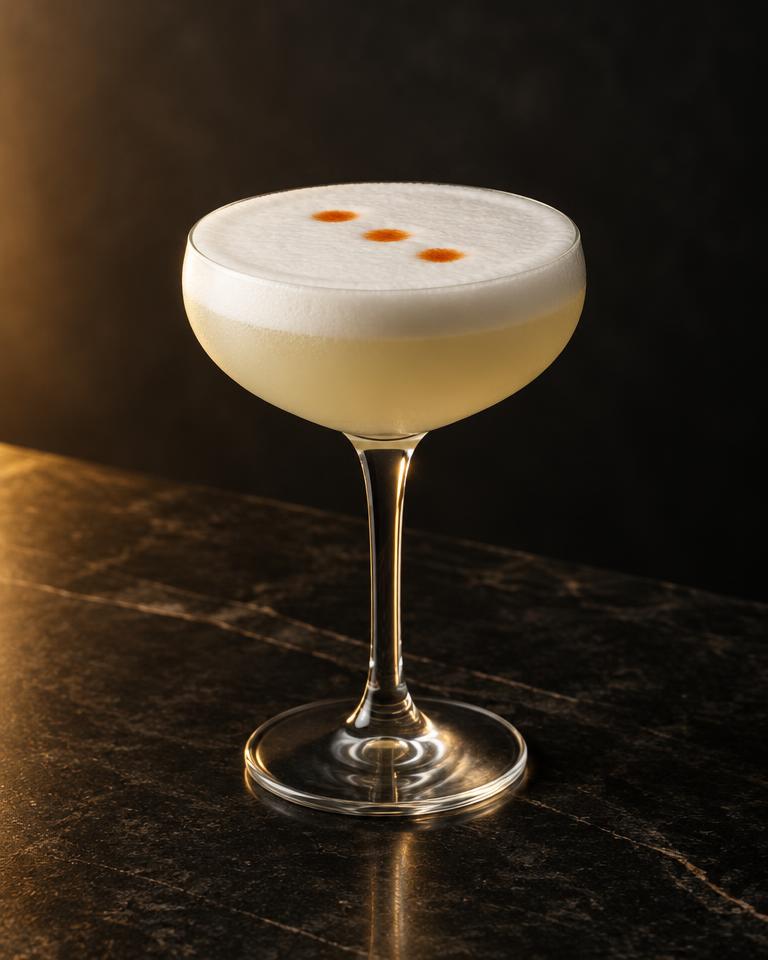
Pisco Sour
Pisco, citrus and sugar under a silky egg-white foam.
 Cognac
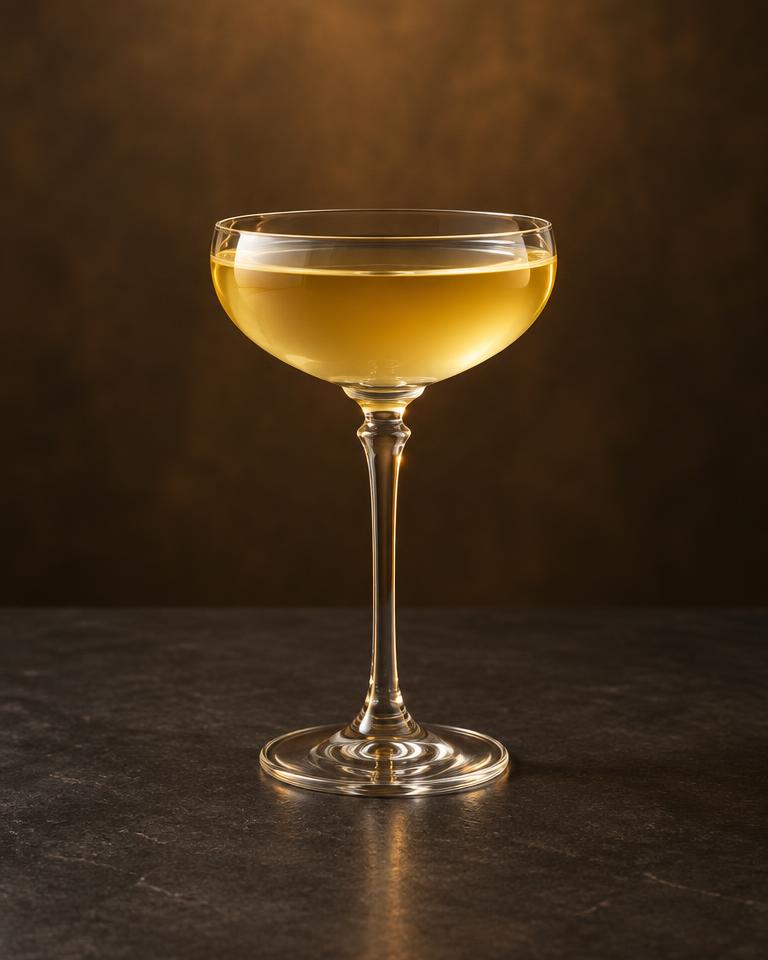
Stinger
A cooling classic of cognac and white crème de menthe.
 Cognac
Alexander
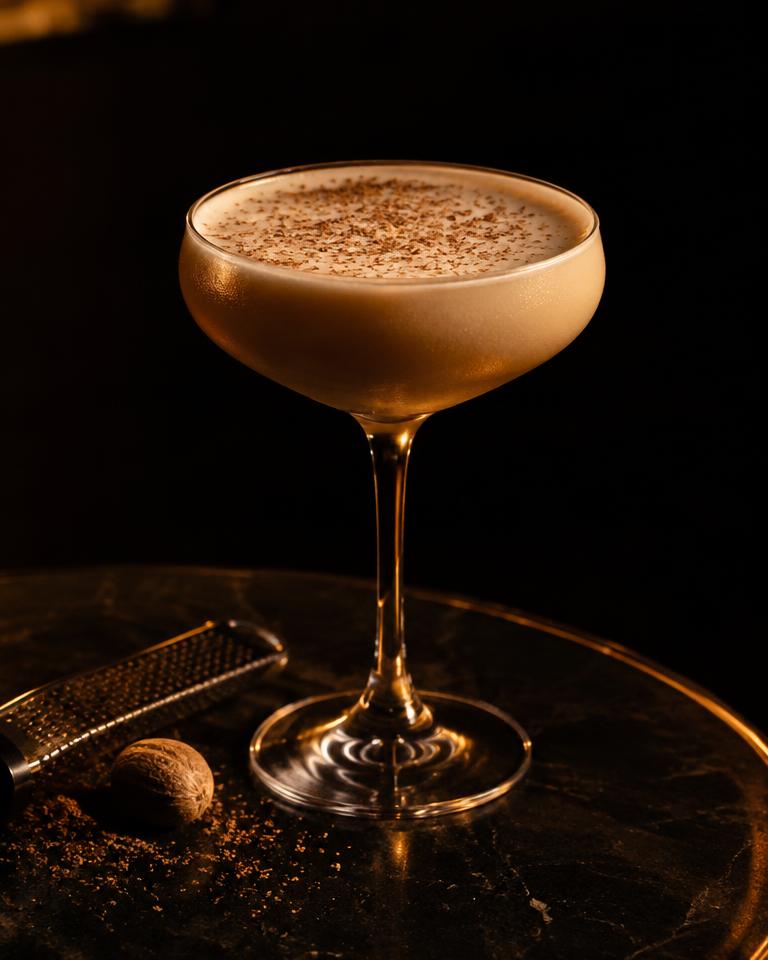
Cognac, dark crème de cacao and cream, dusted with nutmeg.