

Bar Knowledge
Bartenders, Mixologists & Hospitality
Professional roles, communication, teamwork and responsibility for safe service.
01
Roles and responsibilities
A bartender manages welcome, order confirmation, hygiene, stock and payment as well as recipes. Mixologist often emphasizes recipe and technique development; it is not a title superior to hospitality. Good service combines product knowledge, measurement and respectful communication.
02
Taking orders and recommending
Acknowledge arriving guests and communicate delays when busy. Confirm recipe, portion and allergen details. Ask brief taste questions without pressuring guests toward more expensive or stronger drinks. Listen to complaints and resolve them under house procedures instead of defending an incorrect drink.
03
Team workflow
Assign tasks and stations before service. Communicate shortages, allergy requests and safety concerns promptly. Shared specification cards and closing records support consistency between shifts. Showmanship and speed do not replace hygiene or portion control.
04
Professional boundaries
Respect privacy, avoid discriminatory assumptions and involve house support when harassment occurs. Do not normalize drinking on duty or behaviors that impair safety. Selling more alcohol to an intoxicated guest is not professional success; refusal and safe transport matter when needed.
05
Greeting, ordering and team communication
A welcome signals that guests have been noticed. Eye contact and a brief greeting clarify waiting during busy service; set a realistic venue standard rather than imposing one universal ten-second rule. Clarify preferences, allergens, alcohol choice and price. Two relevant alternatives often help more than an exhaustive ingredient list.
Mixologist and bartender are not independent ranks of superiority: recipe development and hospitality can coexist. Do not promise health benefits. Correct mistakes through a shared process rather than blame. Pass orders, refusals and allergen information consistently without broadcasting private details. Complete stock and incident handovers. Courtesy never requires accepting unsafe or unlawful requests; professionalism includes respectful boundaries.
Related cocktails
Related cocktails Gin
Negroni
Equal parts gin, Campari and sweet vermouth — bittersweet and assertive.
 Whiskey
Old Fashioned
Whiskey, sugar, bitters and water — the original definition of a cocktail.
 Rum
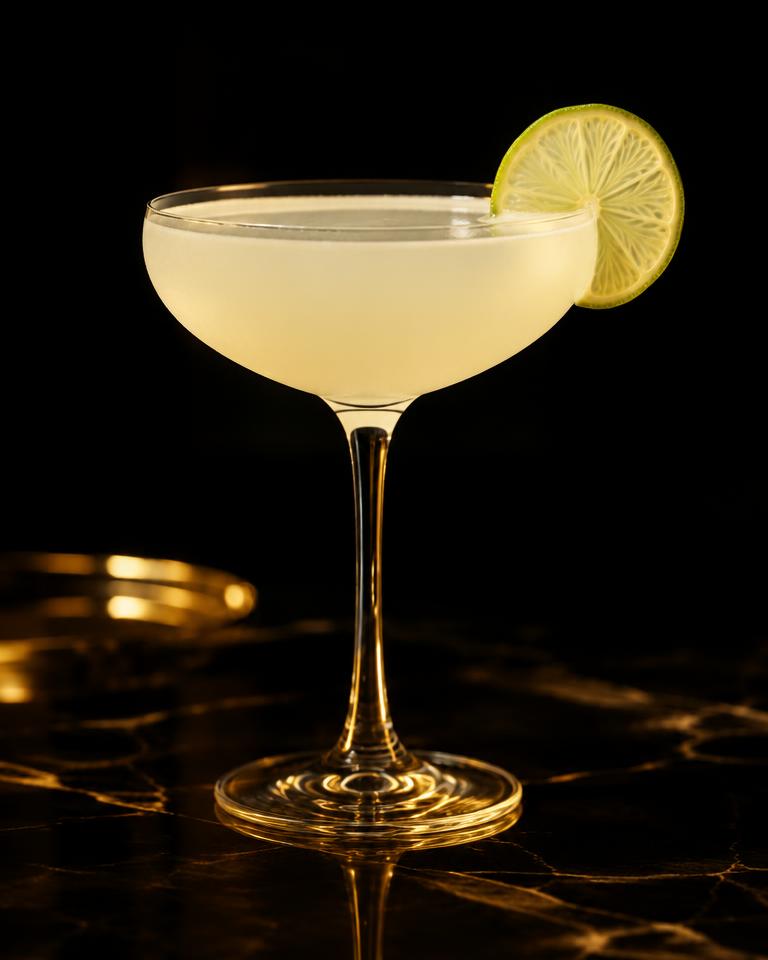
Daiquiri
White rum, lime and sugar — a bartender's benchmark of balance.
 Tequila
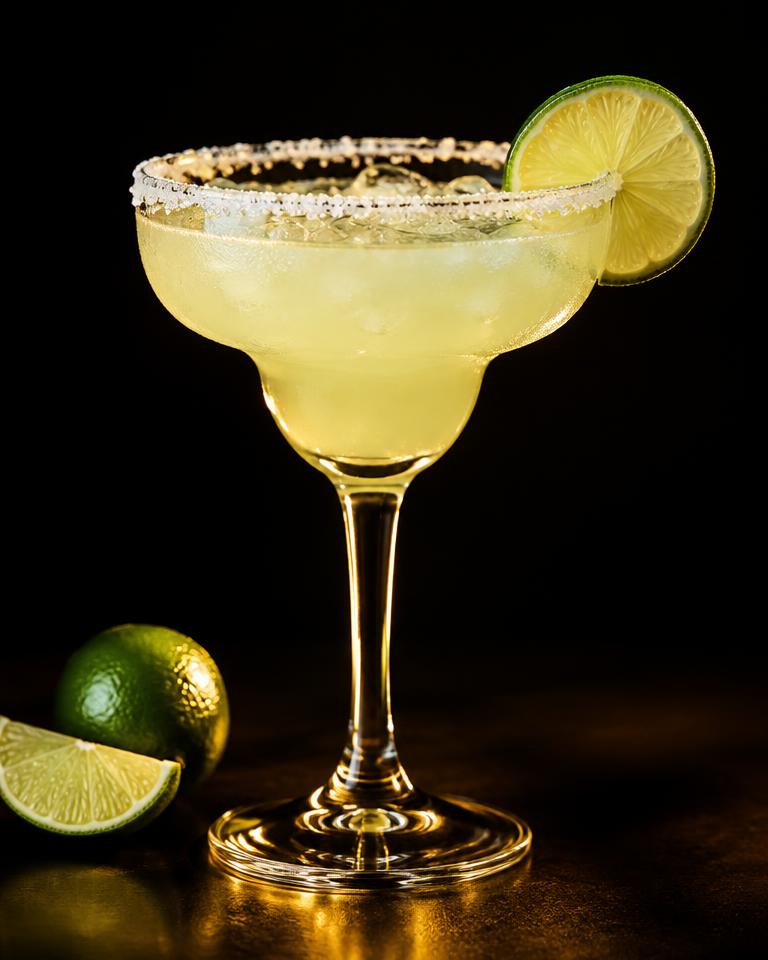
Margarita
Tequila, orange liqueur and lime with a salted rim.