Bar Knowledge
Bar Types, Stations & Ergonomics
Safe layout and workflow in cocktail, hotel, restaurant and event bars.
01
Bar type shapes service
Cocktail bars emphasize specifications and prep; restaurants coordinate with food; hotels serve varied demand throughout the day. Wine- or beer-focused bars need different storage and equipment. Event bars handle concentrated demand in limited space. Layout should follow the menu and volume.
02
Station layout
Keep frequently used bottles, jiggers, shakers and ice within comfortable reach. Separate clean glassware, prep, dirty equipment and waste paths. Arrange speed rails by recipe frequency. Protect ice from breakage and splash risks, and keep electrical equipment away from water.
03
Ergonomics and accessibility
Counter height and aisle width depend on staff, space, equipment and local building rules. Example dimensions in a book are not universal project standards. Reduce reaching, bending and collisions; use non-slip surfaces and suitable footwear. Plan accessible guest seating and service areas.
04
Risk control
Keep exits clear, sharp tools secure and broken glass in a separate container. Mark and clean wet floors promptly. Record refrigeration, washing and plumbing maintenance. Test new stations with water and sample orders before service, observing safety as well as speed.
05
Cockpit layout and repetitive movement
A cockpit-like station keeps frequent bottles, ice, measures and straining areas nearby without crowding guest-facing space. Arrange speed rails by actual menu use. Observe both hands and place frequent tools where they avoid repeated bending or shoulder elevation.
Separate clean tools, dirty glass and waste paths. Washing glass beside ice increases breakage risk. Provide stable cutting surfaces and keep electrical cables out of wet pouring paths. Hotel, restaurant and high-volume cocktail bars may need different layouts. Test several real orders and observe steps and reaches. Efficiency should reduce repetitive strain while preserving hygiene, not merely accelerate output.
Related cocktails
Related cocktails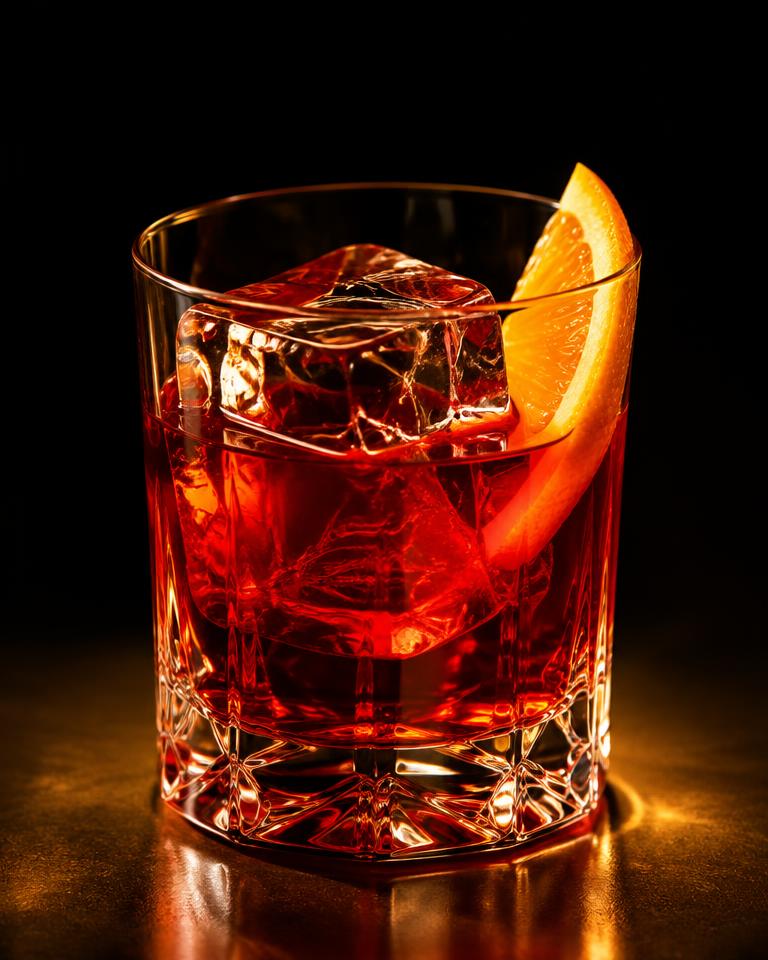 Gin
Negroni
Equal parts gin, Campari and sweet vermouth — bittersweet and assertive.
 Whiskey
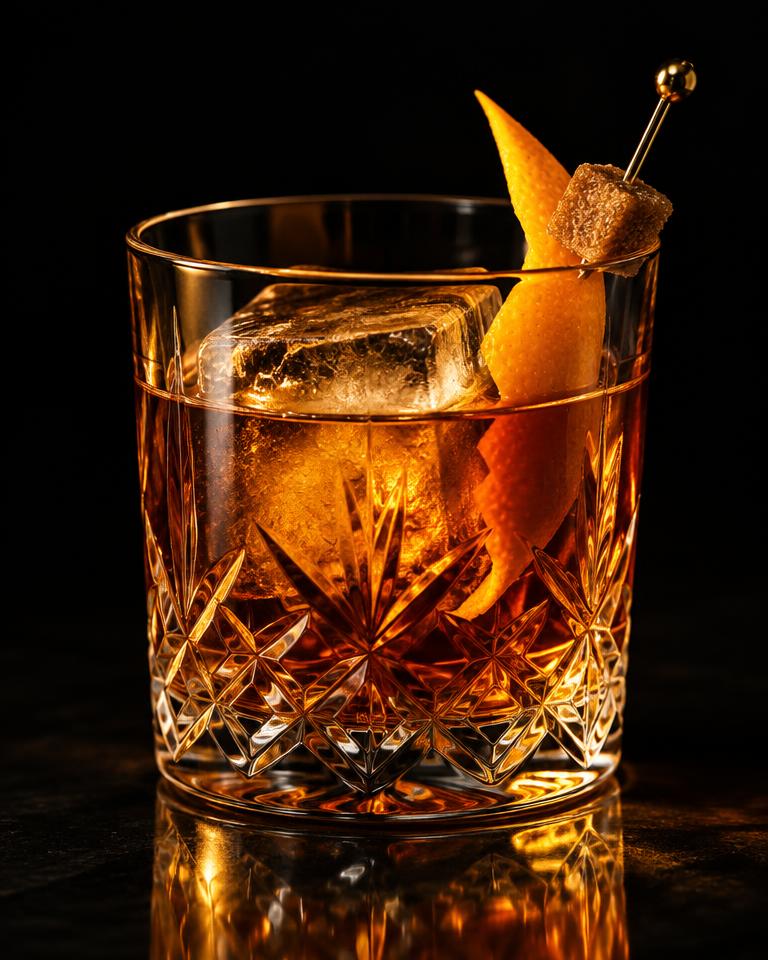
Old Fashioned
Whiskey, sugar, bitters and water — the original definition of a cocktail.
 Rum
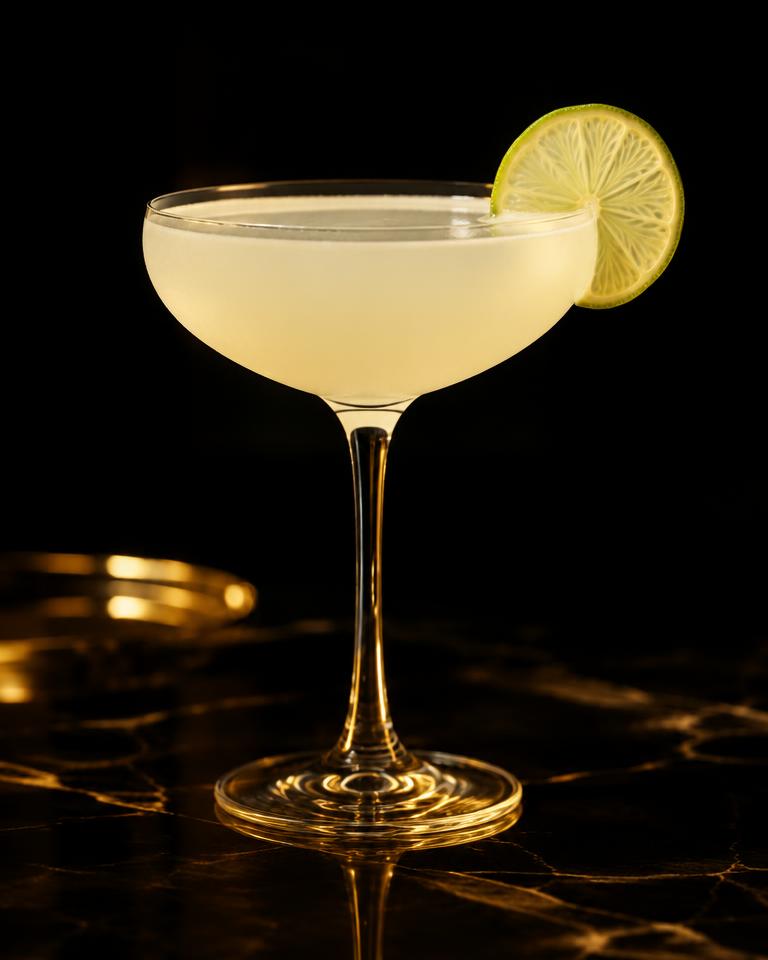
Daiquiri
White rum, lime and sugar — a bartender's benchmark of balance.
 Tequila
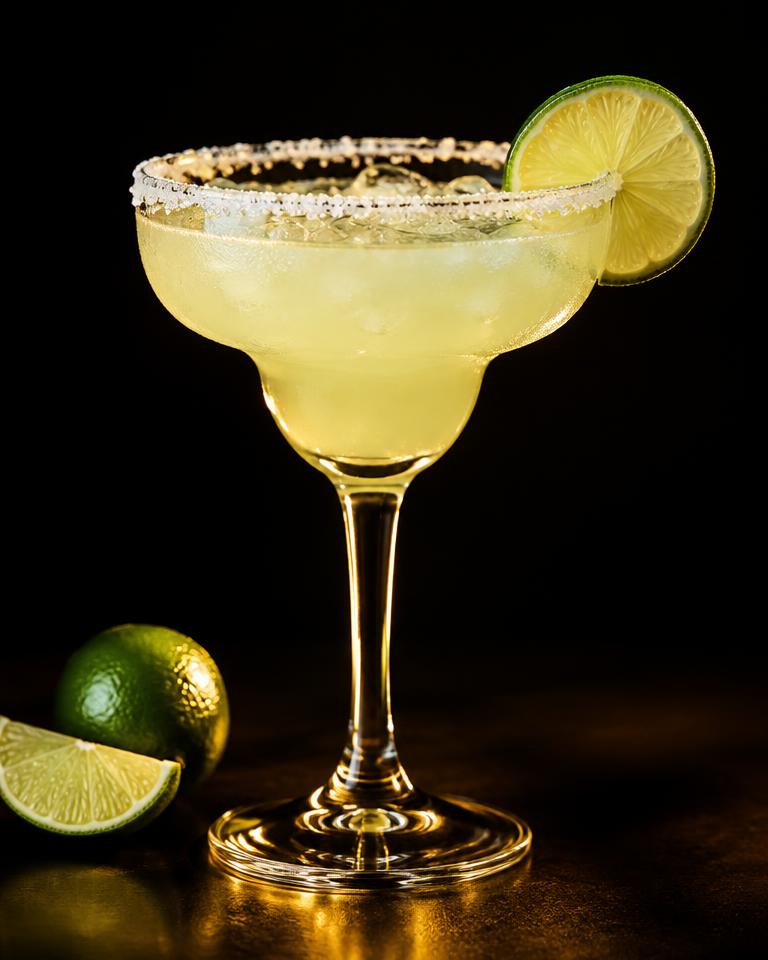
Margarita
Tequila, orange liqueur and lime with a salted rim.