
Spirit Guides
Aperitifs, Amaro & Vermouth
Bitter-sweet aperitifs, after-dinner styles and wine-based vermouth: types, service and storage.
01
What aperitif and digestif describe
Aperitif and digestif describe before- and after-meal serving traditions, not one production method or strength. Bitter aperitivo, vermouth, amaro and fortified wines are distinct families. The word digestif is not evidence of medical digestive benefits. Consider bitterness, sugar and botanical aroma together.
02
Vermouth's wine base
Vermouth is an aromatized, fortified wine-based product. Botanicals, sugar and wine form dry, bianco, rosso and other styles. Rosso color does not necessarily mean red grapes: white-wine bases are common. Dry and blanc/bianco do not share the same sweetness. Brand information and tasting matter alongside the style name.
03
Amaro and bitter aperitivo
Amaro may combine roots, peels, spices and herbs in bitter-sweet profiles, with varying sugar and strength. Bitter aperitivo adds structure to spritzes and Negroni-style recipes. Aromatic cocktail bitters are concentrated additions used in small amounts, not at the same measure as potable bitter liqueurs. Do not substitute these families based only on color.
04
Cold storage and service
Refrigerate opened vermouth according to producer instructions and date it; the wine base is sensitive to oxidation. Do not conceal spoiled vermouth with stronger spirits. Fresh vermouth matters in Martinis, Manhattans and Negronis. Add cold sparkling components to spritzes at service. Measure portions even when strength seems low.
05
Wine bases, aromatization and oxidation
Vermouth is fortified, aromatized wine. Color does not necessarily derive only from grape color. Dry, bianco and rosso vary in sweetness and botanicals; bianco is not always dry. Aperitif describes a service tradition, whereas vermouth is a product category. Wine aperitifs, bitter aperitivo and amaro do not share one production definition.
Refrigerate opened wine-based products according to producer instructions and record opening dates. Headspace affects oxygen exposure; large bottles used slowly may lose freshness. No universal home expiry guarantees every brand. Dry vermouth connects botanicals in a Martini; sweet vermouth supplies sugar and body in Manhattan and Rob Roy. Compare sugar and bitterness when changing aperitivo rather than equating products by red color.
Related cocktails
Related cocktails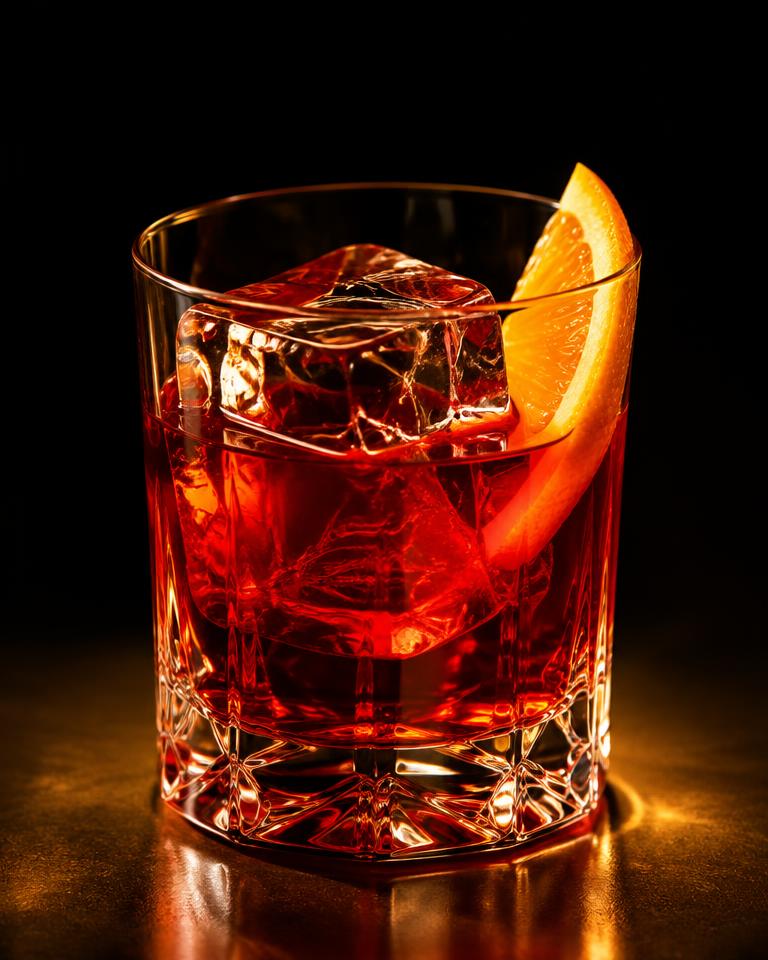 Gin
Negroni
Equal parts gin, Campari and sweet vermouth — bittersweet and assertive.
 Whiskey
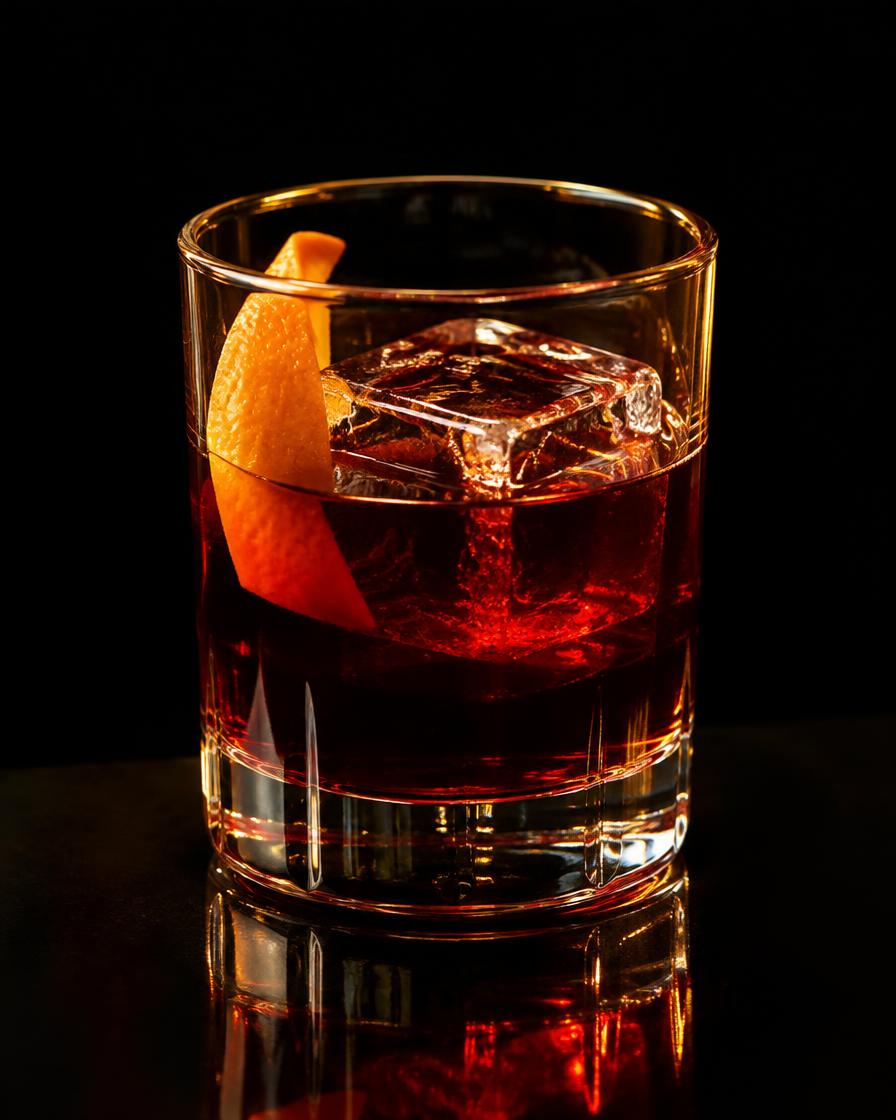
Old Fashioned
Whiskey, sugar, bitters and water — the original definition of a cocktail.
 Whiskey
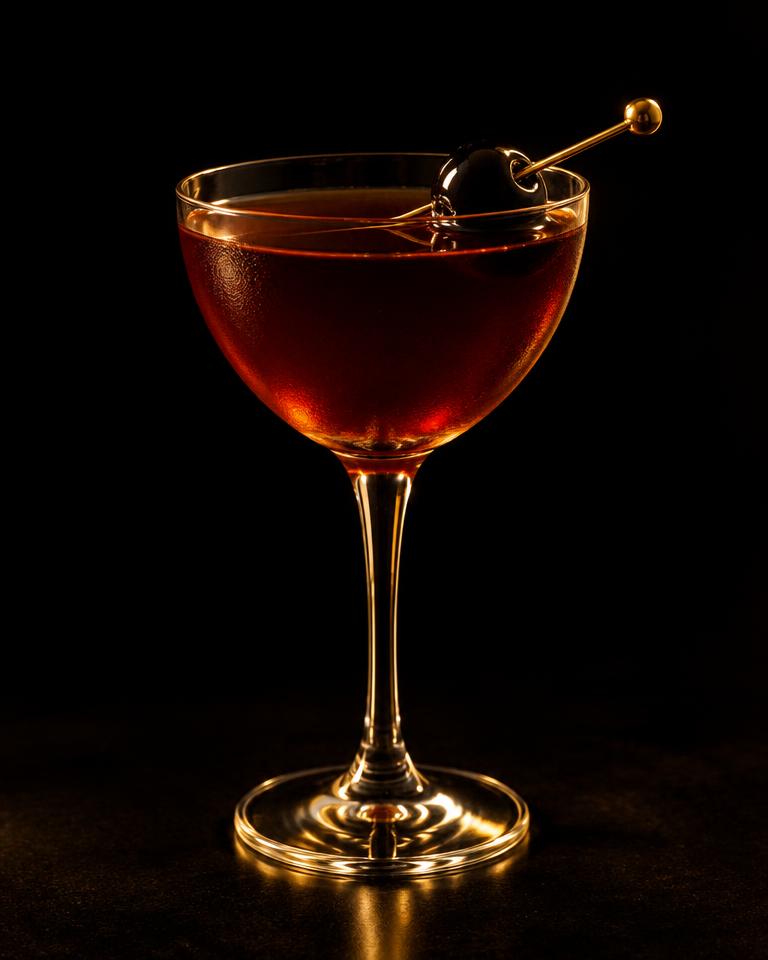
Manhattan
Rye whiskey, sweet vermouth and bitters, stirred and served up.
 Gin
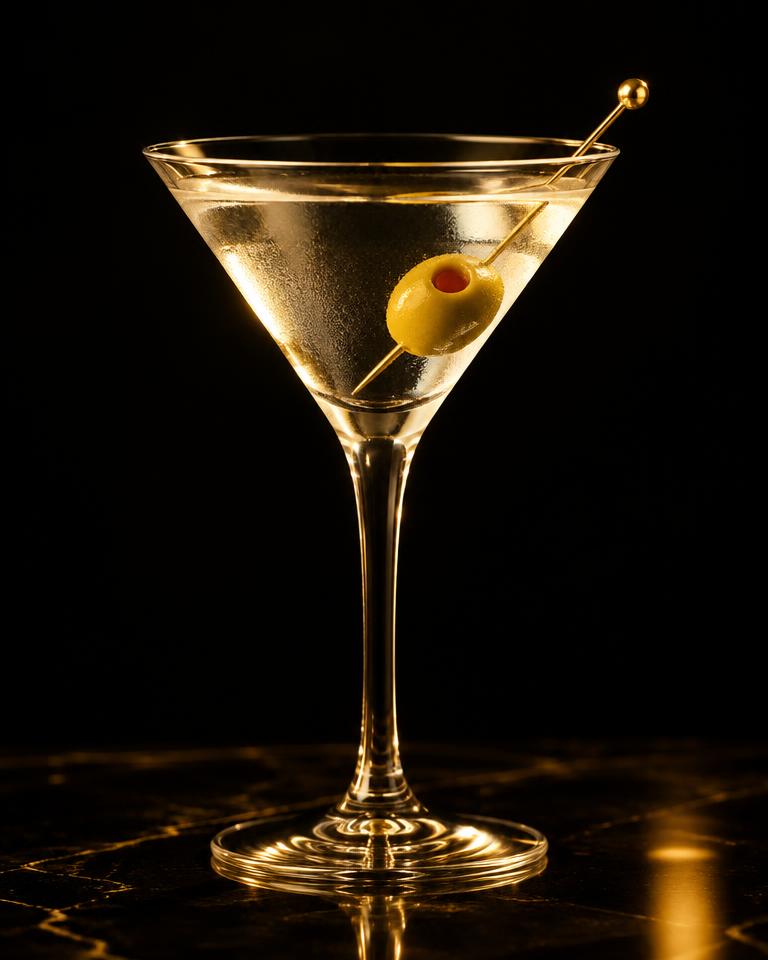
Dry Martini
Gin and a whisper of dry vermouth — icy, aromatic, uncompromising.