
Spirit Guides
Anise Spirits & Rakı
Rakı, pastis, ouzo, sambuca and absinthe: production differences, clouding with water and measured service.
01
Shared aroma, different categories
Rakı, ouzo, pastis, sambuca and absinthe share anise-like aromas but are not the same drink. Base alcohol, botanicals, distillation, sugar and regulation differ. Rakı is associated with grape-based suma and anise distillation. Sambuca is a liqueur, while absinthe combines wormwood with other botanicals for a different profile.
02
Clouding with water
Adding water reduces the solubility of some aromatic oils, producing fine droplets and the clouding known as louche. It is not a standalone purity or quality test. Water quantity and temperature change aroma perception and alcohol heat. Follow the product's serving guidance without increasing portions merely to create the effect.
03
Table service and cocktail use
Rakı is associated with Turkish table and meze culture and is served in measured portions with water and, where desired, ice. Pastis or absinthe may be used as small aromatic additions or glass rinses. Sambuca's sweetness must be considered separately. Anise is powerful; even a few milliliters can change the entire drink.
04
Myths and safety
Claims about absinthe-induced hallucinations or special health effects are not reliable service information. High-strength spirits are flammable; flaming drinks or burning sugar are not recommended. Use only lawful traceable products. Water reduces concentration, not the total alcohol in the serving; appearance is not a measure of consumption.
05
Anise oil, louche and table context
Anethole and related aromatic compounds can form fine droplets when water lowers alcohol concentration, creating louche. It also occurs in some pastis and absinthe products. Temperature, proof and oil composition affect clouding; greater whiteness proves neither quality nor safety. Use licensed, traceable products.
Rakı, ouzo, pastis and sambuca have distinct bases, methods and sweetness rather than being alternate names for one drink. Water and ice alter temperature and aroma, not health superiority. Food pairing considers salty, fatty and herbal elements without neutralizing alcohol. Anise can dominate cocktails even in small doses; a rinse can limit that intensity.
Related cocktails
Related cocktails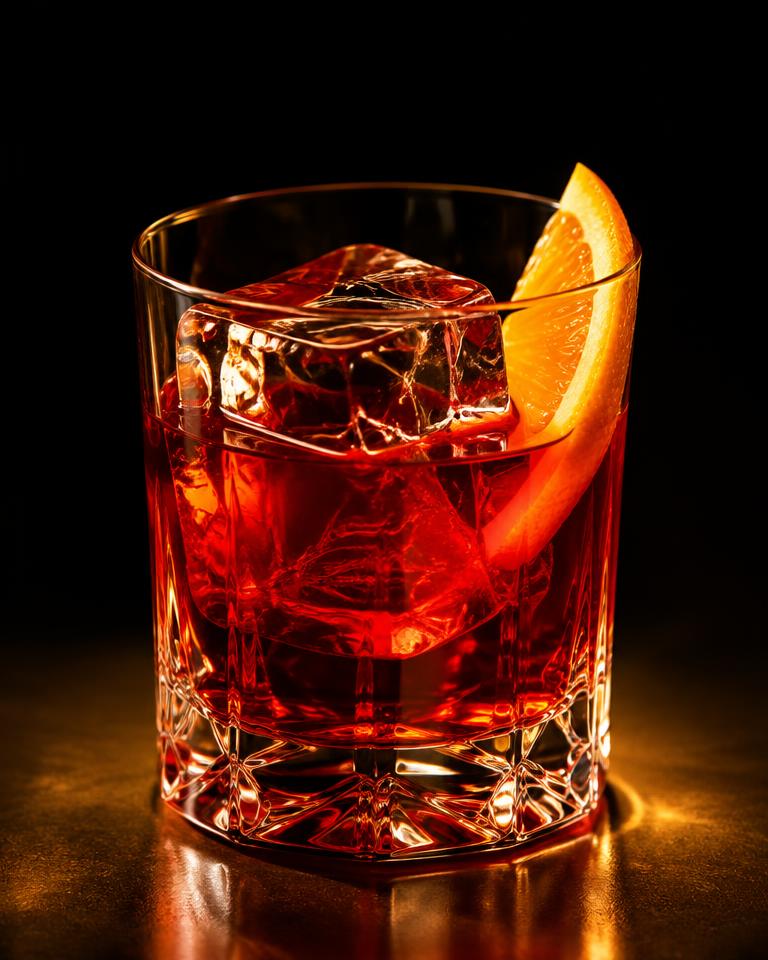 Gin
Negroni
Equal parts gin, Campari and sweet vermouth — bittersweet and assertive.
 Whiskey
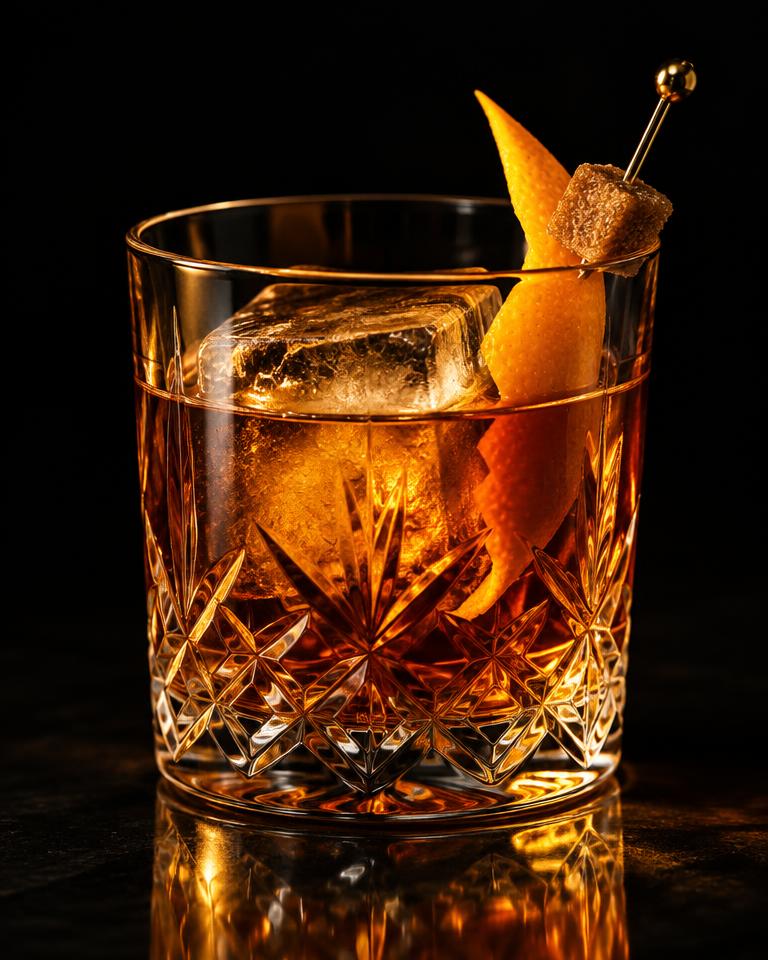
Old Fashioned
Whiskey, sugar, bitters and water — the original definition of a cocktail.
 Rum
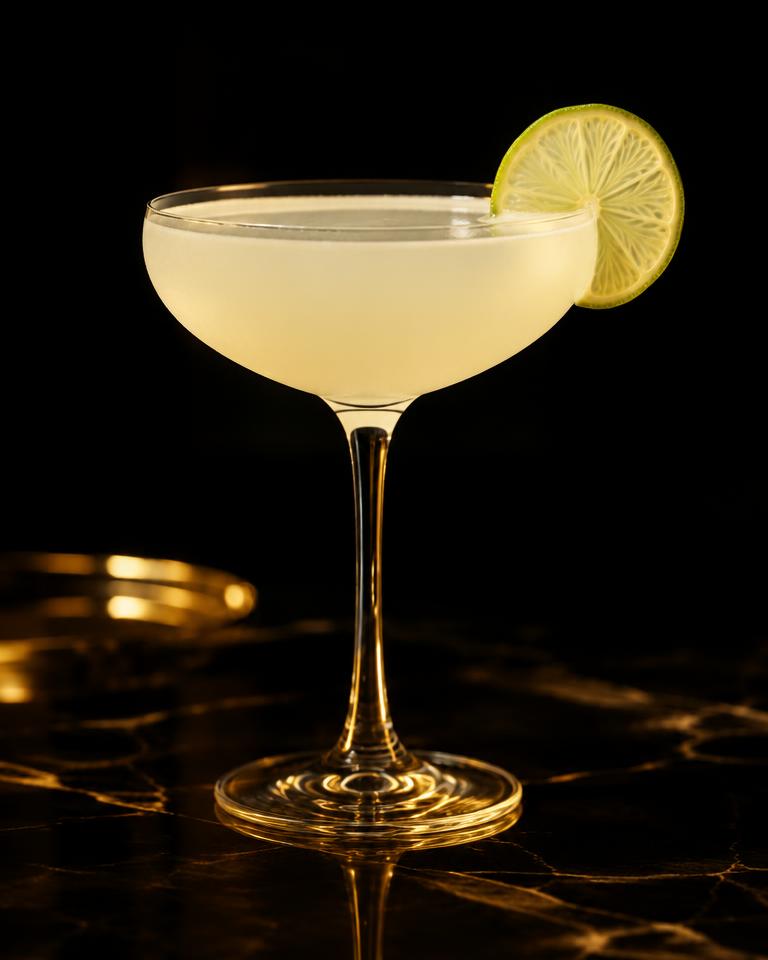
Daiquiri
White rum, lime and sugar — a bartender's benchmark of balance.
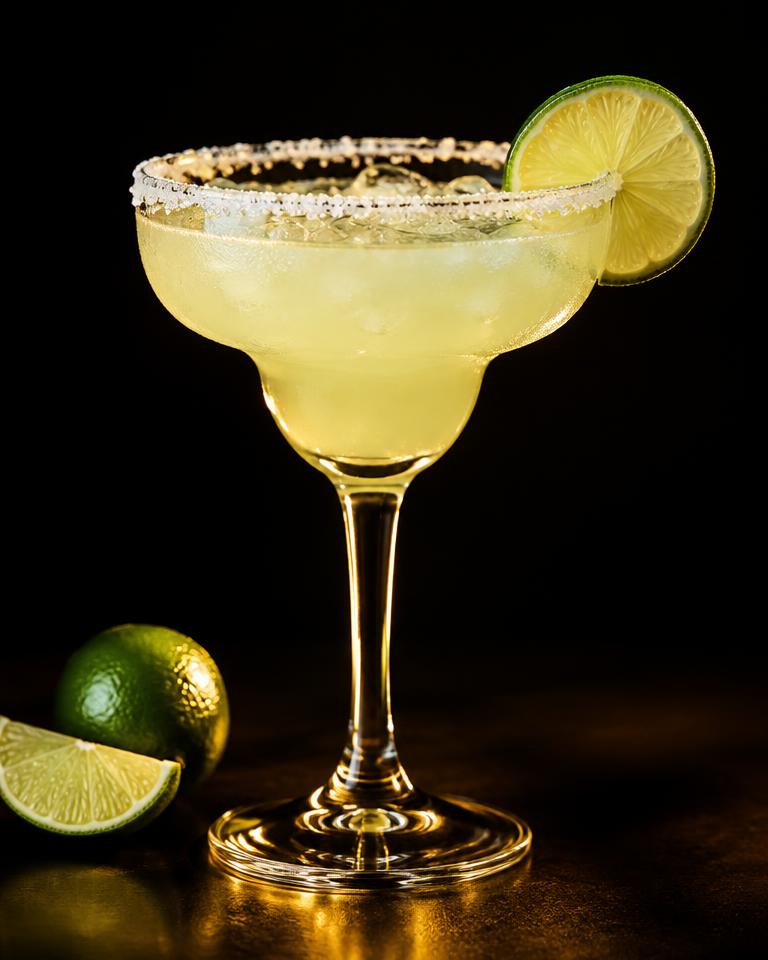 Tequila
Margarita
Tequila, orange liqueur and lime with a salted rim.