
Foundations of Spirits
History of Drinking Culture
From fermentation to trade, distillation and table culture: separating history from legend.
01
Fermentation and settled life
Fruit, grain and honey fermentation developed across societies at different times. Agriculture, vessels and storage enabled more regular production. There is no single inventor of all alcoholic drinks. Archaeological evidence should be distinguished from stories told later.
02
Mythology and social meaning
Drinks became associated with ritual, meals, hospitality or trade in some cultures and were prohibited or restricted in others. Mythology reveals cultural meaning rather than proving a scientific production history. One beverage can carry different symbolic values across societies.
03
Distillation, trade and local styles
The spread of distillation knowledge and trade networks allowed local materials to become distinctive spirits. Grain, grapes and sugar cane interacted with climate, taxes, storage and drinking habits. Modern category rules should not be treated as unchanged throughout history.
04
Reading sources
Classify origin claims as contemporary records, later accounts or popular legends. When history and brand stories disagree, state uncertainty rather than assign a definite inventor. MIXY history articles offer context without presenting drinking as a sign of health or success.
05
From production to trade: a changing drinking culture
Grain and fruit fermentation did not emerge as one identical recipe invented by a single civilization. Archaeological residues can establish production in a particular place and period, but cannot establish a taste identical to modern beer or wine. Agricultural crops, storage vessels and trade networks changed the ceremonial, nutritional and economic roles of drinks. Distillation created a separate market for concentrated, transportable products rather than replacing fermented beverages.
Trade in sugar, spices and citrus contributed to punch culture, while transported ice and mechanical refrigeration broadened access to cold mixed drinks. An account limited to famous inventors overlooks production workers and inequalities in colonial trade. Historical recipes require attention to contemporary measures, strength and availability. A current commercial brand is not automatically equivalent to the category used in an older recipe.
Related cocktails
Related cocktails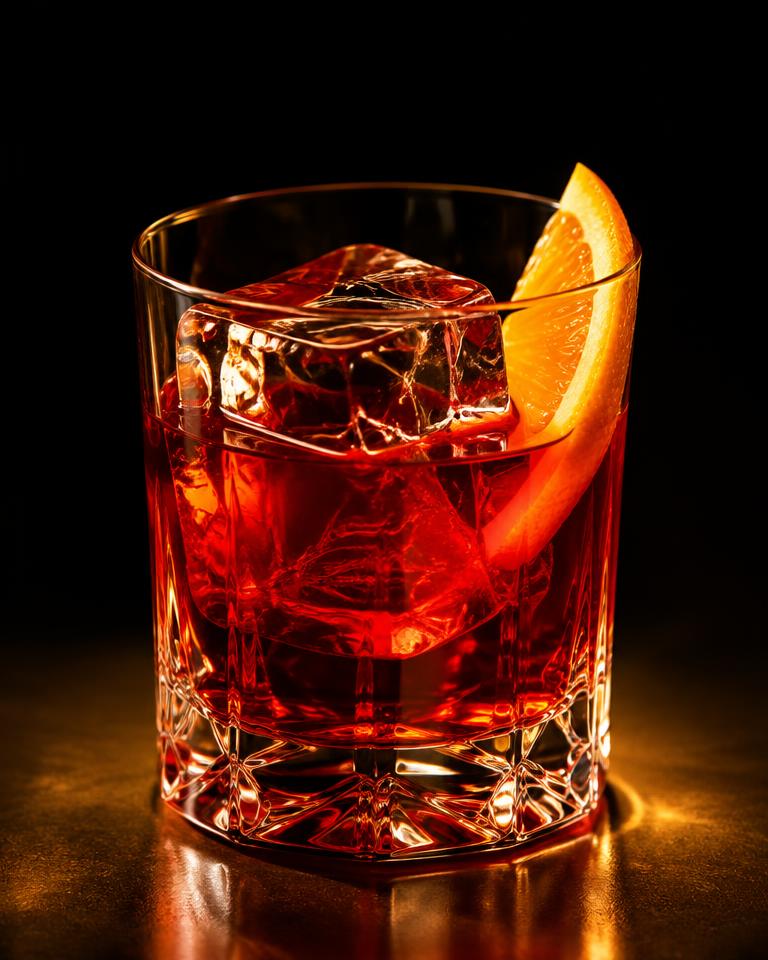 Gin
Negroni
Equal parts gin, Campari and sweet vermouth — bittersweet and assertive.
 Whiskey
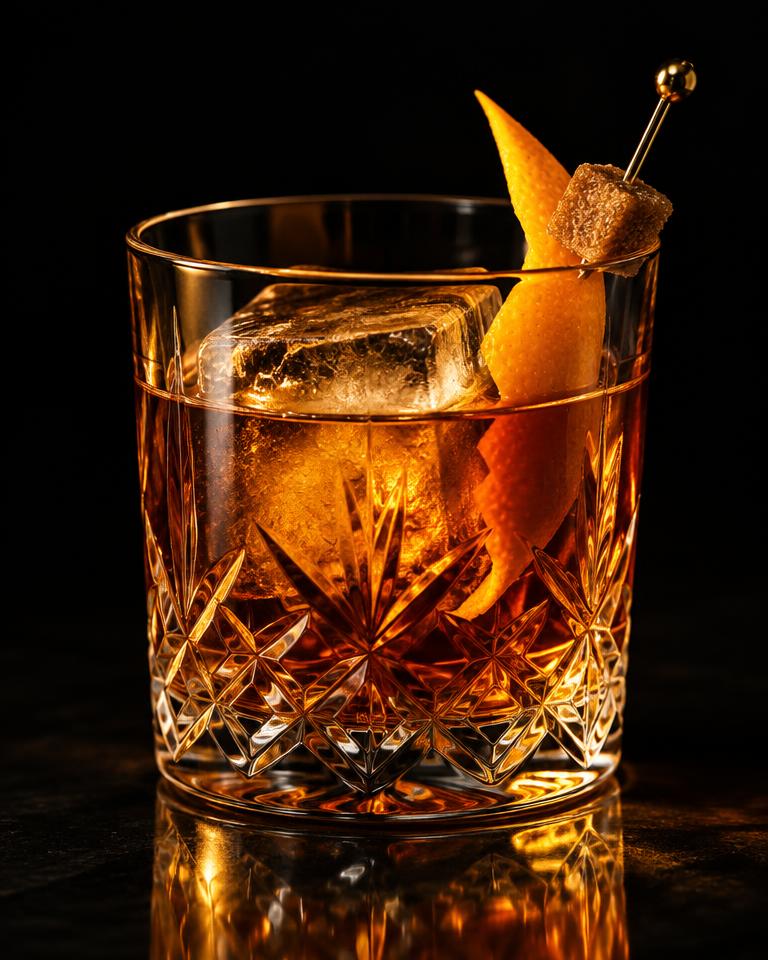
Old Fashioned
Whiskey, sugar, bitters and water — the original definition of a cocktail.
 Rum
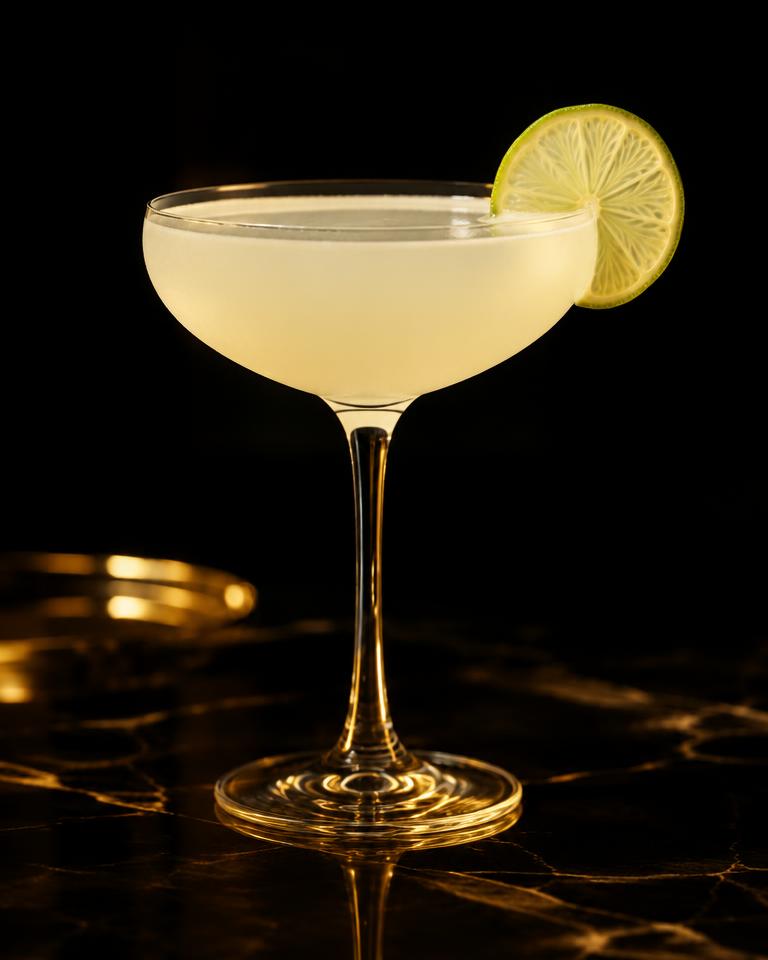
Daiquiri
White rum, lime and sugar — a bartender's benchmark of balance.
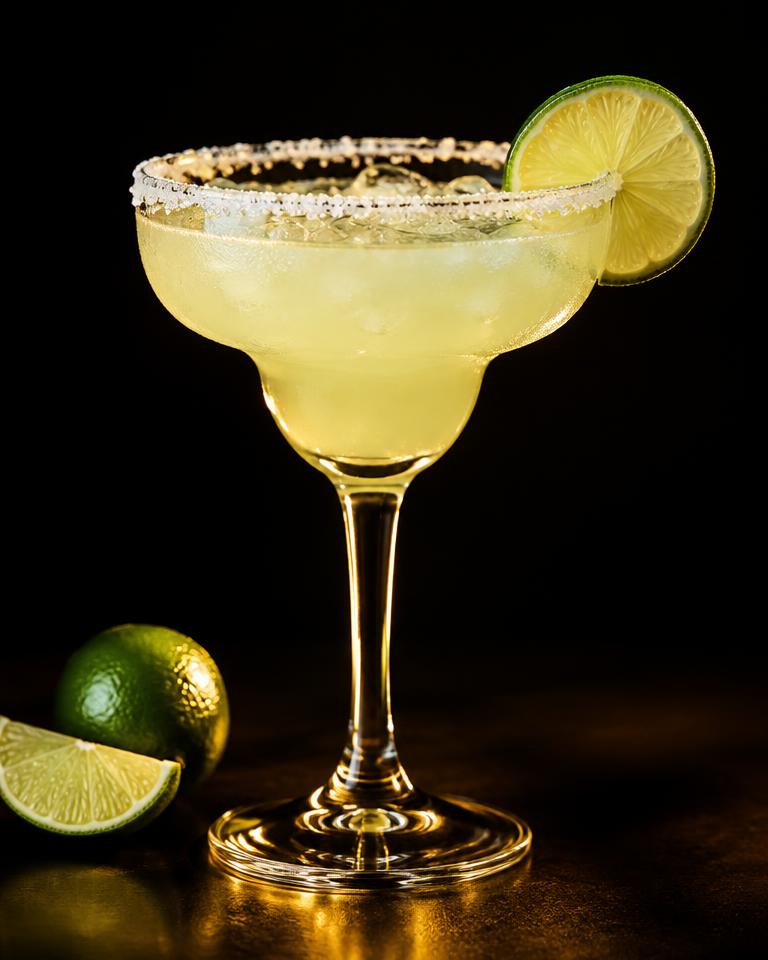 Tequila
Margarita
Tequila, orange liqueur and lime with a salted rim.